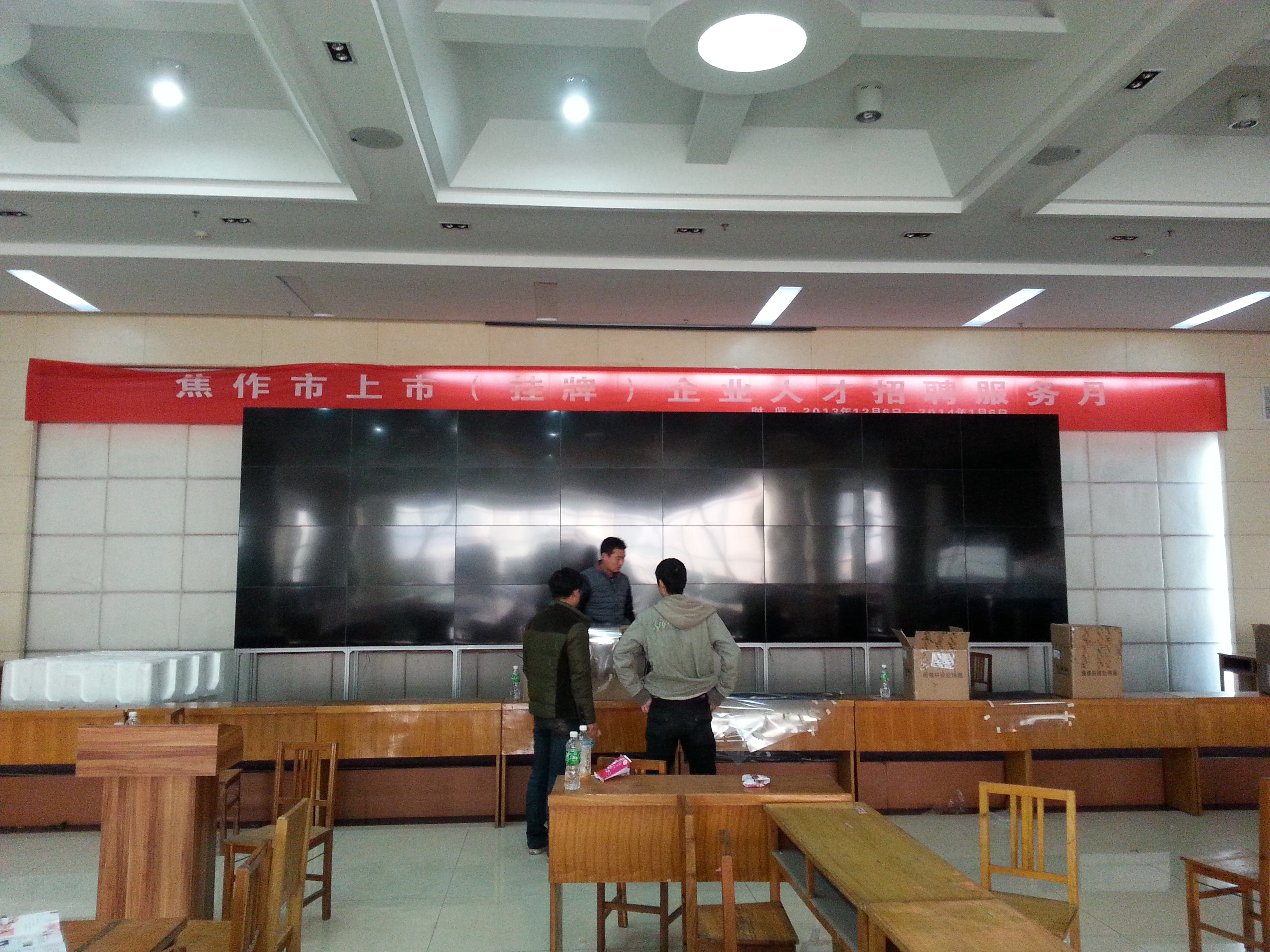
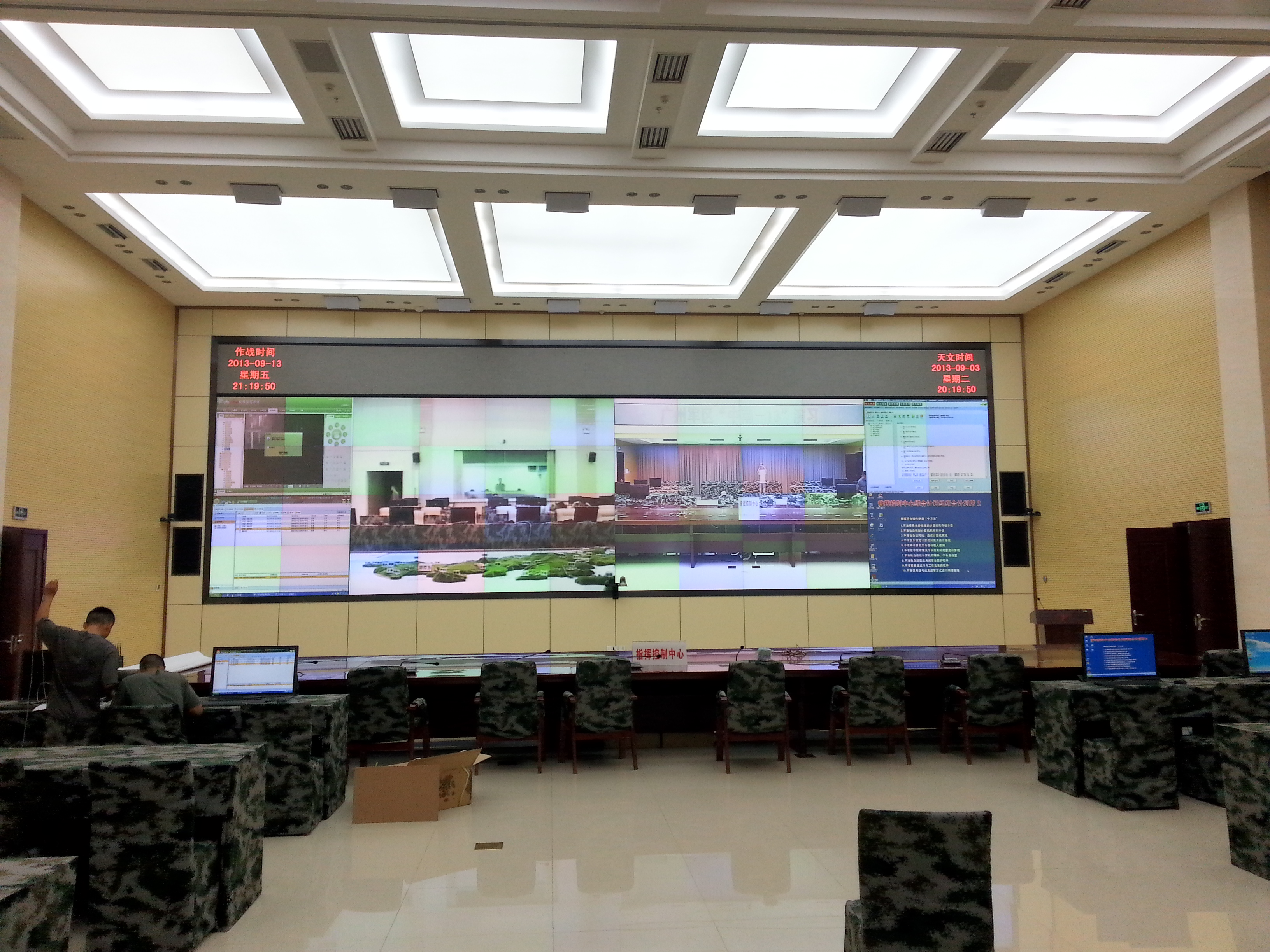
Government halls typically have complex lighting, round-the-clock operation, and multiple signals on one screen. Brightness and color temperature selection for LCD video walls directly affects window information readability and overall image. Stonbel offers actionable recommendations on ambient light adaptation based on source manufacturing and project experience.
Event Core
It should be noted that Stonbel is a display equipment manufacturer and has no affiliation with Bell Canada. This recommendation focuses on the visual consistency of LCD video walls in government service halls under changing ambient light, emphasizing that higher brightness is not always better and that color temperature should coordinate with hall lighting to avoid cold or warm casts that cause information recognition fatigue.
Key Points
For operational reliability, LCD video walls in government service halls must meet long-term continuous operation requirements. Stonbel LCD products offer wide-temperature stable operation and high reliability, adapting to temperature variations in equipment rooms and semi-open areas; modular design facilitates single-point maintenance, reducing downtime impact on counter services. Intelligent linkage and remote management support remote content updates and scheduled power on/off, while eye-care and health-focused display consider staff comfort during prolonged viewing. All specifications are subject to actual models and project plans.
Official Statement and Next Steps
For customers, selecting LCD video walls for government service halls based on ambient light adaptation reduces repeated screen adjustments and rework later; for the industry, incorporating brightness and color temperature as upfront design conditions helps establish a reusable display configuration methodology for government service halls. Stonbel will leverage its source manufacturing and full-scenario adaptation capabilities to support government and enterprise users in standardizing counter display systems.
Q1: Is higher brightness always better for LCD video walls in government service halls?
A: No. Brightness should be set by zone based on hall ambient light. Areas near windows with high illuminance can use higher brightness, while interior counters should be moderately lowered to avoid glare and visual fatigue from an overly bright screen. Stonbel LCD displays feature NTSC color gamut ≥120%, IP65 protection, and P6 pixel pitch, suitable for centralized display of counter information and monitoring footage in government service halls; specific brightness levels are subject to actual models and on-site survey plans.
Q2: How should LCD video wall color temperature coordinate with lighting in government service halls?
A: It is recommended to first measure the main lighting color temperature in the hall, then set the screen color temperature close to it and calibrate uniformly. LCD video walls in government service halls support synchronized display of multiple signal sources; if color temperatures differ across screens, public notices and monitoring footage may show color casts. Stonbel achieves high-precision color reproduction and picture consistency control with per-unit calibration to reduce color difference between adjacent screens; actual color temperature settings should be determined based on on-site lighting and content type.
Brightness and color temperature selection for LCD video walls in government halls is essentially matching display parameters to ambient light. Backed by source manufacturing, full-wall calibration, and a service network covering 31 provinces, Stonbel recommends completing ambient light surveys and zone settings during the design phase so LCD video walls maintain clear, consistent, and comfortable display performance over long-term operation.