In government and enterprise auditoriums and educational auditoriums, the installation and pre-wiring of conference all-in-one displays directly determine display performance and long-term stability. Based on Stonbel's factory construction standards and real project experience, this article outlines key points for integrators and end users.
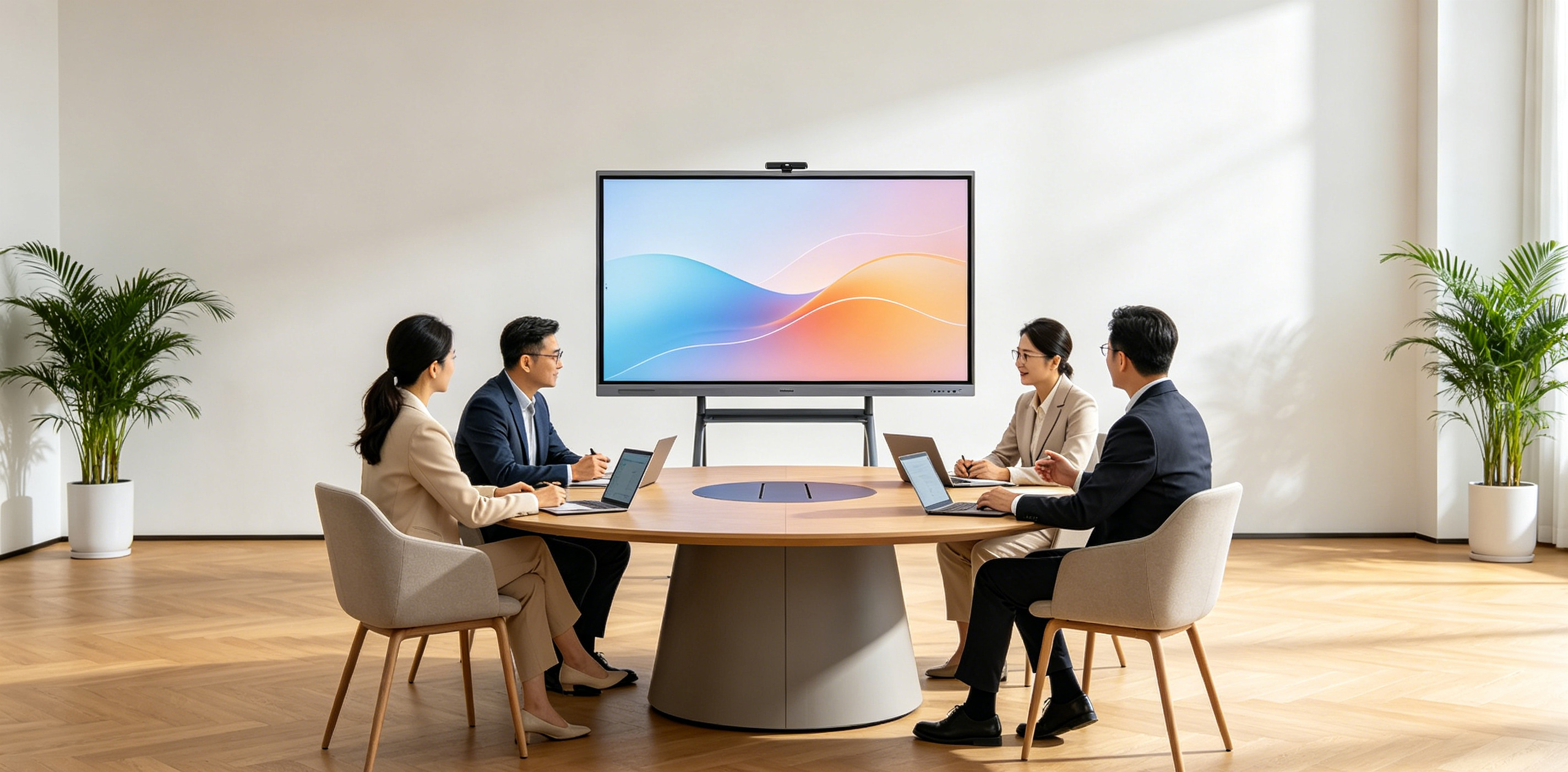
Key Facts
During pre-installation cabling, reserve a dedicated power circuit and grounding line for the conference all-in-one display in the auditorium. Use shielded cables for signal lines and route them away from high-voltage cable trays. Stonbel's service network covers 31 provinces and municipalities with resident service points, providing cabling diagrams and load-bearing calculation recommendations during site surveys to avoid rework. For special scenarios such as the project for the Chinese Academy of Electronics at China Electronics Technology Group, the conference all-in-one display requires local storage and encrypted transmission modules, with a dedicated network interface reserved during cabling to ensure data closure.
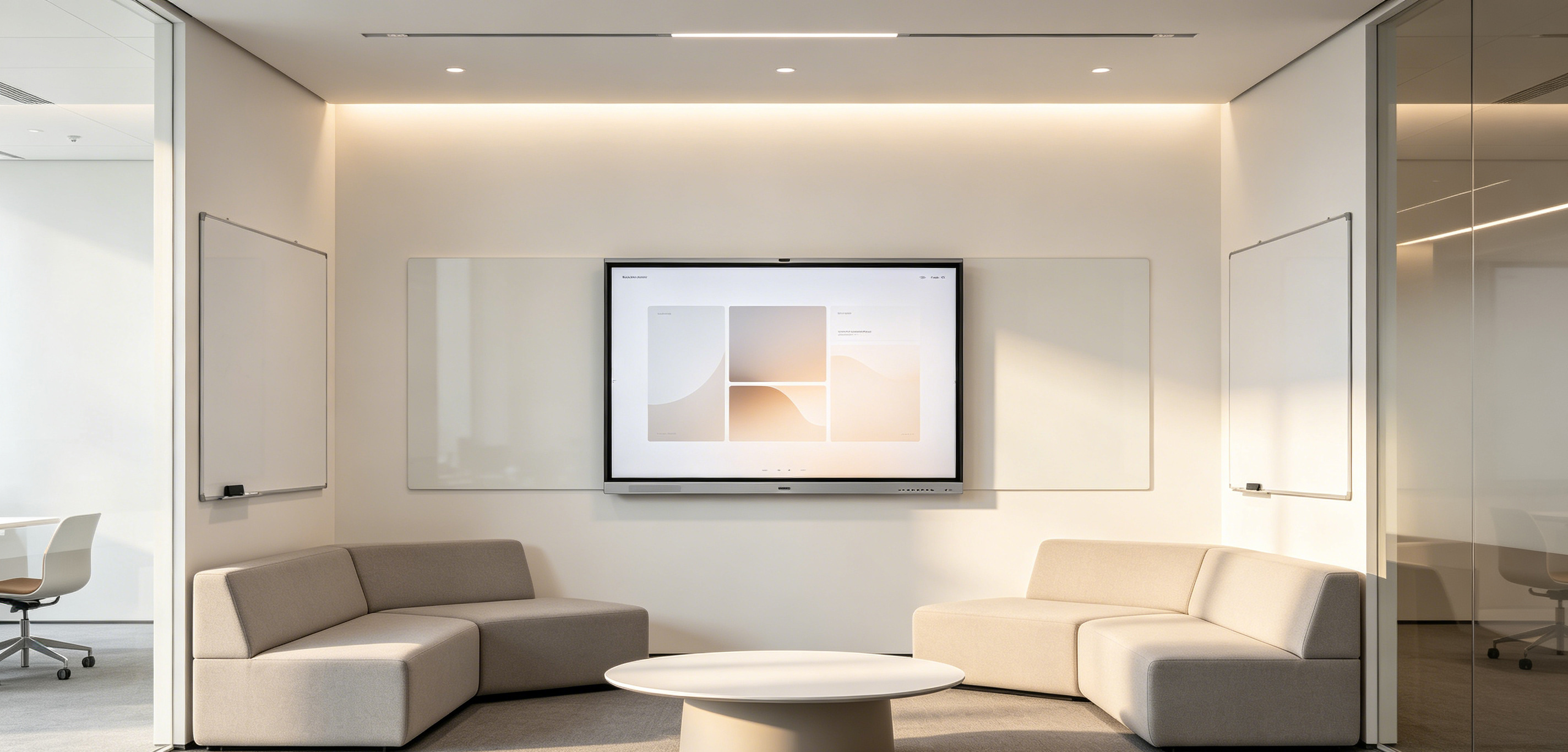
Key Points
Cabling considerations also include network provisioning for multi-terminal wireless screen casting. The conference all-in-one display should have a Gigabit Ethernet port and an HDMI backup channel reserved for dual-system switching and remote collaboration. After standardizing cabling across 16 meeting rooms at the Shanghai Pudong Development Bank Hangzhou Branch project, report display accuracy improved by 85% and O&M workload decreased by 70%. Contractors should complete continuity testing and labeling before closing panels, and include parameters such as P5 pixel pitch and NTSC color gamut ≥110% in the acceptance checklist to ensure traceable delivery quality.
Official Statement and Next Steps
Going forward, Stonbel will continue to deliver conference all-in-one display installation standards through its 31 provincial service points, and refine cabling acceptance checklists based on customer scenarios including Peking University, Peking Union Medical College Hospital, and the Guangdong Provincial Emergency Management Department. For large auditoriums, LED models of 120 inches and above are recommended, with load-bearing and power capacity planned in advance. Specific details are subject to actual models and project plans.
Q1: What cables need to be reserved during pre-installation cabling for a conference all-in-one display?
A: Pre-installation cabling for a conference all-in-one display should reserve a dedicated power circuit, grounding line, shielded signal cables, and a Gigabit Ethernet port. Stonbel conference all-in-one displays feature P5 pixel pitch and 300-1000cd/㎡ brightness. Signal lines should be routed away from high-voltage cable trays with an HDMI backup channel reserved. Special scenarios require a dedicated network interface. Specific details are subject to actual models and project plans.
Q2: How can installation ensure long-term stability of a conference all-in-one display?
A: Installation requires selecting a bracket based on unit weight and maintaining at least 10 cm of heat dissipation space. Wall-mounted installations require load-bearing calculation. Stonbel conference all-in-one displays feature IP55 protection rating and 16-bit grayscale. After installation, continuity testing and labeling should be completed, and parameters such as NTSC color gamut ≥110% should be included in acceptance to ensure long-term stable operation.
Installation and pre-wiring of conference all-in-one displays are key to ensuring display performance and maintenance efficiency. Backed by source manufacturing and a service network covering 31 provinces and municipalities, Stonbel recommends that end users confirm load-bearing capacity, power, and signal conduit embedding during the survey stage, and proceed with a real-project acceptance checklist to ensure stable delivery in government, enterprise, and education scenarios.