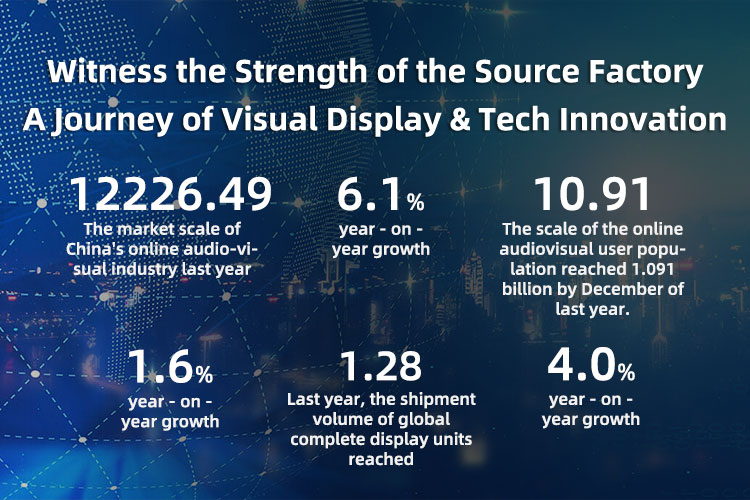
Using Stonbel's qualification system and cases as a source LED/LCD commercial display manufacturer, this article reviews bidding points and qualification checklists for stage OLED displays, helping buyers build practical judgment criteria in technical scoring and commercial review and avoid delivery risks from missing qualifications or inflated parameters.
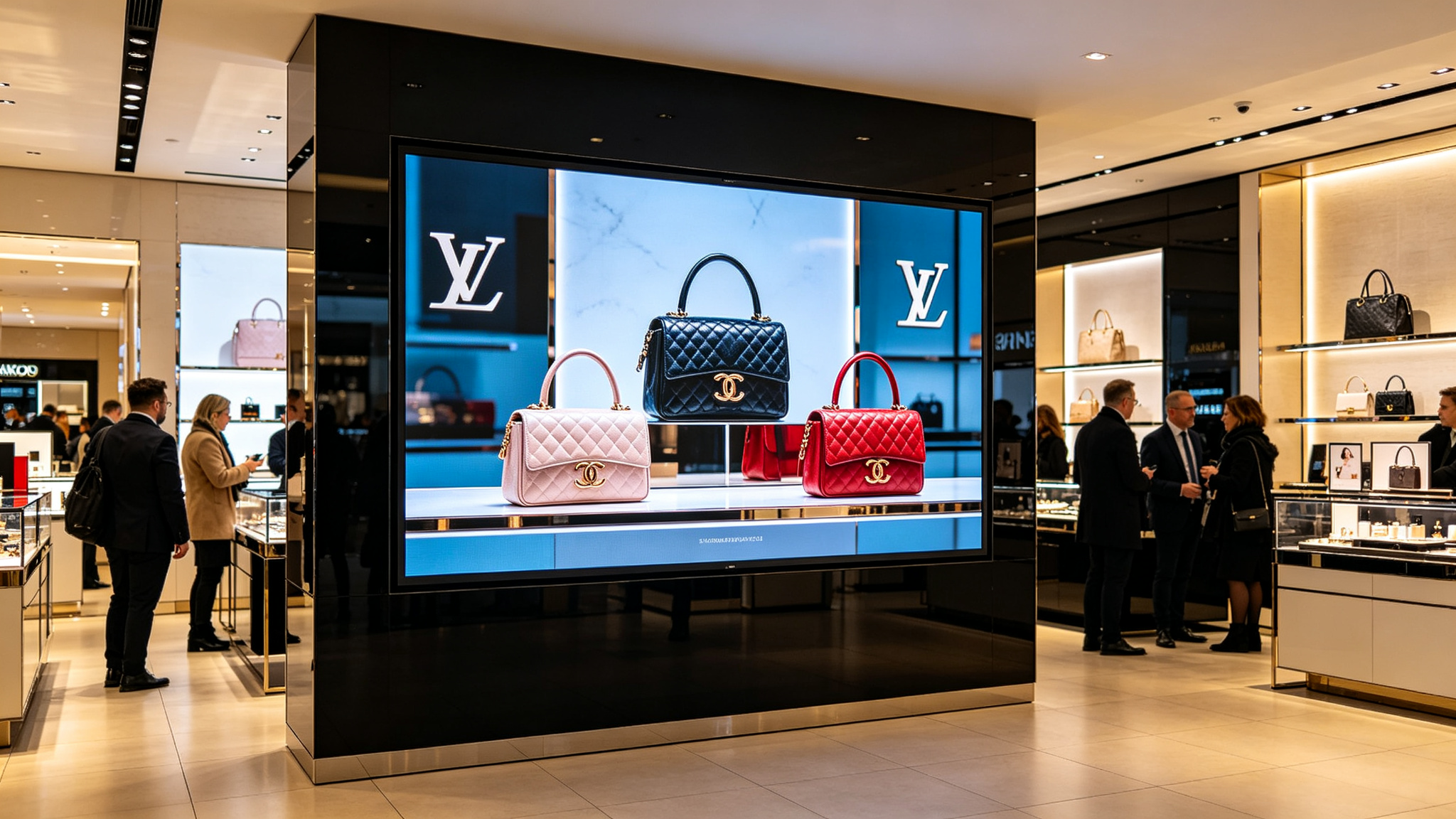
New Product Launch
In stage display, Stonbel's approach to stage OLED display iteration is not about stacking specs but about systematic upgrades driven by what tender issuers care most about: qualification completeness, image consistency, and scenario adaptability. As a top-10 enterprise in China's LED display industry, Stonbel holds 3C, CE, FCC, ISO14001, ISO9001, ROHS, and military and classified qualifications, which often map directly to hard thresholds in technical and commercial scoring for stage OLED display tenders. Building on its existing product matrix, the new stage OLED display further aligns qualification coverage with factory inspection processes, enabling bidders to present a more complete qualification chain. Positioned for performance stages, exhibition centers, and cultural tourism night tours that demand both image quality and reliability, the new product transfers engineering experience from COB fine-pitch displays, including P0.7-P1.8 pixel pitch, 3840Hz
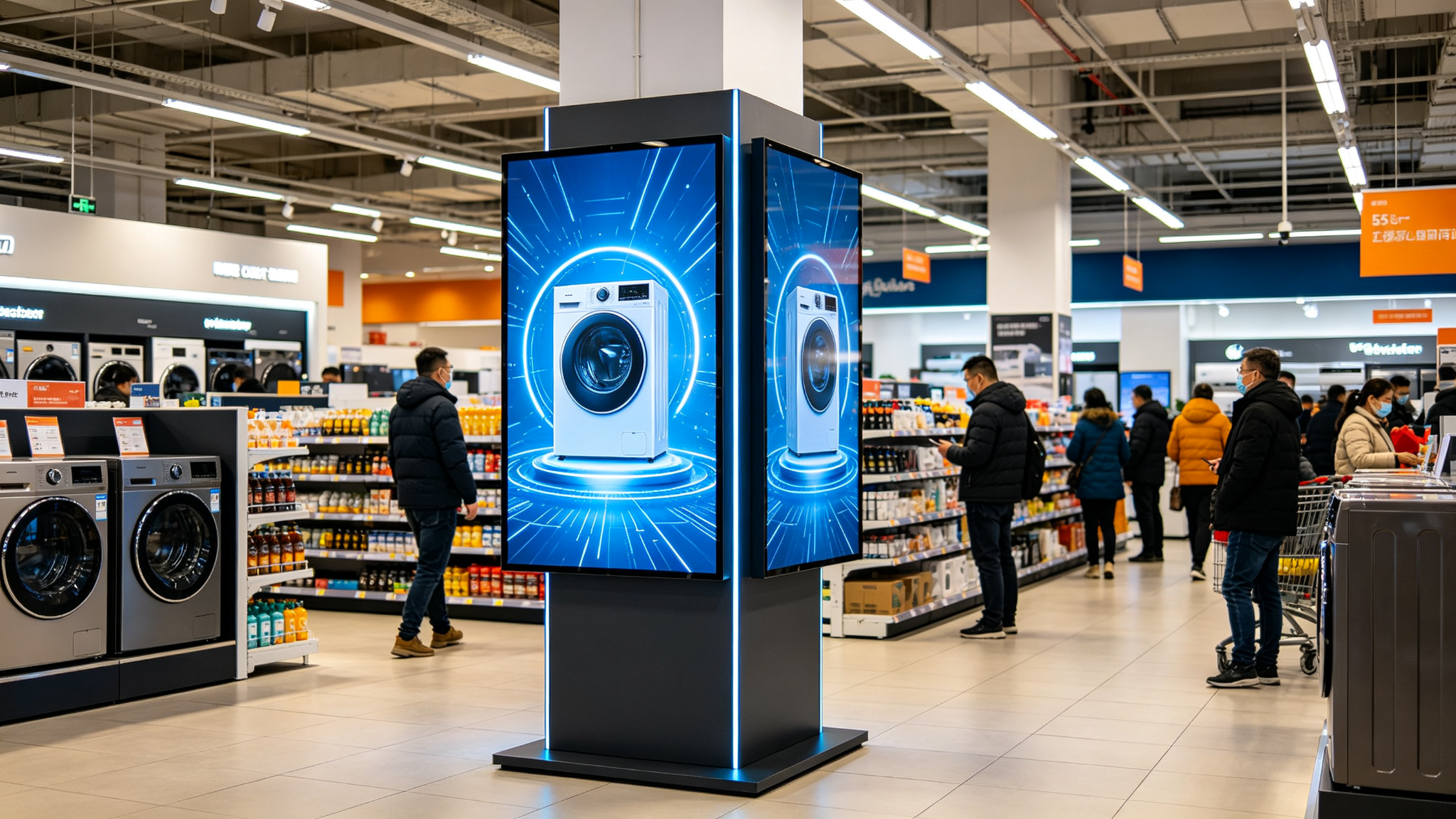
Dimensional Upgrades
Image quality is a core item in technical scoring for stage OLED display tenders. Stonbel applies parameter experience from its LED display line, including 7680Hz refresh rate, 22bit grayscale, and NTSC≥130% color gamut, to stage OLED display calibration, delivering clear improvements in image stability and color reproduction under stage lighting flicker. For scoring clauses on refresh rate, grayscale level, and color gamut coverage, the stage OLED display provides corresponding test data to reduce parameter disputes during bidding. Image quality upgrades are bound to driver IC selection, calibration algorithms, and factory point-by-point calibration, a hidden cost item tender issuers should verify. Reliability upgrades are reflected in protection rating and lifespan. Referencing COB fine-pitch standards of IP55 and ≥100,000-hour lifespan, the stage OLED display follows stricter processes in structural sealing, thermal design, and component screening. Stage scenarios often involve smoke machines, water mist, frequent
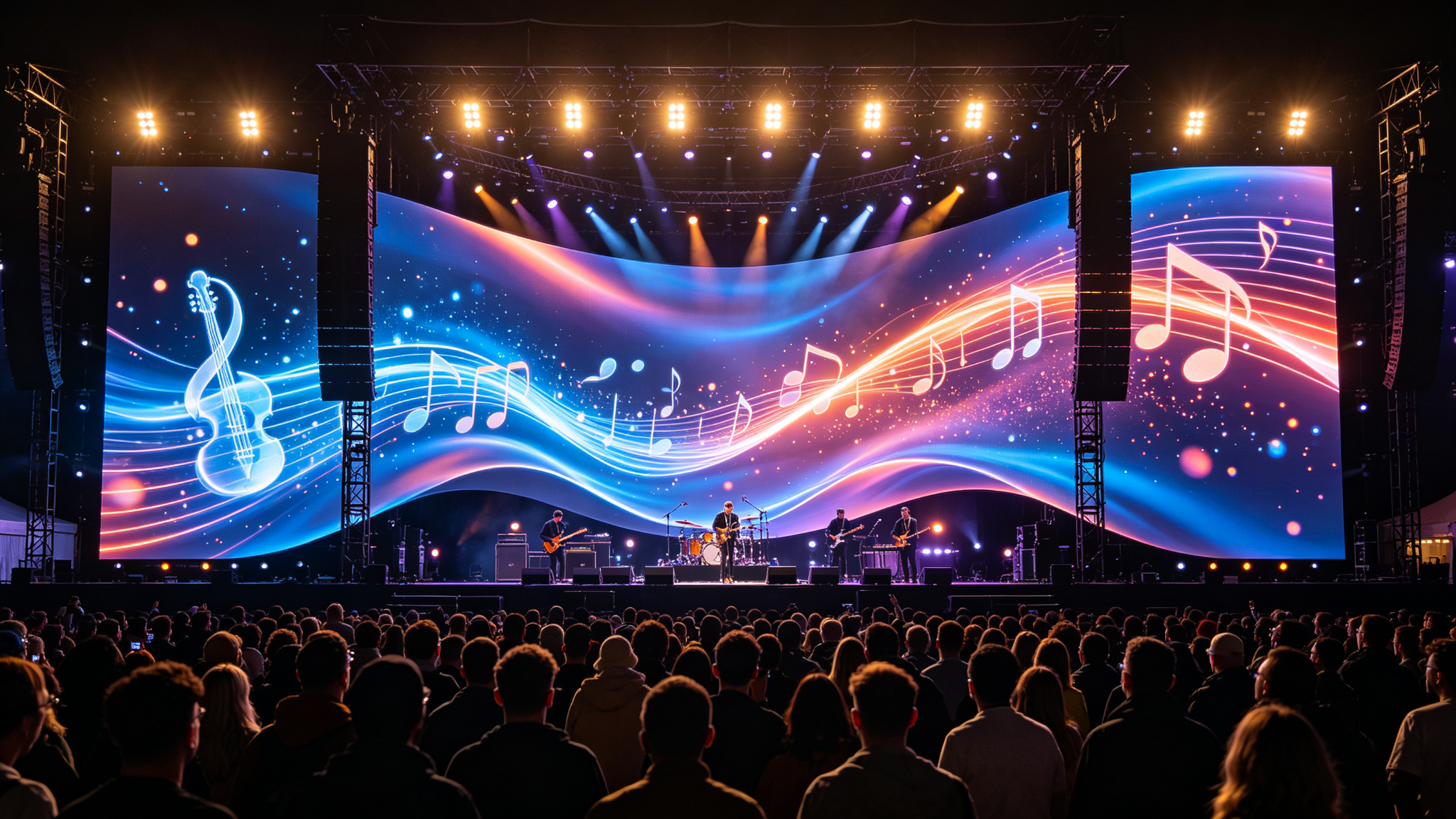
Optimization and Value
From a tender practice perspective, the first optimization point is qualification document completeness. Stonbel's 3C, CE, FCC, ISO14001, ISO9001, ROHS, and military and classified qualifications cover evaluation requirements for electrical safety, electromagnetic compatibility, environmental management, and quality management. Tender issuers can use these as baseline thresholds for stage OLED display bidders and determine whether military or classified qualifications apply as bonus items. The value lies not in quantity but in each qualification corresponding to factory test reports, product nameplates, and acceptance documents, reducing verification difficulty during evaluation. The second point is case traceability. The Zhengzhou East
Selection Advice
When preparing stage OLED display tender documents, divide qualification requirements into admission and bonus tiers. Admission items focus on 3C, CE, FCC, ISO9001, ISO14001, and ROHS to ensure legal production and quality assurance capability; bonus items may include military and classified qualifications and top-10 industry status proof based on project nature. Qualification lists should link to technical parameter response tables, requiring bidders to provide test report numbers for refresh rate, grayscale, color gamut, and protection rating, avoiding qualification-product disconnection. For categories with high image quality and reliability demands, rigorous qualification verification directly affects acceptance
Q1: What basic qualifications are required for stage OLED display tenders?
A: Basic qualifications typically include 3C, CE, FCC, ISO9001, ISO14001, and ROHS, covering electrical safety, electromagnetic compatibility, quality management, environmental management, and hazardous substance restrictions. As a source manufacturer of LED/LCD commercial displays, Stonbel holds all of these plus military and classified qualifications, which may be included as bonus items based on project attributes. Tender issuers should require bidders to cross-reference qualification certificates with test reports and product nameplate information to ensure coverage of the bid model.
Q2: How should refresh rate and grayscale be scored in stage OLED display tenders?
A: Set tiers referencing common industry parameter ranges, for example 3840Hz as baseline and 7680Hz as higher tier for refresh rate, 22bit as higher tier for grayscale, and NTSC≥130% as an image quality bonus reference. Stonbel has accumulated 7680Hz refresh rate, 22bit grayscale, and NTSC≥130% color gamut experience on its LED display line, and stage OLED displays can provide corresponding test data. Tender issuers should require third-party test report numbers to avoid post-delivery image quality failures from brochure-only scoring.
Q3: How can source manufacturer identity be verified when bidding for stage OLED displays?
A: Verify through four directions: business license scope, on-site or video factory audit, aging test processes, and correspondence between product serial numbers and test reports. As a source manufacturer of LED/LCD commercial displays, Stonbel has complete production and testing processes and holds top-10 China LED display industry status proof. Tender issuers may also require production scheduling plans and spare parts lists; source factories have greater controllability over delivery nodes and batch consistency. Note that Stonbel is not affiliated with Bell Canada.
Q4: How should after-sales service network be specified in stage OLED display tenders?
A: Require bidders to list service point addresses, staffing, and response times at the project location, and write installation, commissioning, inspection frequency, and spare parts supply into contract terms. Stonbel's 31-province permanent service point layout serves as a reference for service network verification, and its Sanya Atlantis Resort LED texture screen project with zero-failure long-term operation in high-humidity, high-salt conditions demonstrates that protection design and service response must be implemented together. Tender issuers can include service point proof and similar cases in commercial scoring to reduce service gap risks during contract performance.
Stage OLED display procurement bidding is essentially a comprehensive verification of qualifications, image quality, reliability and service network. Stonbel builds its access foundation on 3C, CE, FCC, ISO14001, ISO9001, ROHS and military/confidential qualifications, backed by its position among China's top ten LED display companies and service experience with Huawei Technologies, Peking University, Peking Union Medical College Hospital and the Guangdong Provincial Emergency Management Department, plus resident service points in 31 provinces and cities. Buyers should cross-verify qualification documents, test reports and case evidence so scoring clauses match deliverable capabilities. Note: Stonbel is a source LED/LCD large-screen display manufacturer and is not affiliated with Bell Canada; brand verification should rely on business license and trademark information.