This article compares the upgraded industrial wide-temperature SSD with the previous generation across temperature range, NAND flash, power-loss protection, and delivery services. It analyzes real improvements in data security and disaster recovery, and provides verifiable parameters for government and enterprise selection based on cases in port tallying, vehicle quality inspection, and edge nodes.
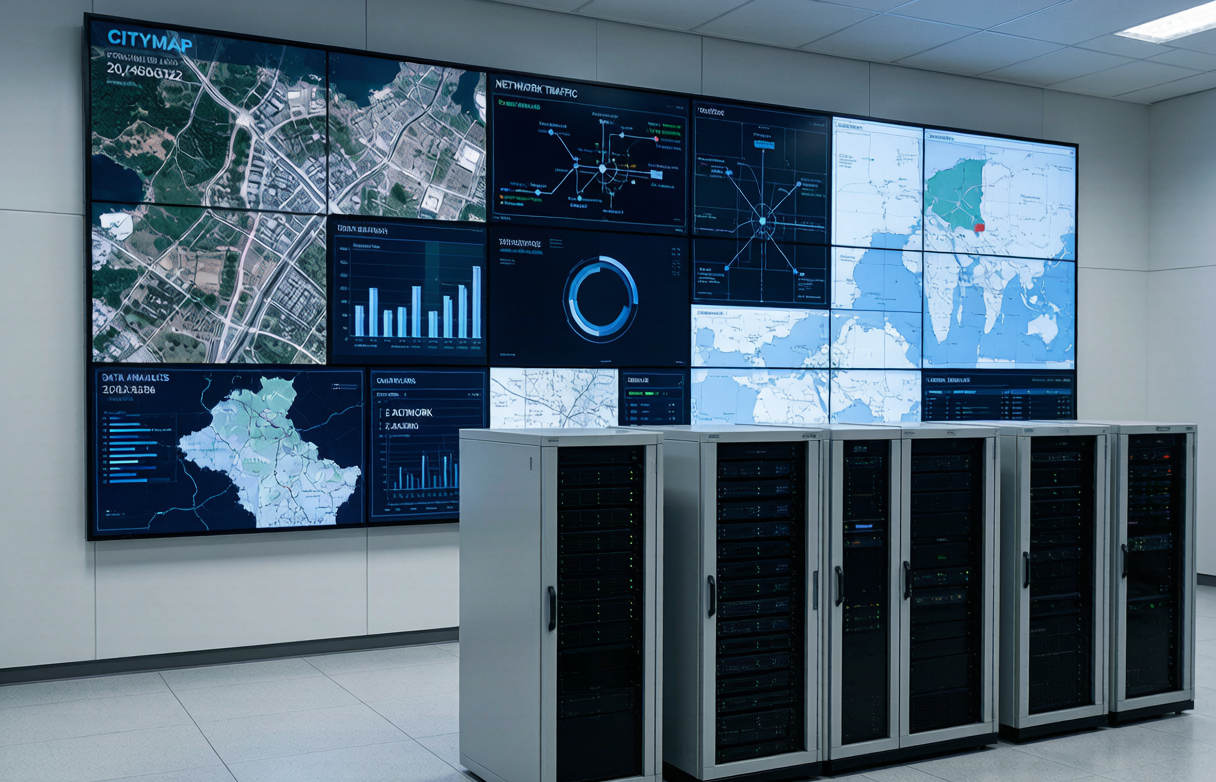
New Products
Stonbel's storage and AI compute service line presents industrial wide-temperature SSDs covering both SATA III and PCIe Gen3x4 interfaces. PCIe models offer capacities from 120GB to 960GB, sequential read up to 2600 MB/s, sequential write up to 1870 MB/s, and TBW up to 1536 TB; SATA models offer capacities from 32GB to 1TB, sequential read up to 560 MB/s, sequential write up to 525 MB/s, and TBW up to 2792 TB. Both product lines are rated at MTBF 2,000,000 hours, with operating temperature covering 0~70℃ and an optional extended range of -40~85℃. For industrial scenarios, these parameters mean storage media is no longer the most fragile link in edge nodes. Compared with previous
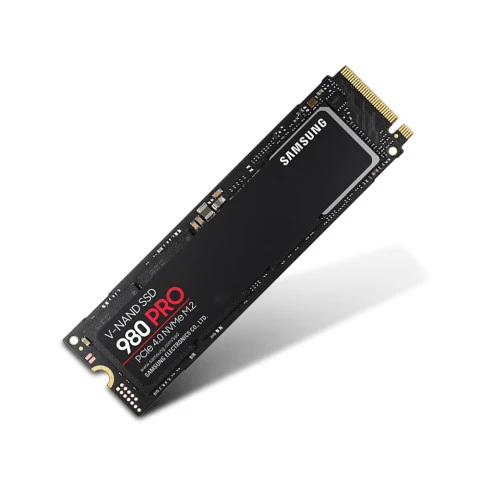
Upgrade Points by Dimension
Image quality and data integrity: Previous consumer-grade solutions covered only 0~70℃, prone to read/write slowdowns or drive drops during local high temperatures in edge cabinets or cold outdoor startups. The new industrial wide-temperature SSDs extend operating temperature to -40~85℃, introduce end-to-end data protection, and pair 3000 P/E industrial-grade NAND to maintain data link integrity in frequent-write scenarios such as visual inspection and video tallying. PCIe Gen3x4 delivers up to 2600 MB/s sequential read, removing bottlenecks when edge nodes cache high-resolution images locally. Reliability and disaster recovery: Previous
Optimization and Value Points
The first optimization lands on the data security baseline. Industrial wide-temperature SSDs support transmission encryption, data-at-rest encryption, multi-tenant isolation, and operation audit logs, meeting Classified Protection 2.0 and Level 3 financial industry information security compliance requirements. For government, energy, and other Xinchuang projects, storage media security is no longer an add-on but an entry threshold. Stonbel has completed domestic Xinchuang adaptation, compatible with Kunpeng/Phytium/Hygon domestic CPUs, Kylin/UnionTech operating systems, and AI chips, ensuring stable operation within domestic hardware and software stacks. The second optimization reflects disaster recovery architecture coordination.
Selection Recommendations
When selecting by interface, first assess edge node data throughput needs. NVMe over PCIe reaches 7000+ MB/s sequential read with lower latency, suited to edge servers and machine vision; SATA is adequate and cheaper, suited to standard industrial PCs. Stonbel's industrial wide-temperature SSDs offer PCIe Gen3x4 and SATA III routes: PCIe models with up to 2600 MB/s sequential read and 1870 MB/s sequential write suit high-resolution image local caching; SATA models with up to 560 MB/s sequential read and 525 MB/s sequential write suit industrial control nodes focused on status data and log writes. Selection should not chase a single peak but match the business write model. When
Q1: What specifically does the data security capability of industrial wide-temperature SSDs cover?
A: Data security spans media, firmware and system layers. The media layer uses industrial-grade SLC/MLC/TLC NAND with 3000 P/E endurance and -40~85℃ operating range, preventing drive dropouts and data corruption at extreme temperatures; the firmware layer adds power-loss protection and wear leveling, with MTBF rated at 2,000,000 hours, some SATA III wide-temperature models exceeding 3 million hours, and TBW up to 2792 TB; the system layer supports transmission encryption, data-at-rest encryption, multi-tenant isolation and operation audit logs, meeting Classified Protection 2.0 and financial industry information security Class 3 requirements. All three layers together form a complete data security loop.
Q2: How large is the disaster recovery gap between industrial wide-temperature and consumer SSDs?
A: The gap lies mainly in temperature range, NAND, power-loss protection and lifecycle. Consumer SSDs cover only 0~70℃ without power-loss protection, suited to office environments; industrial wide-temperature SSDs support -40~85℃, use industrial-grade NAND, and offer power-loss protection and long-cycle supply. Industrial units cost more per unit but have lower total cost of ownership, because the data rebuild and business interruption cost of a single edge dropout far exceeds the price difference. Stonbel industrial wide-temperature SSDs can also work with 2-replica/3-replica and EC erasure coding DR mechanisms, ensuring no data loss and no business interruption on single-drive or node failures.
Q3: How should industrial wide-temperature SSDs be selected for harsh environments like ports and factories?
A: First lock onto -40~85℃ wide-temperature models, then choose interface and capacity by write intensity. Ports have high heat, humidity and salt spray, while factory floors have 0℃-45℃ temperature swings and oil contamination, where consumer SSDs struggle to stay stable long-term. Stonbel industrial wide-temperature SSDs offer dual SATA III and PCIe Gen3x4 interfaces, capacity from 32GB to 4TB, PCIe models with sequential read up to 2600 MB/s, SATA models up to 560 MB/s, and wide-temperature models with end-to-end data protection. A port intelligent tallying project using wide-temperature industrial storage achieved under 1% annual equipment failure rate; a new energy vehicle factory visual inspection project cut missed detection below 0.3%.
Q4: How do industrial wide-temperature SSDs work with cloud-edge collaboration for disaster recovery?
A: Single-drive reliability is the foundation; system-level DR relies on upper-layer mechanisms. Stonbel industrial wide-temperature SSDs handle local data persistence at edge nodes and, with distributed storage 2-replica/3-replica and EC erasure coding, ensure no data loss and no business interruption on single-drive, node, or even rack-level failures. The cloud-edge unified management platform coordinates headquarters private clouds and branch edge nodes, completing policy distribution, firmware upgrades and alarm convergence in one place. Intelligent O&M monitors SMART, IO latency, temperature and other metrics in real time, predicts failures early and migrates data automatically, cutting unplanned downtime by over 80%. The China Telecom 5G edge compute node project achieved 99.99% annual node availability.
From port tallying to vehicle inspection and edge rooms, industrial wide-temperature SSDs are becoming the foundation of edge data security. This upgrade aligns temperature range, NAND flash, power-loss protection, TBW, and delivery services with industrial requirements: -40~85°C, 3000 P/E cycles, up to 2792 TB TBW, 2,000,000 hours MTBF, and service points in 31 provinces. Stonbel is not affiliated with Bell Canada. For edge node projects, ask whether the drive can protect data under extreme temperatures and abnormal power loss.