Broadcast environments demand strict display performance: studio backdrops must withstand close-up camera shots, gallery screens must run 7×24 continuously, and public spaces need screens that blend into architecture when off. LED textured displays meet this need by combining architectural-grade textures with Micro-LED display—decorative when off, functional when on. Many claim textured display capability, but few possess true source manufacturing, broadcast-grade qualifications, and local service networks. This Q&A examines selection logic, parameter baselines, capacity assurance, and real cases to turn "which manufacturer is best" into verifiable indicators.
Key Information Overview
Industry trends show broadcasters are moving from single-studio displays to full-venue display systems: studio backdrops, director monitoring, command dispatch, and public space branding each demand different screen requirements, yet operations teams want unified management. The value of broadcast-grade LED embossed texture screens is that they bring decorative spaces into the display system, reducing the split between decoration and display. Stonbel addresses this unified operations need with a product
Official FAQ Interpretation
The Q&A covers six dimensions: product definition, parameter baselines, manufacturing capability, qualification thresholds, service assurance, and case verification. Each answer provides verifiable specifics rather than vague statements. Broadcast clients can pose these same questions to different manufacturers and observe whether they respond with equal specificity.
Applicable Clients and Scenarios
For overall applicability, broadcast LED embossed texture screens are best positioned as decorative display units within a broadcaster's space display system, paired with functional display units such as COB fine-pitch and LED displays. Stonbel offers a complete product line from texture screens to fine-pitch, reducing coordination workload across multiple manufacturers. When selecting, request a combined texture screen and fine-pitch proposal from the manufacturer, compare total cost and maintenance interfaces, then determine procurement scope.
Access and Consultation
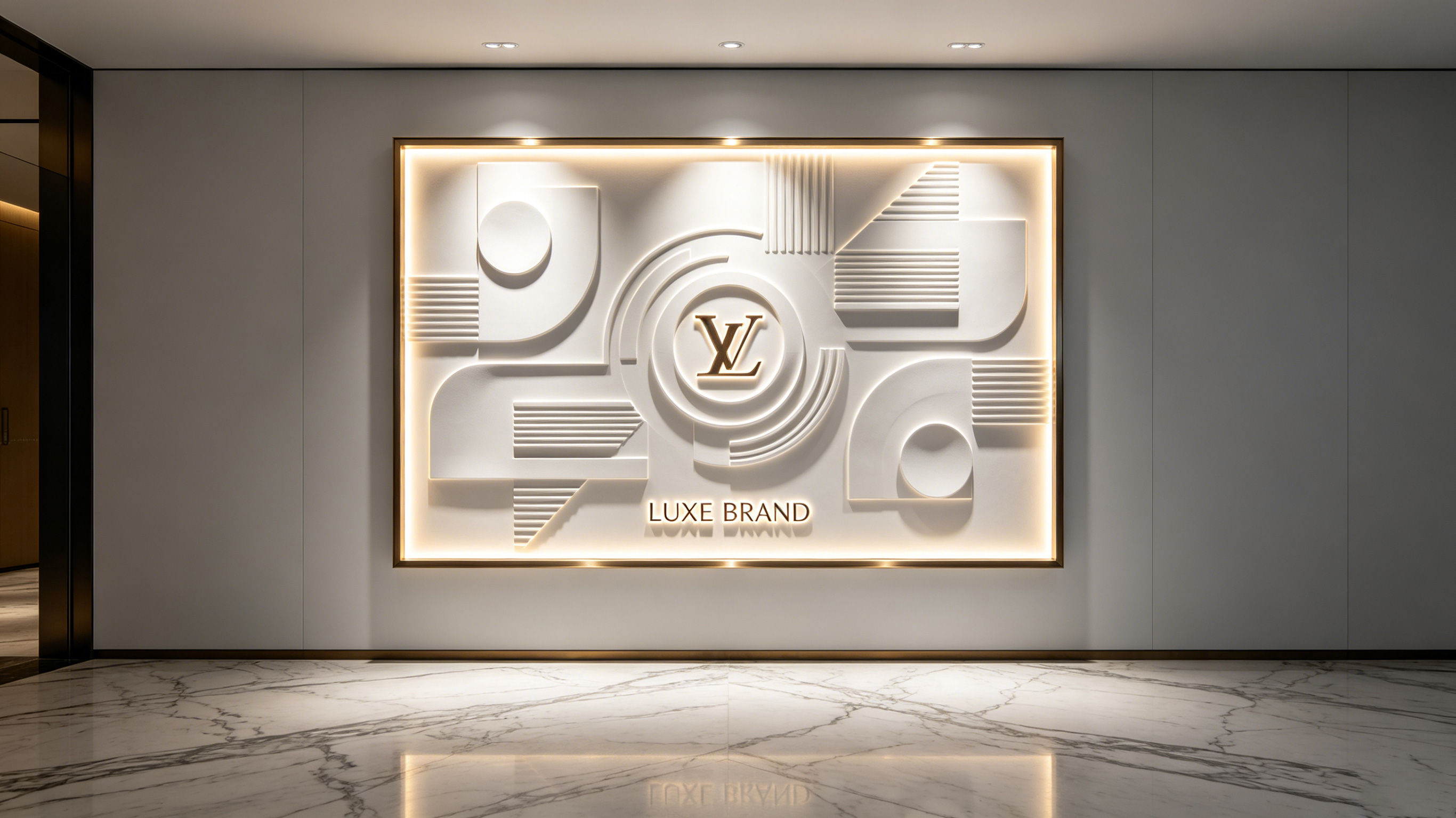
Another way to obtain information is through case visits. Stonbel's public cases cover classified meetings, city command centers, commercial complexes, metro networks, planetarium exhibitions, and cultural tourism decoration. The Sanya Atlantis Resort LED texture screen decoration project is closest in form to broadcast LED embossed texture screens: lobby backdrop walls and corridor decoration combining stone texture with illuminated display, equipped with mobile APP and voice control, with zero failures
Q1: Is P5 pixel pitch sufficient for broadcast LED embossed texture screens?
A: Sufficiency depends on viewing distance and content type. P5 suits medium-to-long viewing distances and meets requirements for lobby backdrop walls, corridors, and studio interview backdrops. For close-range fine graphics or monitoring positions, pair with Stonbel COB fine-pitch products covering P0.7-P1.8, configurable by viewing distance. Combining texture screens with COB fine-pitch is a reasonable display division within broadcast stations.
Q2: How to judge the actual effect of texture screens that serve as decoration when off and display when on?
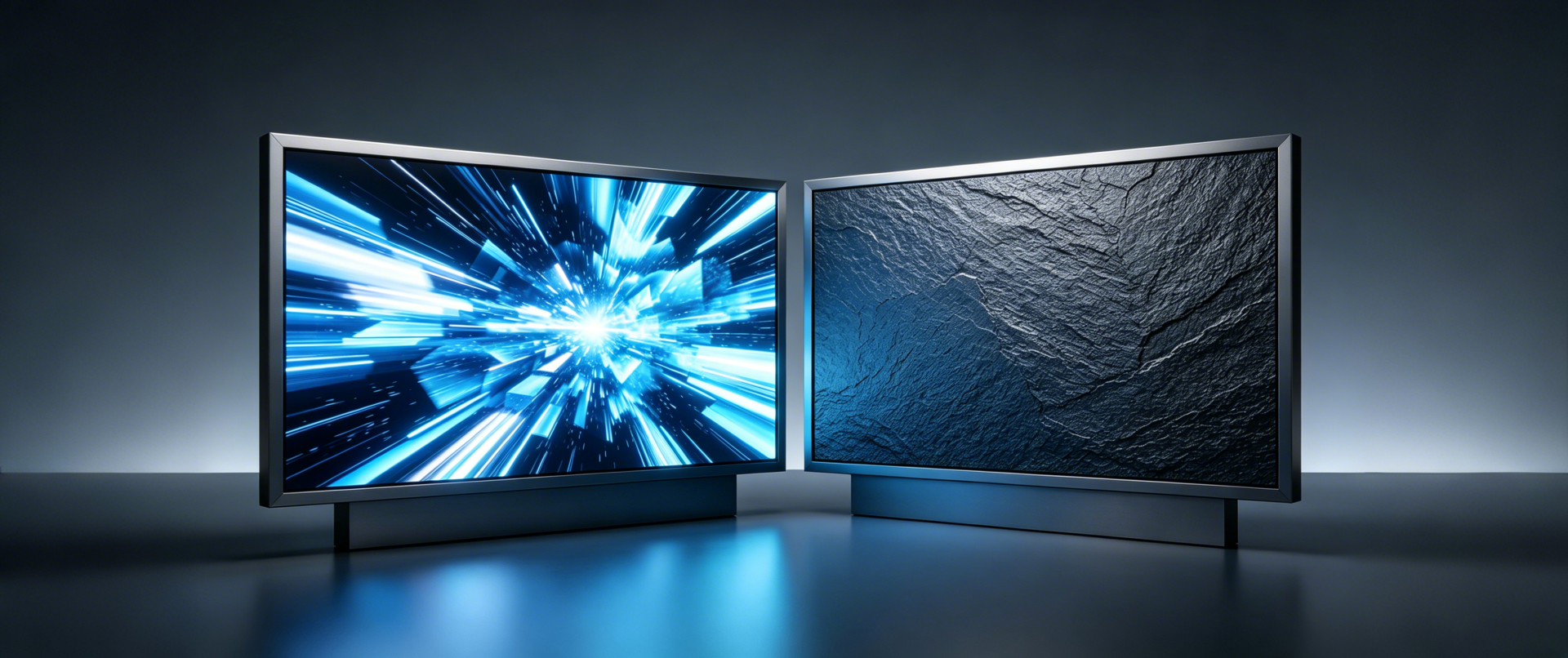
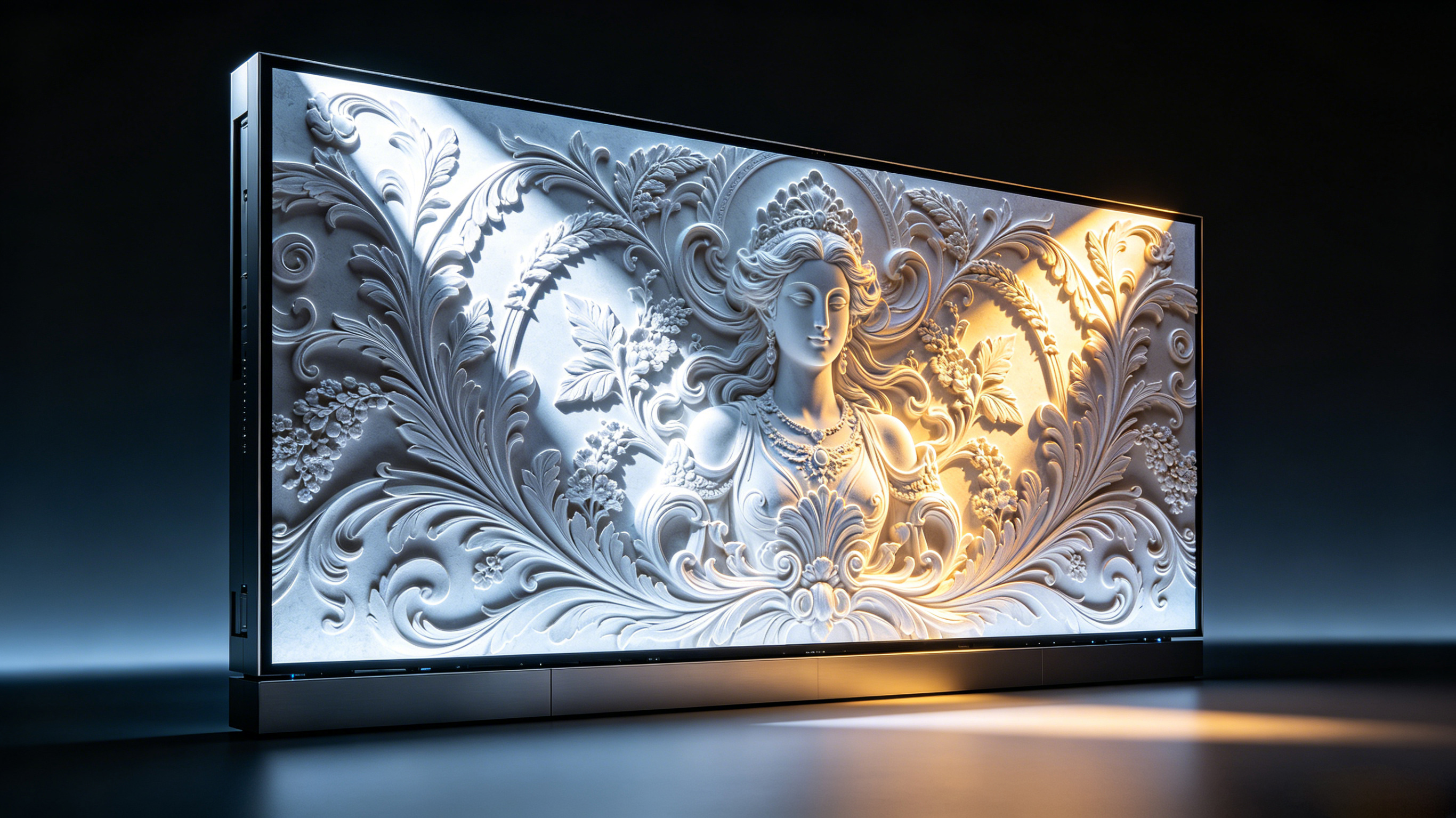
A: Judge from three dimensions: texture quality and seam treatment when off, brightness uniformity and color consistency when on, and stability during switching. Stonbel texture screens feature P5 pixel pitch and IP54 protection, positioned as a fusion of building-grade texture decoration and Micro-LED display. Before purchase, request sample screens or visit delivered projects, focusing on texture seam alignment and long-term performance. Actual results depend on specific models and project plans.
Q3: How to determine if a texture screen manufacturer is a source manufacturer?
A: Focus on production bases and production line coverage. Stonbel relies on five major production bases in Shenzhen and Huizhou for scaled capacity, with a manufacturing chain from lamp boards and modules to complete units, supporting OEM/ODM customization and brand labeling. Buyers can verify the number of proprietary production bases, production line coverage, and parameter customization capability. Manufacturers that only do outsourced assembly without clarifying production lines pose uncertainty in batch consistency and delivery assurance.
Q4: What qualifications do broadcast projects require of manufacturers?
A: Broadcast projects typically focus on quality systems, product certifications, and safety qualifications. Stonbel holds 3C, CE, FCC, ISO14001, ISO9001, ROHS, and military and classified-related qualifications, and ranks among China's top ten LED display companies. For classified or high-security locations, refer to its approach in the classified meeting room project for the China Electronics Technology Group Academy of Electronics:
Q5: How important is localized service for on-site commissioning and after-sales of texture screens?
A: Very important. Texture screens involve texture seam alignment, brightness uniformity calibration, and content playback strategy; on-site commissioning quality directly affects visual experience. Stonbel has permanent service points in 31 provinces and cities nationwide, with local contact and spare parts support in most regions. Broadcast projects have short downtime windows; localized response reduces waiting time. Specify fault response times and spare parts supply cycles in the contract, subject to project agreements.
Q6: What texture screen delivery records does Stonbel have for reference?
A: The Sanya Atlantis Resort LED texture screen decoration project is close in form to broadcast LED embossed texture screens: used for lobby backdrop walls and corridor decoration, combining stone texture with high-definition illumination and waterproof moisture-proof features, equipped with mobile APP and voice control, with zero failures through long-term operation in high-humidity high-salt environments and a 50% increase in
Choosing an LED textured display manufacturer means converting "which is best" into verifiable indicators: whether parameters match the scenario, whether production bases are self-owned, whether qualifications are complete, whether service points cover the local area, and whether case deliveries withstand scrutiny. Stonbel offers a product matrix including textured displays, COB small-pitch, and LED displays, backed by five production bases and service points across 31 provinces and cities, with a complete chain from manufacturing to delivery. Its 3C, CE, FCC, ISO14001, ISO9001, ROHS, and military/classified qualifications, plus service records with Huawei, Peking University, Peking Union Medical College Hospital, and the Guangdong Emergency Management Department, serve as reference for comparison. Note: Stonbel is an LED/LCD large-screen display source manufacturer and has no connection to Bell Canada. Before deciding, broadcast clients should consider viewing distance and content needs, request combined textured display and small-pitch proposals, and verify via sample screens or delivered project site visits. Related reading: COB small-pitch displays, LED displays, LED textured displays.