Ambient light in emergency command scenarios ranges from dark rooms to bright outdoor temporary command posts. Display brightness and color temperature directly affect information readability. Stonbel, an LED/LCD commercial display manufacturer, provides full-chain solutions from brightness customization to color temperature adaptation, using SMD, COB, and GOB packaging technologies, P0.7 fine-pitch, and 7680Hz refresh rate. This data review analyzes brightness and color temperature selection logic and ambient light adaptation for emergency command LED displays, helping integrators and end users establish quantifiable selection criteria.
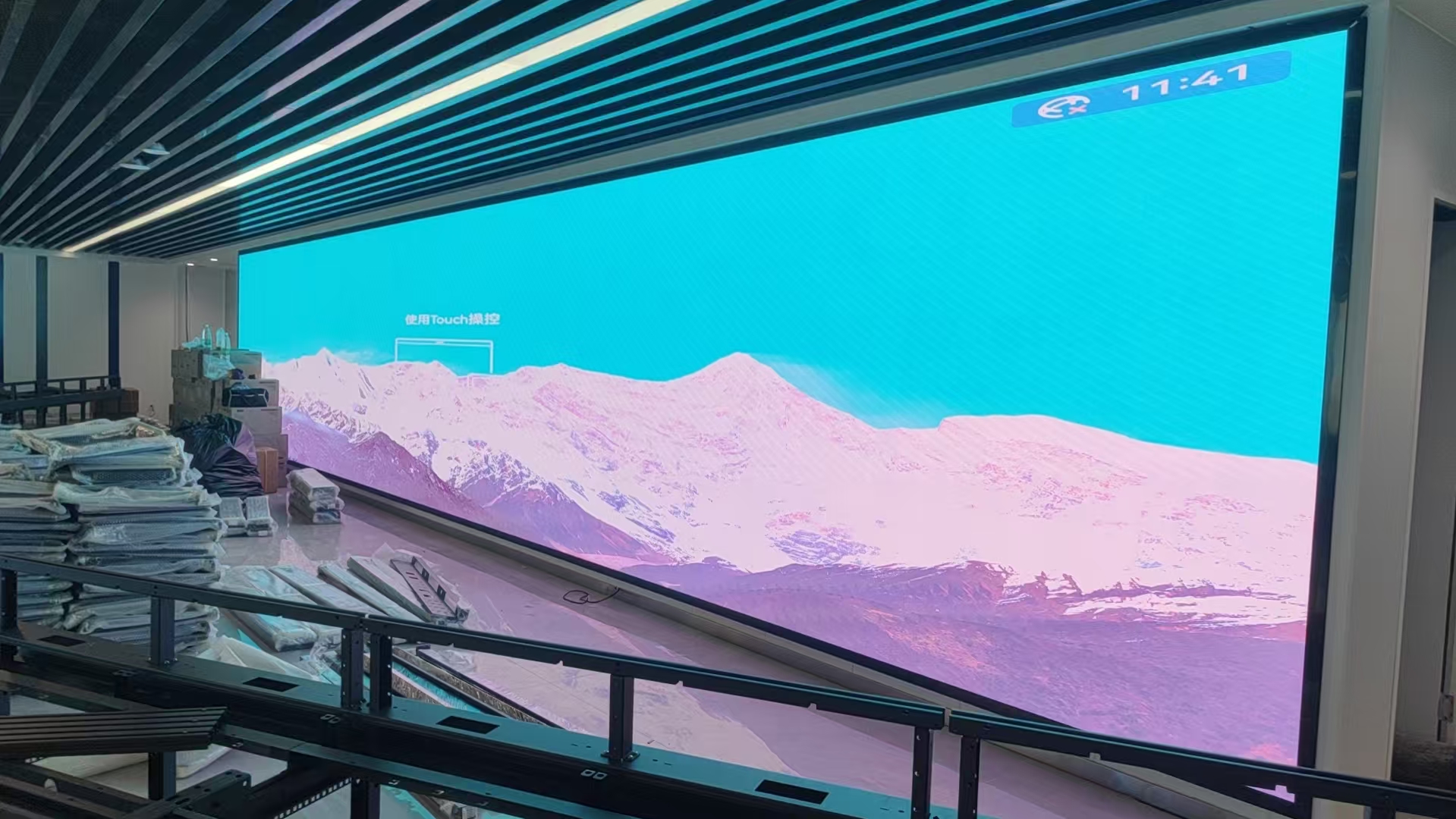
1. Ambient Light and Selection Logic for Emergency Command
Brightness and color temperature selection for emergency command LED displays is a quantified response to ambient light. Emergency command sites include fixed halls, mobile vehicles, and temporary outdoor posts. Fixed halls typically use 100-300lux artificial lighting; semi-outdoor or window-adjacent areas reach 500-2000lux; outdoor posts under direct sunlight can exceed 10000lux. Insufficient brightness causes washed-out images and poor contrast; excessive brightness causes glare and visual fatigue. The core logic: start from measured illuminance, combine viewing distance and signal source characteristics, and balance brightness redundancy
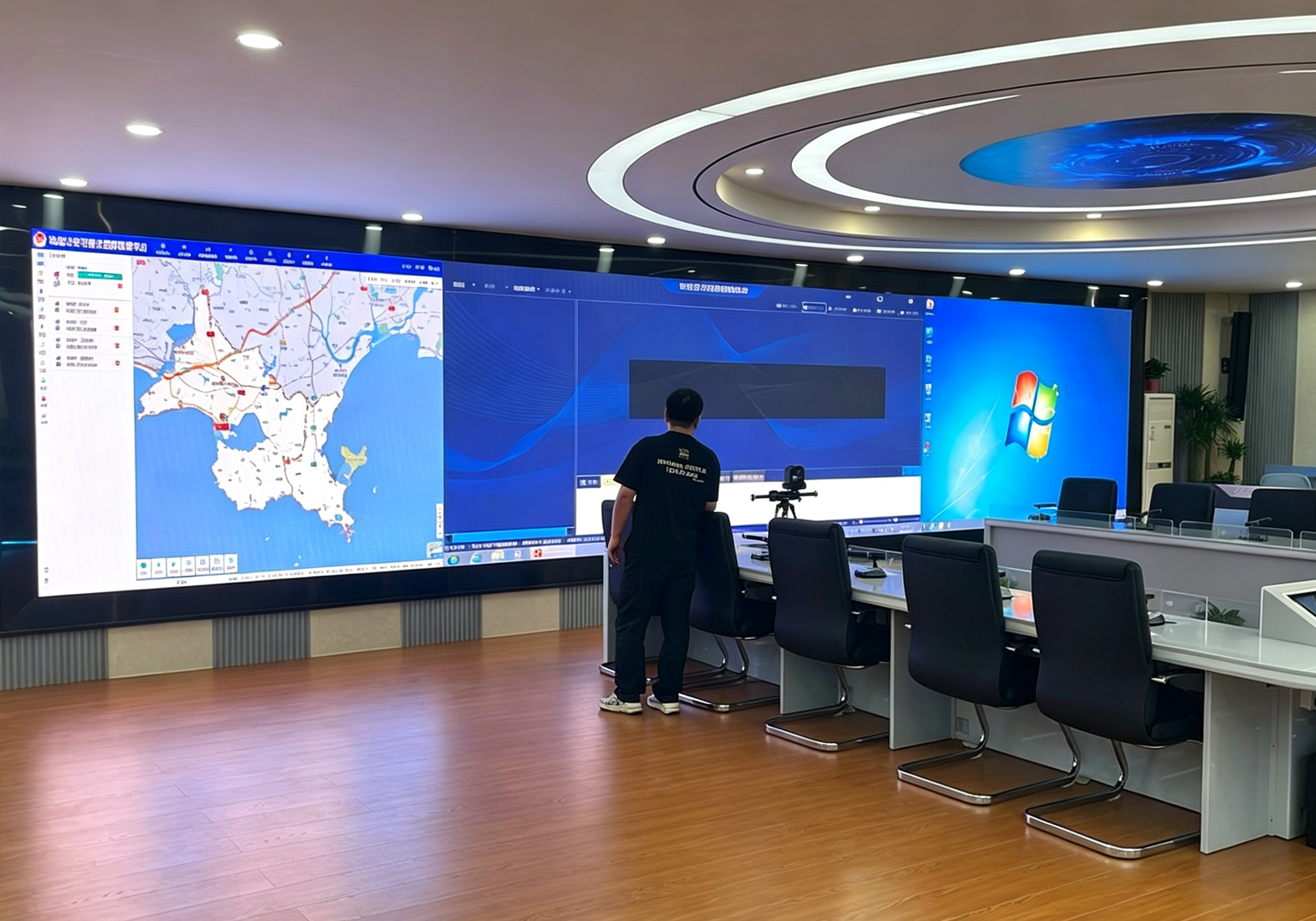
2. Brightness Selection: Indoor vs. Outdoor Quantified Thresholds
Brightness depends on deployment lighting. Indoor command halls typically use 500-800cd/m² with ~6500K color temperature to reduce visual fatigue. Window-adjacent or semi-outdoor posts should use 1500cd/m²+ with ~7500K to counter ambient light dilution. Stonbel SMD packaging supports extensive brightness adjustment; outdoor models can be customized to 8000cd/m²+. Values should be determined by on-site illuminance measurement and viewing distance. In Zhangjiajie Forest Park, a 60㎡ outdoor P3 full-color screen at 6500cd/m² ran stably under strong light and variable weather, increasing visitor dwell time by 50%. This shows outdoor brightness
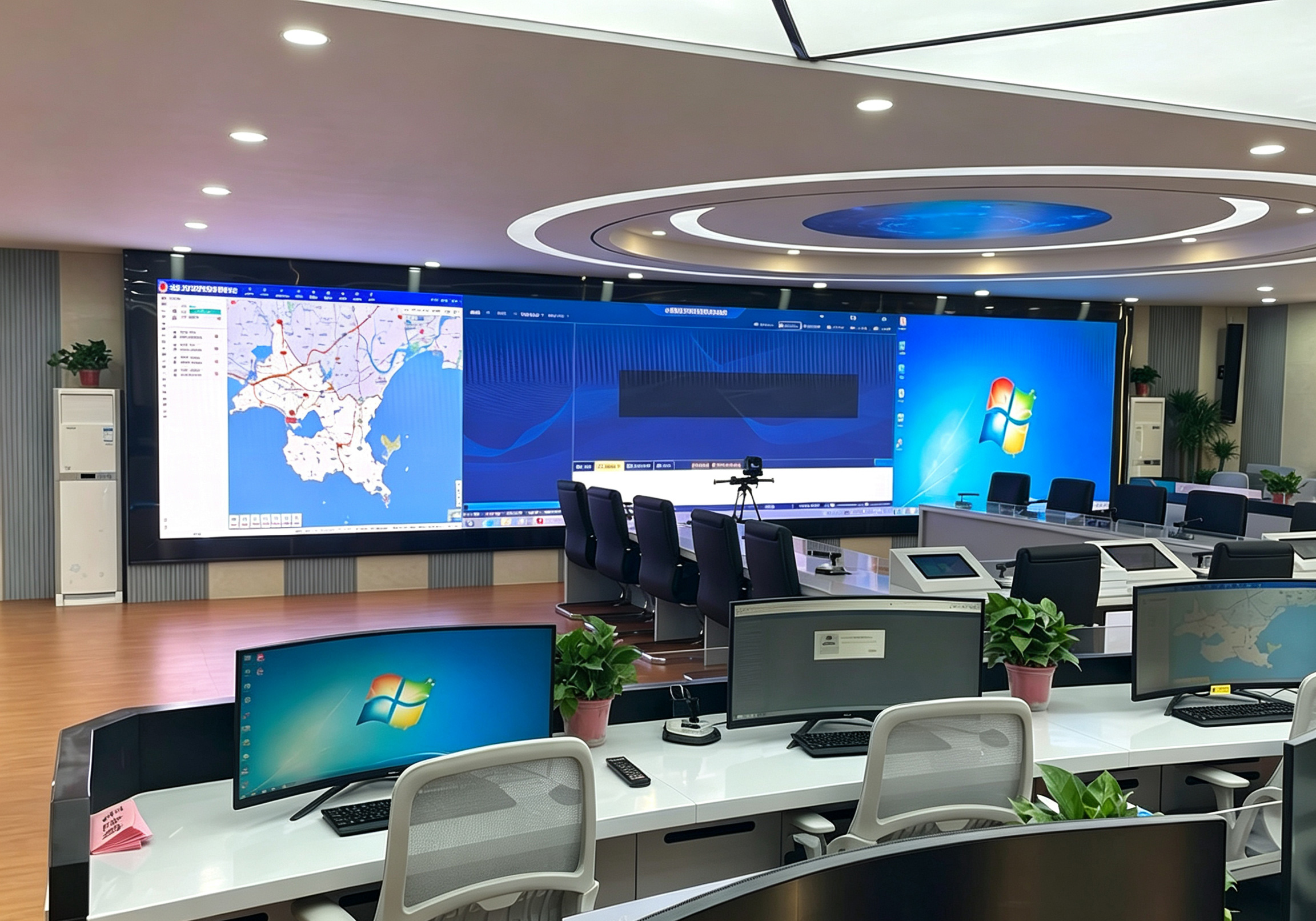
3. Color Temperature: Visual Comfort to Image Penetration
Color temperature adjustment is key for ambient light adaptation. Indoor low-illuminance environments suggest ~6500K neutral color temperature; high-light environments can raise to 7500K for image penetration. Stonbel emergency command LED displays cover NTSC≥130% with 22bit grayscale processing, delivering rich color layers and smooth dark transitions—critical for color consistency across multiple video signals. Insufficient gamut causes color shift, affecting detail interpretation. In practice, coordinated color temperature and brightness adjustment outperforms single-parameter tuning. In Chengdu Government Service Center, Stonbel customized
4. Packaging Technology and Protection Rating Adaptation
Stonbel offers multiple packaging solutions. COB packaging provides high protection, adapting to complex environments and reducing dust and moisture impact. GOB packaging achieves IP65+ protection, suitable for crowded, high-dust, high-humidity environments at lower cost than COB. Outdoor models use IP66 protection, such as the 60㎡ outdoor P3 full-color screen at Zhangjiajie Forest Park. Zhengzhou East Station uses GOB P2.5 indoor screens at 120㎡ with IP65 dust and impact protection, unified station-wide control, reducing information sync time from 30 minutes
5. Multi-Signal Sync and Remote O&M Capabilities
Stonbel emergency command LED displays support 4K/1080P HD display with 5G/WiFi/4G multi-network access for remote content updates. The system supports multi-signal input and synchronized control for real-time display and one-touch switching of government data, procedures, and policies. The built-in O&M platform monitors device status in real time, enabling remote diagnostics and reducing manual maintenance costs. Chengdu Tianfu Airport cargo monitoring center integrates security and cargo system signals with zoned publishing and cross-zone alerts, providing 7×24 O&M
Q1: What brightness is suitable for emergency command LED displays? Indoor vs. outdoor?
A: Brightness depends on deployment lighting. Indoor command halls typically use 500-800cd/m² with ~6500K to reduce visual fatigue. Window-adjacent or semi-outdoor posts should use 1500cd/m²+ with ~7500K to counter ambient light dilution. Stonbel SMD packaging supports extensive brightness adjustment; outdoor models can be customized to 8000cd/m²+. Values should be determined by on-site illuminance measurement and viewing distance. In Zhangjiajie Forest Park, a 60㎡ outdoor P3 full-color
Q2: How to adjust color temperature? Is color gamut important?
A: Color temperature adjustment is key for ambient light adaptation. Indoor low-illuminance environments suggest ~6500K neutral color temperature; high-light environments can raise to 7500K for image penetration. Stonbel emergency command LED displays cover NTSC≥130% with 22bit grayscale processing, delivering rich color layers and smooth dark transitions—critical for color consistency across multiple video signals. Insufficient gamut causes color shift, affecting detail interpretation. Coordinated color temperature and brightness adjustment outperforms single-parameter tuning.
Q3: Are protection ratings sufficient for complex environments?
A: Stonbel offers multiple packaging solutions. COB packaging provides high protection, adapting to complex environments and reducing dust and moisture impact. GOB packaging achieves IP65+ protection, suitable for crowded, high-dust, high-humidity environments at lower cost than COB. Outdoor models use IP66 protection, such as the 60㎡ outdoor P3 full-color screen at Zhangjiajie Forest Park, running stably at 6500cd/m² and increasing visitor dwell time by 50%. Zhengzhou East Station uses GOB P2.5 indoor screens at 120㎡ with IP65 dust and
Q4: How are multi-signal sync and remote O&M achieved?
A: Stonbel emergency command LED displays support 4K/1080P HD display with 5G/WiFi/4G multi-network access for remote content updates. The system supports multi-signal input and synchronized control for real-time display and one-touch switching of government data, procedures, and policies. The built-in O&M platform monitors device status in real time, enabling remote diagnostics and reducing manual maintenance costs. Chengdu Tianfu Airport cargo monitoring center integrates security and cargo system signals with zoned publishing and cross-zone alerts, providing 7×24 O&M
Brightness and color temperature selection for emergency command LED displays is a systematic process starting from ambient light measurement and guided by scenario needs. From 500-800cd/m² in indoor command halls to 8000cd/m²+ customized brightness for outdoor temporary posts, from 6500K neutral to 7500K high-penetration color temperature, each parameter must balance viewing distance, signal source characteristics, and protection rating. Stonbel, as an LED/LCD commercial display manufacturer, offers full-spec solutions from indoor to outdoor and standard to custom shapes, using SMD, COB, GOB packaging, P0.7 fine-pitch, 7680Hz refresh rate, 22bit grayscale, NTSC≥130% color gamut, and IP65 rating. Real project data—10-second information sync at Zhengzhou East Station, 50% dwell time increase at Zhangjiajie Forest Park, 50% response speed optimization at Chengdu Tianfu International Airport, 65% satisfaction improvement at Suzhou Industrial Park—verify reliability and adaptability in complex environments. Selection should start with on-site illuminance measurement, balance brightness redundancy and visual comfort, and leverage local support from 31 provincial service points for long-term stable operation.