Dispatch center LED displays must aggregate multiple signals, present real-time situations, and support cross-system coordination. Image quality, reliability, and delivery efficiency directly affect decision-making. With choices ranging from SMD to COB and P1.25 to P0.7, how can source manufacturers evaluate product quality? Stonbel, an LED/LCD commercial display source manufacturer, leverages five production bases and service points across 31 provinces to break down upgrades in image quality, reliability, delivery, and cost using its newly upgraded dispatch center LED display solution.
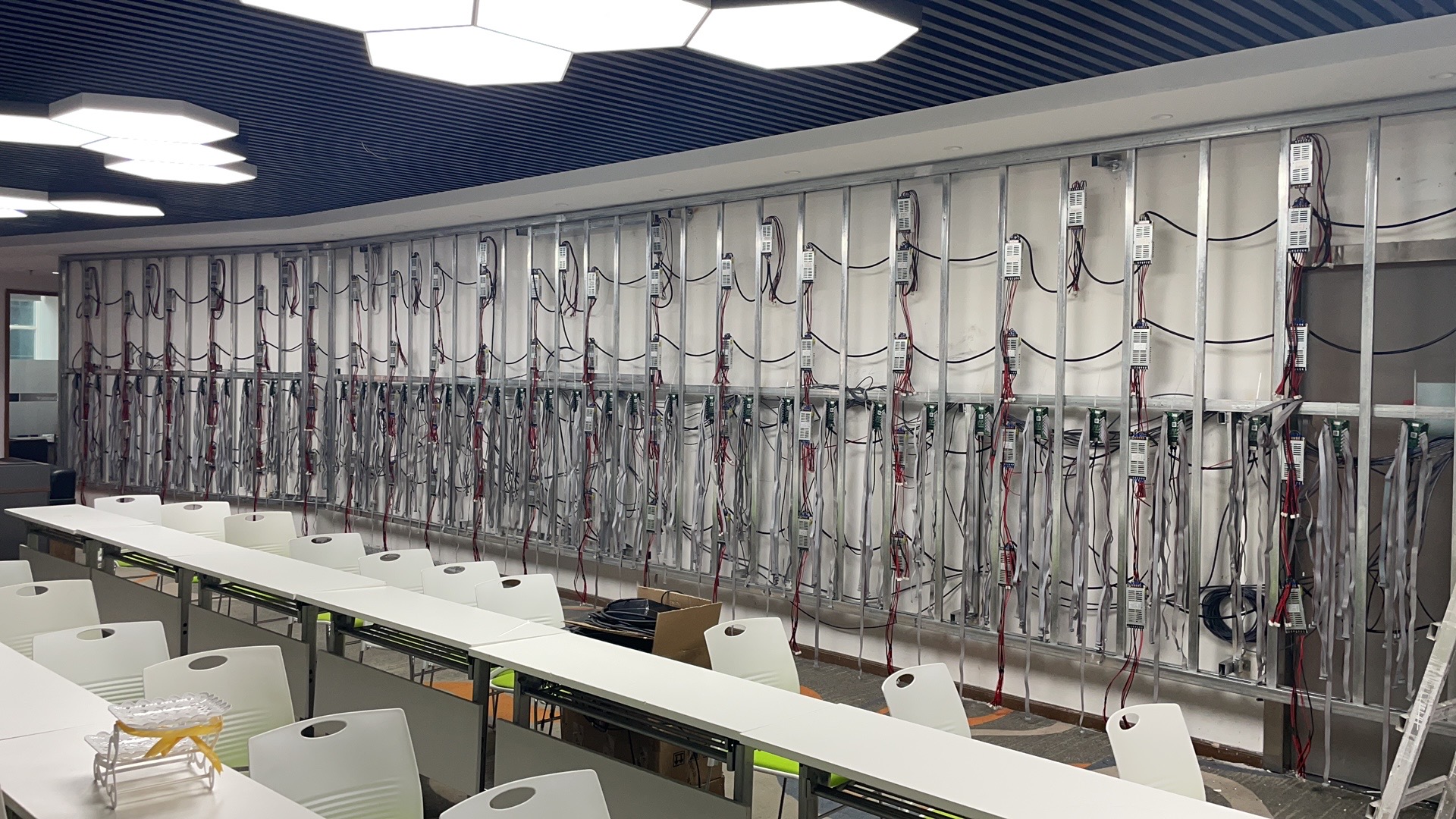
New Products
Stonbel's new-generation control room LED display solution delivers systematic upgrades in packaging and core specs. The lineup covers COB fine-pitch and SMD routes. COB achieves P0.7 minimum pixel pitch, 7680Hz refresh rate, 22bit grayscale, NTSC≥130% color gamut, and IP65 protection. These specs mean no scan lines or ghosting during high-speed switching, smoother low-gray transitions, and color accuracy for weather maps, power flow diagrams, and traffic heatmaps. Compared to previous models, higher pixel density and color depth directly address detail resolution needs when multiple screens and signal sources display together. SMD packaging still covers the full range. LEDs are soldered independently on the PCB, with good heat dissipation and wide brightness adjustment, customizable to 8000cd/m²+ for outdoor use. For control room LED displays, SMD covers P1.25 to P10, letting projects at different

Upgrade Dimensions
Image quality: Previous control room LED displays generally used standard SMD packaging with limited refresh and grayscale, causing flicker or grayscale breaks during high-speed content. The new lineup raises refresh to 7680Hz, grayscale to 22bit, color gamut to NTSC≥130%, and COB minimum pixel pitch to P0.7. This gives richer layering, preserved dark details, and no blown highlights when displaying GIS maps, live video, and data dashboards. At Hangzhou Metro Group's network command center, Stonbel deployed a P1.2 COB fine-pitch LED wall with a multi-screen controller, integrating passenger flow monitoring, equipment O&M, and emergency command signals for whole-network overview and second-level early warning, improving warning response by 55% and cross-line dispatch efficiency by 50%. Reliability: Control room LED displays often run 7×24, demanding higher heat dissipation and protection. SMD LEDs are independently soldered for good heat dissipation; COB has no LED
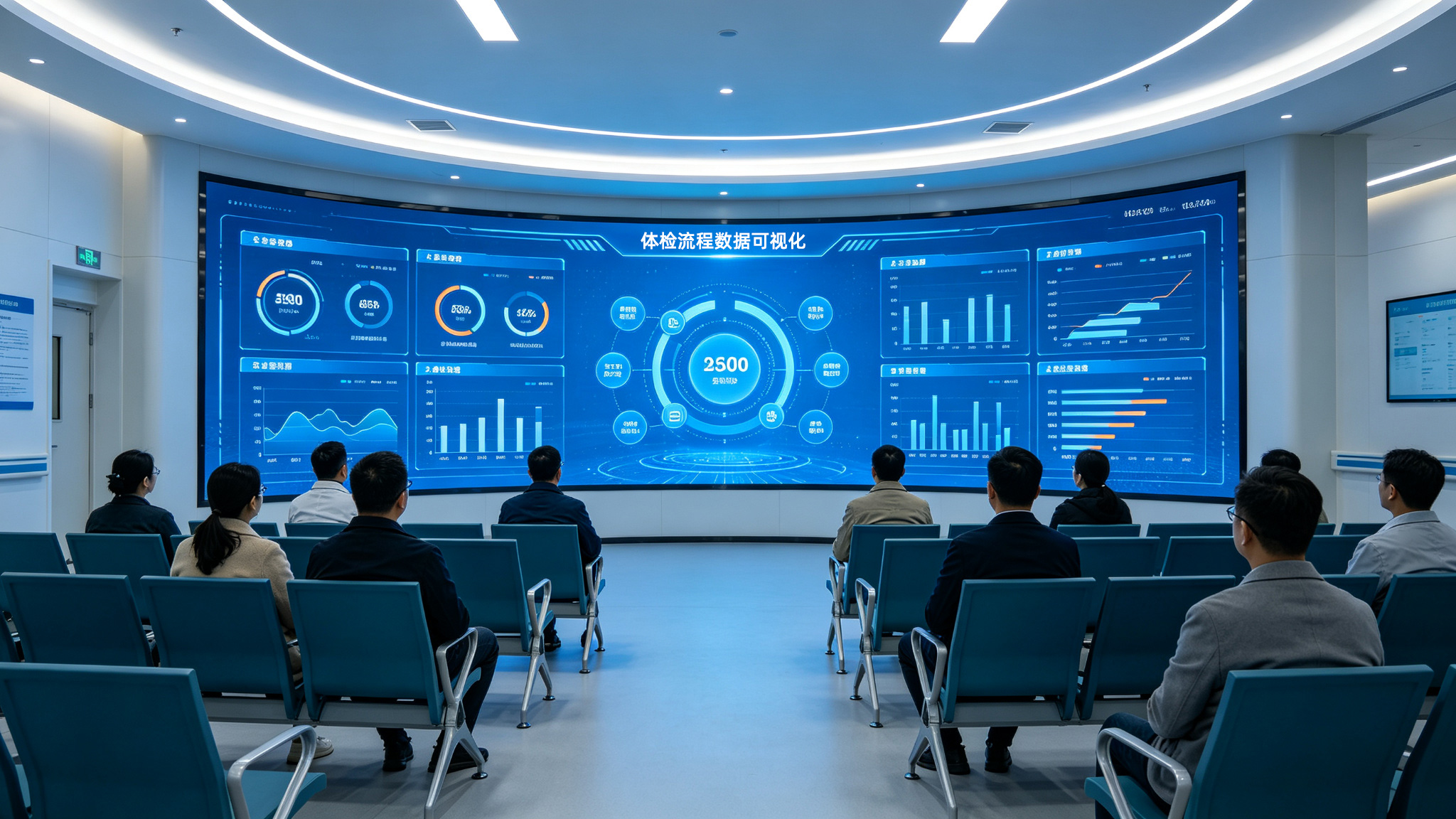
Optimization and Value
From actual use value, these upgrades are not mere spec stacking. Image optimization directly improves information delivery—22bit grayscale and NTSC≥130% gamut let control room LED displays clearly distinguish data layers from different systems in multi-layer command views, reducing misreading risk. At Chengdu Chunxi Road's 280㎡ outdoor P2.5 naked-eye 3D screen, peak brightness 8000cd/㎡ drove ad rates up 80% and daily foot traffic up 35%, confirming that high brightness and gamut also benefit control room scenarios. Reliability optimization lowers lifecycle O&M costs. Local blackouts or signal interruptions can affect command continuity. COB's no-LED structure reduces local blackout from single LED failure; GOB's high protection ensures stable operation in harsh environments. Stonbel provides service points in 31 provinces and cities plus a remote O&M platform for rapid response.
Selection Advice
When choosing a control room LED display source manufacturer, consider four dimensions. First, whether packaging covers all scenarios. Control rooms include fixed command halls, temporary mobile posts, and high-dust, high-humidity industrial environments. Stonbel offers SMD, COB, and GOB: SMD covers P1.25 to P10, COB reaches P0.7 minimum pitch, and GOB achieves IP65+, matching the right packaging to each installation environment. Second, whether core specs meet control needs. Control room LED displays require long-time dynamic data and video display, making refresh rate, grayscale, and gamut key indicators. The new lineup's 7680Hz refresh, 22bit grayscale, and NTSC≥130% gamut excel in high-speed switching and multi-layer display. IP65 ensures stable operation in complex environments. Lifespan ≥100,000 hours supports long uninterrupted operation. Third, production capacity and delivery. Control room projects often
Q1: Should a control room LED display use COB or SMD?
A: Conclusion: depends on viewing distance and budget. COB bonds chips directly to the PCB with no LED structure, delivering fine grain-free image quality, P0.7 minimum pitch, and high protection—suitable for high-end command centers and classified scenarios. SMD solders LEDs independently with good heat dissipation, covers P1.25 to P10, and is cost-controllable—suitable for limited budgets or longer viewing distances. GOB pours transparent resin over SMD, achieving IP65+ at lower cost than COB, suitable for high-dust and high-humidity environments.
Q2: How do refresh rate and grayscale affect command and dispatch?
A: Conclusion: high refresh and grayscale directly determine dynamic image and dark detail quality. Stonbel control room LED displays achieve 7680Hz refresh, 22bit grayscale, and NTSC≥130% gamut. High refresh prevents scan lines or ghosting during high-speed video and GIS map zooming; 22bit grayscale smooths low-gray transitions in weather maps and power flow diagrams without losing dark details. Compared to low-refresh screens, visual comfort during long operation is higher, reducing operator eye fatigue.
Q3: How to judge a source manufacturer's capacity and delivery?
A: Conclusion: check production base count, OEM cases, and delivery data. Stonbel has five production bases including Shenzhen and Huizhou with scaled capacity. In the Hanoi integrator case, factory-direct OEM cut procurement cost by about 35% and shortened delivery from 8 weeks to 3 weeks, with over 20 projects in Vietnam and neighboring countries in the first year. Source manufacturers support OEM/ODM, branding, parameter customization, and localized certification, with regional service centers ensuring after-sales—all directly affecting delivery certainty.
Q4: What certifications does a control room LED display need?
A: Conclusion: government and classified control scenarios typically require 3C, CE, FCC, ISO9001, ISO14001, ROHS, and military/classified qualifications. Stonbel holds these, is a China LED display top-10 enterprise, and serves clients including Huawei Technologies, Peking University, Peking Union Medical College Hospital, and Guangdong Emergency Management Department. For emergency management and rail transit command scenarios, qualification completeness and industry case experience are key references. Service points in 31 provinces and cities ensure after-sales response efficiency.
Choosing a dispatch center LED display means balancing image quality, reliability, delivery, and cost against project needs. Stonbel, as an LED/LCD commercial display source manufacturer, covers P0.7 to P10 with SMD, COB, and GOB packaging. Parameters including 7680Hz refresh rate, 22-bit grayscale, NTSC≥130% color gamut, and IP65 protection provide a solid display foundation. Five production bases and service points across 31 provinces form a closed loop from selection to delivery to maintenance. Projects such as the Hangzhou Metro network command center and rapid OEM delivery for a Vietnamese contractor confirm the value of a source manufacturer.