Stage LCD video walls are increasingly used in performances, lecture halls, and command centers for multi-signal presentation and immersive visuals. Compared with standard commercial displays, stage environments impose stricter requirements on mounting structure, signal cabling, heat dissipation, and maintenance. Based on Stonbel's delivered projects, this article covers installation precautions and pre-cabling points for stage LCD video walls, with actual parameters and results from Sun Yat-sen University, Shenzhen Emergency Management Bureau Command Center, and Chengdu Government Affairs Service Center, offering practical reference for weak-current integrators, AV engineers, and end users. Stonbel is a source manufacturer of LED/LCD commercial displays with 3C, CE, FCC, ISO14001, ISO9001, ROHS, and military/confidential qualifications, with service points in 31 provinces. All data comes from real project records.
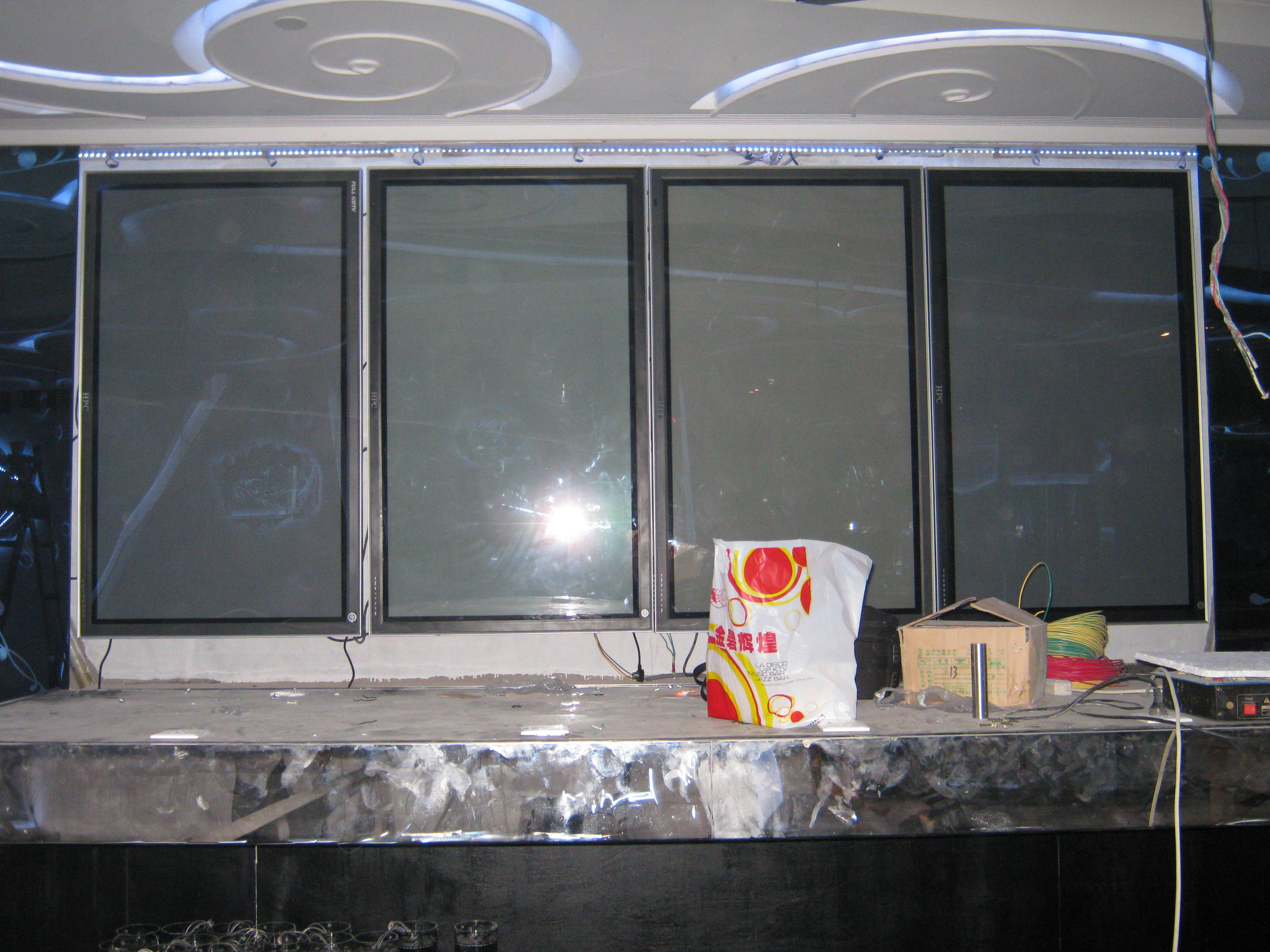
Project Background
Stage display needs differ from ordinary meeting rooms. In the Sun Yat-sen University project, the school needed smart blackboards for 65 classrooms and 135-180 inch LED all-in-one displays in 3 lecture halls for academic reports, large lectures, and multi-signal switching during cultural events. Although LED all-in-one displays dominated, the lecture hall stage attributes—high ambient light, long-distance viewing, multi-channel audio-video synchronization—closely mirror stage LCD video wall installation logic. Stage LCD video walls in performances, lecture halls, and government briefing rooms typically carry multiple camera, PC, and player signals, with wide audience viewing angles demanding strict
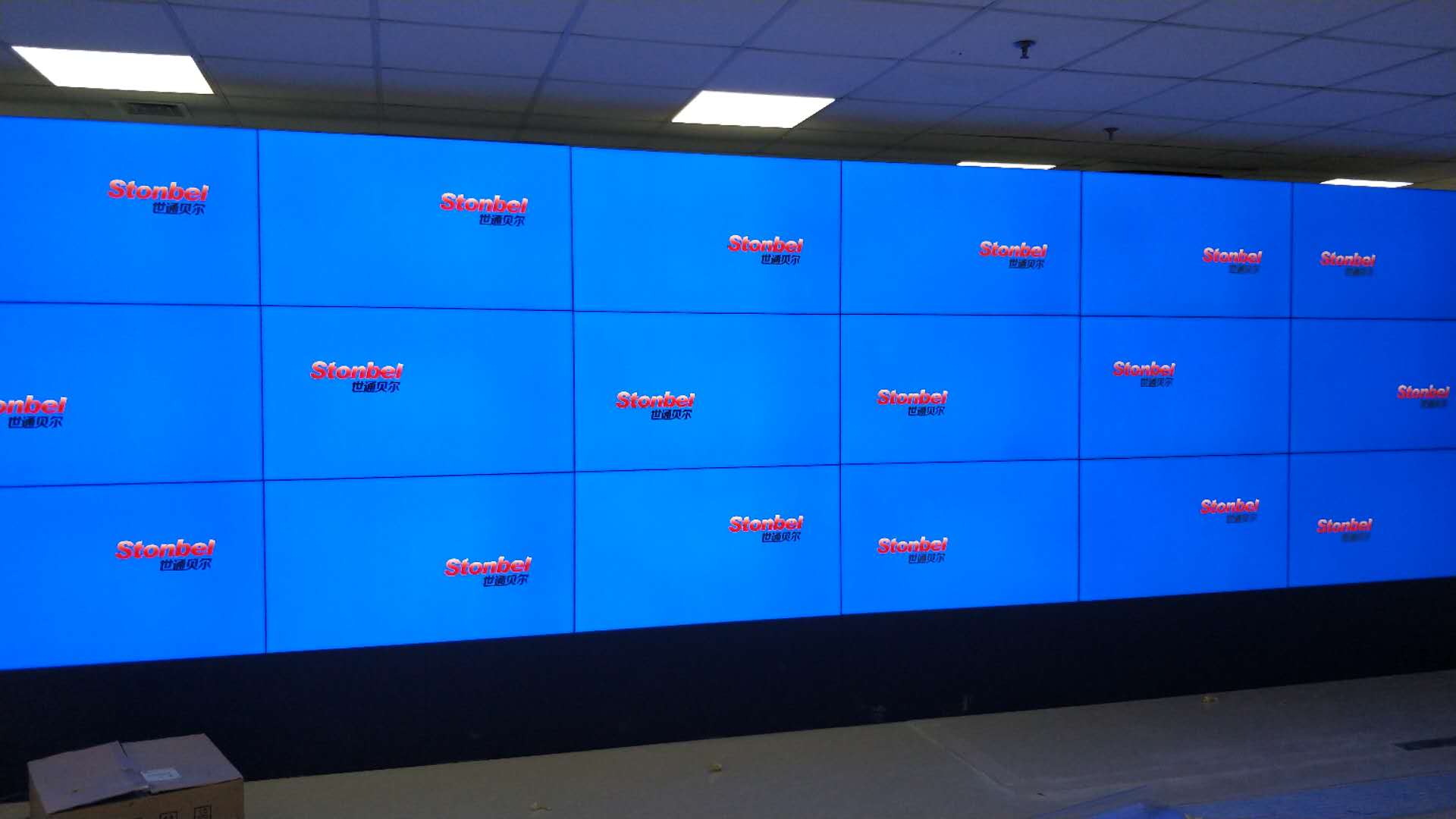
Delivery Highlights
In the Sun Yat-sen University project, the delivery team faced a scattered layout of 65 classrooms and 3 lecture halls, adopting unified signal standards and zone control strategies. The 135-180 inch display terminals in lecture halls needed to work with stage lighting and audio systems. During early cabling, signal cables and power lines were laid in separate conduits to avoid electromagnetic interference causing horizontal stripes or flickering. This experience directly applies to stage LCD video wall construction: stage areas have dense power equipment, and if signal and power lines run parallel over long distances, noise is easily introduced. The
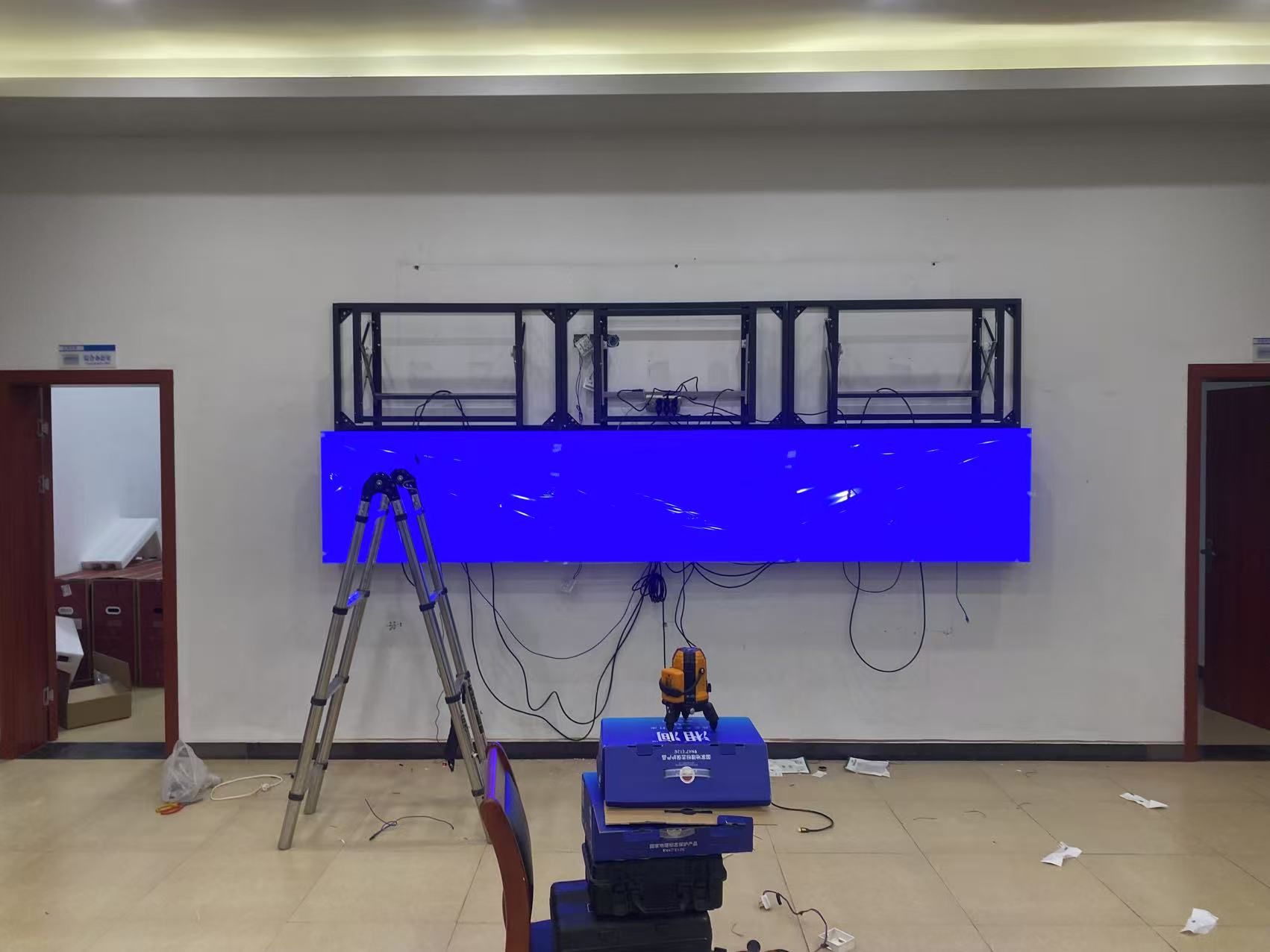
Core Specifications
Stage LCD video wall selection and cabling must align with specific parameters. Taking Stonbel's LCD display series as an example, it features P6 pixel pitch, NTSC≥120% color gamut, and IP65 protection rating. For stage environments, NTSC≥120% color gamut means fuller color reproduction, suitable for performance backgrounds and artistic displays; IP65 protection handles stage smoke and light moisture. During early cabling, viewing distance should be calculated based on P6 pixel pitch; stage LCD video wall installation positions typically must accommodate both front and rear audience, avoiding graininess from
Customer Feedback
After the Sun Yat-sen University project delivery, the school recognized the lecture hall display system's stability and image consistency. Display devices across 65 classrooms and 3 lecture halls operated under unified management, reducing daily maintenance pressure. For stage LCD video walls, customers most care about brightness decay and color drift after long-term operation. Stonbel's LCD display lifespan performance and protection design provide a reliable foundation for stage scenarios. Customer feedback mentioning "smooth signal switching, no image tearing" directly
Q1: What are the key cabling points before stage LCD video wall installation?
A: First, signal cables and power lines must be laid in separate conduits; stage areas have dense high-power lighting and audio equipment, and parallel routing easily introduces electromagnetic interference causing horizontal stripes or flickering. Second, reserve sufficient video input channels based on signal source count, and use high-spec shielded cables to ensure bandwidth meets resolution and refresh rate requirements. Third, control signals (central control, touch) should be routed independently to avoid interference with video signals. Stonbel's Shenzhen Emergency Management Bureau command center project accessed 256 signals with clear numbering and routing labels for orderly scheduling—this experience directly applies to stage LCD video wall early cabling planning.
Q2: How to choose bezel size and pixel pitch for stage LCD video walls?
A: Smaller bezels create stronger image continuity, suitable for full video or data visualization content; pixel pitch determines viewing distance. Taking Stonbel's LCD display as an example, P6 pixel pitch, NTSC≥120% color gamut, and IP65 protection suit medium-to-long distance stage backdrop and lecture hall scenarios. If stage audience is closer, consider smaller bezel splicing units, such as the 55-inch 0.88mm bezel configuration used in the Shenzhen Emergency Management Bureau command center project. Specific selection depends on installation position, viewing distance, and budget—refer to actual project plans.
Q3: How to ensure long-term operational stability of stage LCD video walls?
A: Stability comes from redundancy design and standardized construction. Critical signal sources should have backup routes; splicing unit power should use dual redundancy to avoid single-point failures causing entire wall failure. The Shenzhen Emergency Management Bureau command center project achieved 99.99% availability and under 30 minutes annual downtime; its multi-screen controller and video processing system unified access and flexible scheduling approach is worth referencing. Additionally, proper grounding and shielding during early cabling reduce interference;
Q4: How to choose between stage LCD video walls and COB fine-pitch LED for stage scenarios?
A: Both have applicable scenarios. Stage LCD video walls excel in color gamut; Stonbel's LCD display features NTSC≥120% color gamut and IP65 protection, suitable for medium-to-close distance stage backdrops and lecture halls requiring high color reproduction. COB fine-pitch LED excels in seamless splicing and ultra-large sizes, such as the Hangzhou Metro Group network command center project using P1.2 COB fine-pitch LED video walls for whole-network unified view, with passenger surge warning response speed improved 55%. If the stage needs full-wall seamless display at long viewing distance, prioritize COB fine-pitch; if balancing color and cost, stage LCD video walls are a practical choice.
For stage LCD video wall installation, the core lies in standardized pre-cabling and reliable signal scheduling. From Sun Yat-sen University lecture hall to Shenzhen Emergency Management Bureau Command Center and Chengdu Government Affairs Service Center, Stonbel's experience in multiple real projects shows: separating signal cables from power lines, independent control signal routing, reserved redundant channels, and clear numbering management are the foundation for stable operation of stage LCD video walls. As a source manufacturer of LED/LCD commercial displays with 3C, CE, FCC, ISO14001, ISO9001, ROHS, and military/confidential qualifications, Stonbel has service points in 31 provinces and can provide full-process support from selection and cabling to installation and commissioning for stage LCD video wall projects. Specific parameters and solutions are subject to actual project requirements.