In control centers across energy, emergency, and broadcast industries, large display systems are the visual core for information convergence and command scheduling. COB small-pitch displays are gradually replacing traditional visible-seam solutions due to seamless splicing, high protection, and long lifespan. For weak-current integrators and AV engineers, installation and pre-wiring of COB small-pitch displays in control centers often determine project success. This article uses Stonbel's Daqing Oilfield Production Command Center project as a main thread, combined with real delivery cases in ports, forest fire prevention, and research institutes, to break down practical points in wiring planning, environmental adaptation, signal access, and O&M for COB small-pitch displays in control centers, providing reusable construction references for integrator partners.
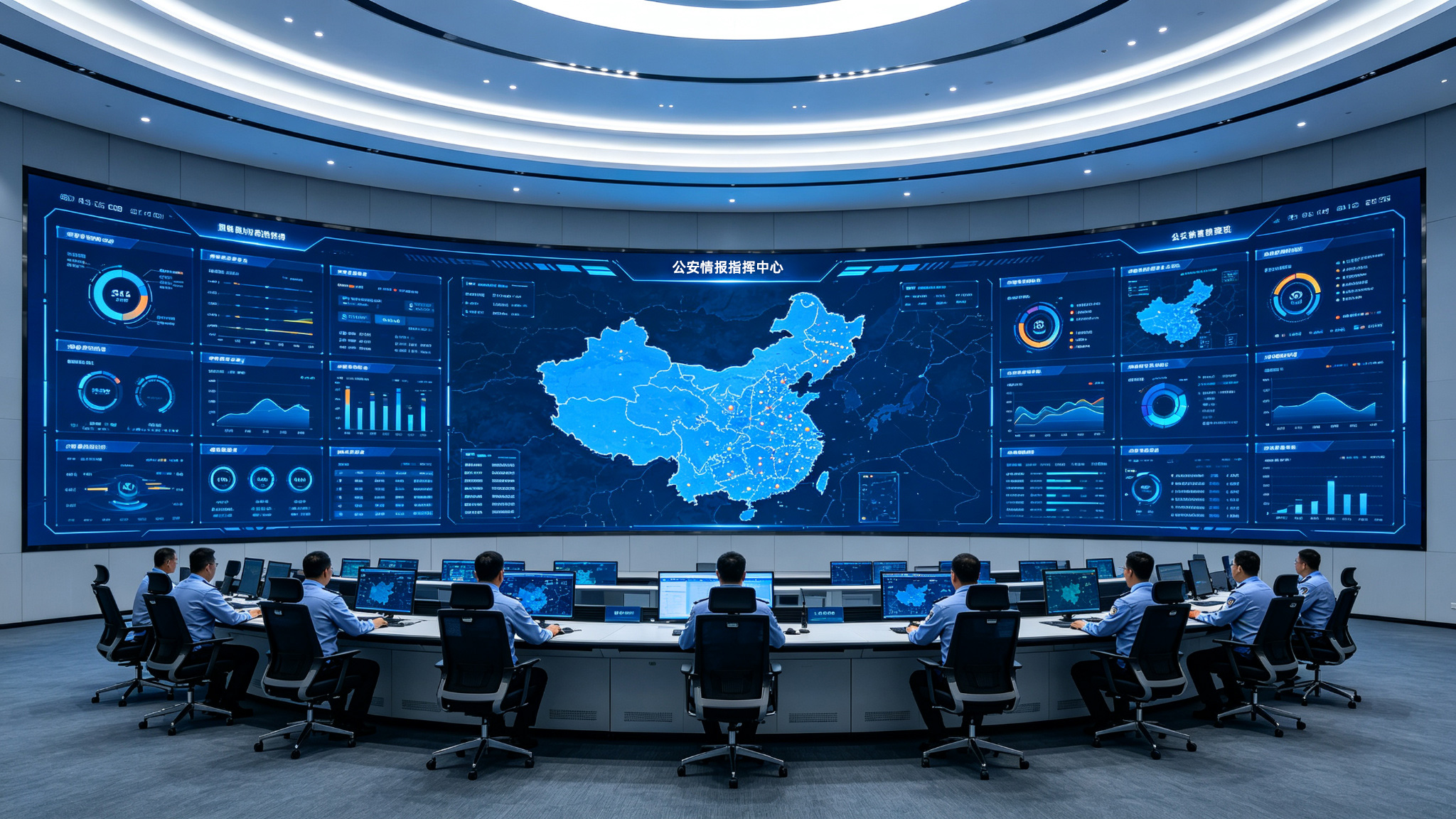
Project Background
In the pre-cabling phase of a monitoring center COB fine-pitch display, the number and type of signal sources determine cable specifications and routing. The Daqing Oilfield project required access to oil production data, station monitoring, and emergency signals, involving multiple source devices and switching matrices. The engineering team adopted a zone aggregation and centralized display strategy, routing signals from different stations to the nearest cabinet first, then transmitting via backbone links to the command center, effectively reducing signal
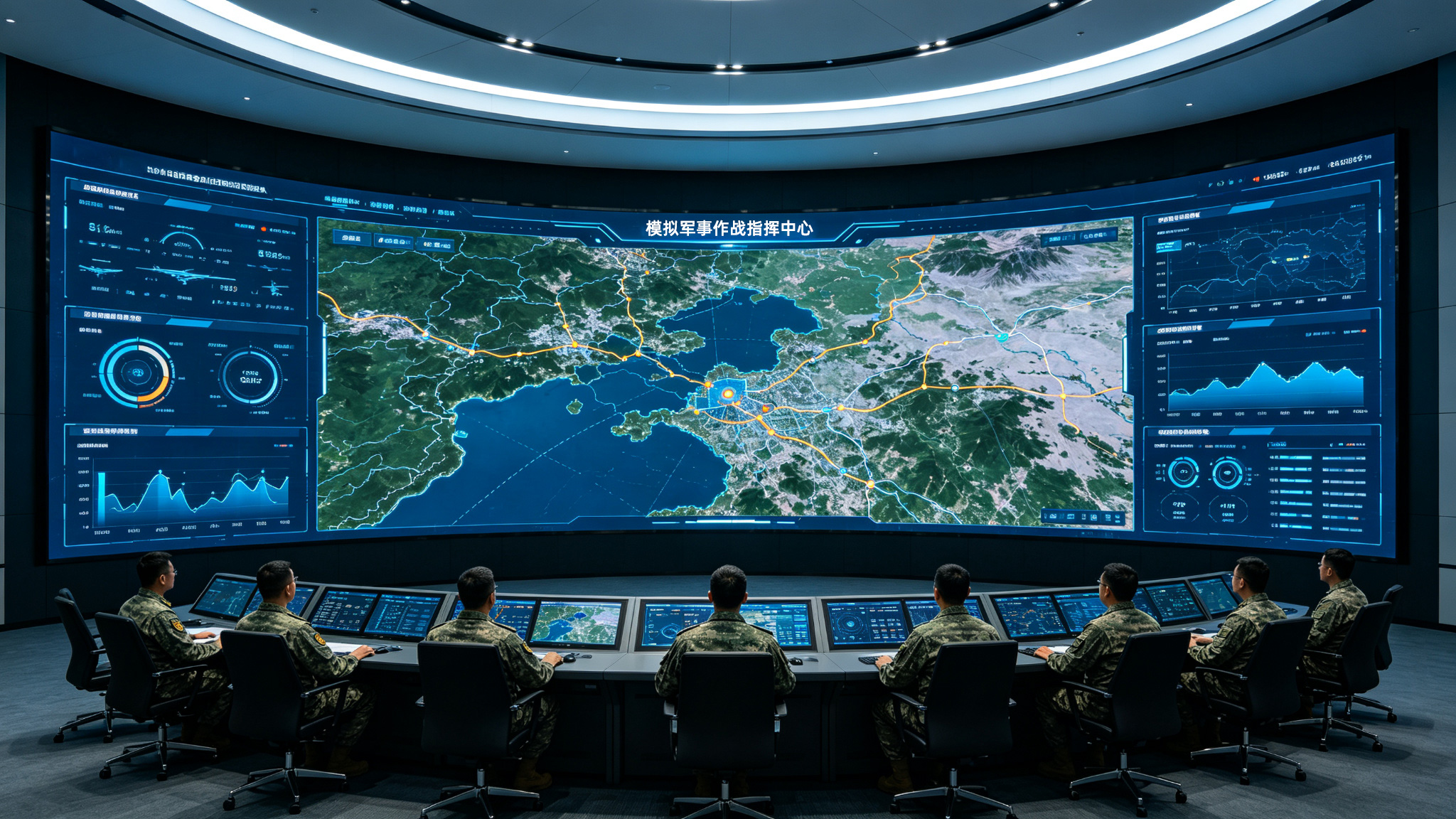
Delivery Highlights
Examining cases from other industries reveals the delivery logic of monitoring center COB fine-pitch displays across different scenarios. The Heilongjiang Provincial Forest Fire Brigade Command Center project used 78㎡ of P1.2 specification product with a wide temperature range of -30℃ to 60℃, enabling panoramic fire prevention situational display. During cabling, the project focused on the impact of extreme temperature variations in alpine forest regions on cable performance, selecting low-temperature-resistant cables and reinforcing connector protection to ensure uninterrupted signal transmission in extreme climates. A coastal core port group dispatch center
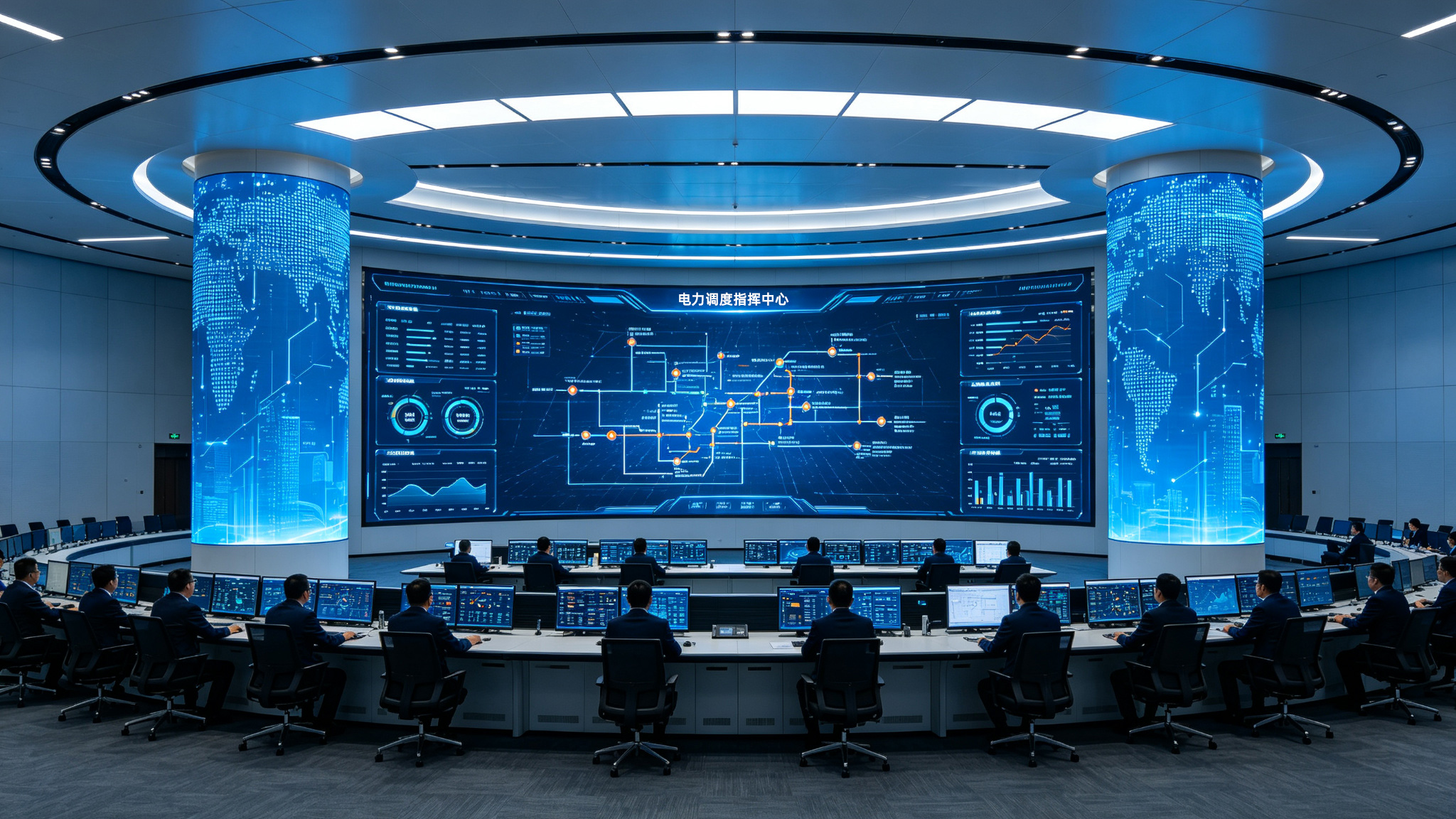
Core Specifications
From a standards and compliance perspective, construction of monitoring center COB fine-pitch displays can reference general specifications for display equipment installation, covering power supply, grounding, and cable routing. Stonbel products have obtained 3C, CE, FCC, ISO14001, ISO9001, and ROHS certifications, along with military and classified-related qualifications. This means that in government, energy, and research projects with high compliance requirements, integrators can directly rely on original manufacturer qualifications to complete bidding and acceptance processes without additional certification coordination. For signal transmission, monitoring center COB fine-pitch displays
Customer Feedback
From the integrator partnership perspective, customer feedback also involves project profit and delivery efficiency. As an original manufacturer, Stonbel adopts a factory-direct supply model, providing integrators with higher per-project profit margins while reducing concerns about competitor undercutting through regional protection mechanisms. During the bidding phase, the manufacturer provides full-process free support, including qualification documents, technical solutions, and bid documents, helping integrators quickly prepare bidding files, improving bid pass rates, and eliminating the need to hire additional specialists, reducing time and
Q1: What are the key points for pre-cabling a monitoring center COB fine-pitch display?
A: Pre-cabling requires focus on three points: First, signal cables and power cables should be routed in separate trays to avoid electromagnetic interference affecting display stability. Second, cable specifications and routing paths should be planned based on signal source quantity and type; the Daqing Oilfield project adopted a zone aggregation and centralized display strategy to reduce long-distance transmission attenuation. Third, spare cable trays and interfaces should be reserved for future expansion. Monitoring center COB fine-pitch displays typically support multi-channel synchronous signal access, and interface types and switching logic must be confirmed during cabling.
Q2: How does a COB fine-pitch display ensure stable operation in low-temperature oily environments?
A: Taking the Daqing Oilfield project as an example, Stonbel customized a P1.25 specification wide-temperature anti-oil COB fine-pitch display, using a wide-temperature driver solution and anti-oil sealed packaging, enabling rapid startup and stable operation in low-temperature environments. The protection rating reaches IP55, combined with anti-oil sealed packaging, effectively resisting oil and dust intrusion in the plant area. The project achieved zero major faults in annual production duty, with fault rate reduced by 79% and annual maintenance costs reduced by 34%. During construction, cabinet sealing strips must be properly installed and cable entries sealed.
Q3: How does the refresh rate of a monitoring center COB fine-pitch display affect monitoring scenarios?
A: A refresh rate of 3840Hz means the monitoring center COB fine-pitch display produces no flicker or scanning lines when captured by HD cameras, with stable images and no tearing. This feature is particularly important in broadcast studio and XR virtual production scenarios. The Suzhou Broadcasting Media project used P1.2 specification product, achieving 43% improvement in XR virtual scene and live-action image fusion, with live broadcast and recording images meeting Grade-A broadcast standards. If a monitoring center involves camera shooting or high-precision image capture, a high refresh rate ensures accurate visual information transmission.
Q4: How do protection rating and lifespan specifications of a COB fine-pitch display affect maintenance costs?
A: An IP55 protection rating means the display has dust-proof and water-spray-resistant capabilities, adapting to complex environments with oil and dust, reducing faults caused by environmental intrusion. A lifespan of ≥100,000 hours ensures long-term stability in 7×24 continuous operation scenarios. The Daqing Oilfield project reduced annual maintenance costs by 34%, the Yellow River basin flood control project reduced maintenance costs by 63% and equipment fault rate by 91%. Intelligent fault detection and remote maintenance functions reduce after-sales response time to within 30 minutes and cut cross-regional maintenance costs by over 50%.
Installation and pre-wiring of COB small-pitch displays in control centers are key steps from design to implementation. The Daqing Oilfield Production Command Center project used a P1.25 wide-temperature oil-resistant solution, achieving zero major failures year-round under -20°C and oil-dust conditions, reducing failure rate by 79% and improving dispatch response efficiency by 38%, offering a reference for energy sector control centers. Cases in port salt-spray resistance, forest fire prevention cold adaptation, broadcast XR studios, research data display, and flood control command also verify COB small-pitch display adaptability. For integrators and AV engineers, choosing a source manufacturer with direct supply, full-process technical support, and nationwide local service network ensures professional support in wiring planning, signal access, environmental protection, and O&M, reducing project delivery risks while maintaining reasonable profit margins.