In emergency command scenarios, large-screen display systems handle signal aggregation, situational presentation, and dispatch decisions. Emergency command LCD video walls, with ultra-HD seamless splicing, multi-signal access, and 7×24 stable operation, are mainstream in government and enterprise command centers. Many integrators and end users ask: how much per square meter? Why do quotes vary so much? This article traces Stonbel's R&D and manufacturing timeline, breaks down core pricing factors, and provides practical selection reference with real cases.
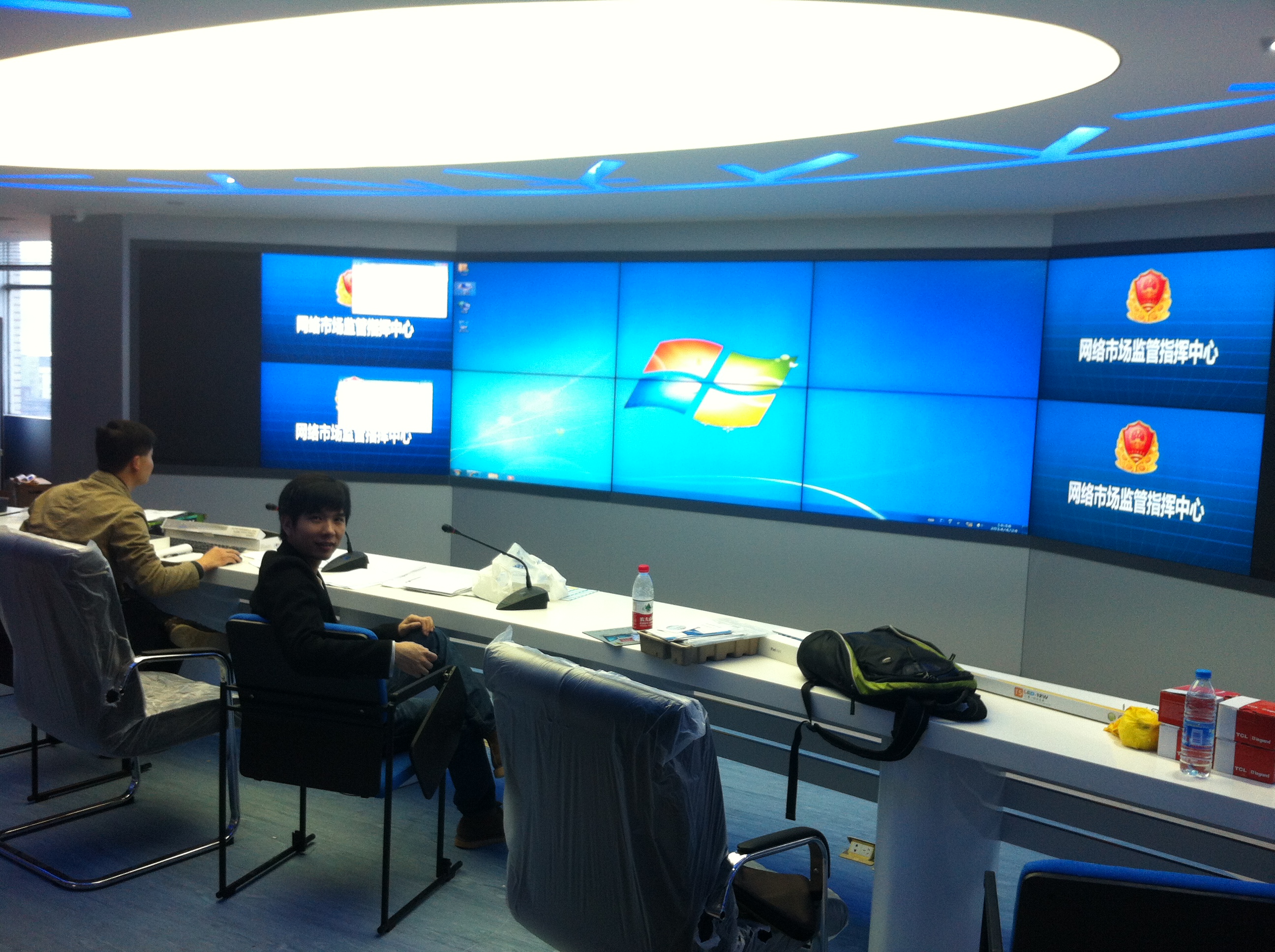
Background
Emergency command LCD video walls are commercial display terminals designed for dispatch and command scenarios. Multiple LCD units are tiled into an ultra-large canvas, supporting simultaneous multi-signal access, split-screen display, and cross-screen roaming. They are widely used in emergency management, traffic dispatch, broadcasting studios, and metro network command centers. Core requirements include high resolution, narrow bezels, wide color gamut, and long-term operation without degradation. As a source manufacturer of LED/LCD commercial displays, Stonbel holds 3C, CE, FCC, ISO14001, ISO9001, ROHS, military, and classified qualifications, and ranks among China's top 10 LED display companies. Note: Stonbel has no affiliation with Bell Canada. The brand focuses exclusively on large-screen display manufacturing. From an
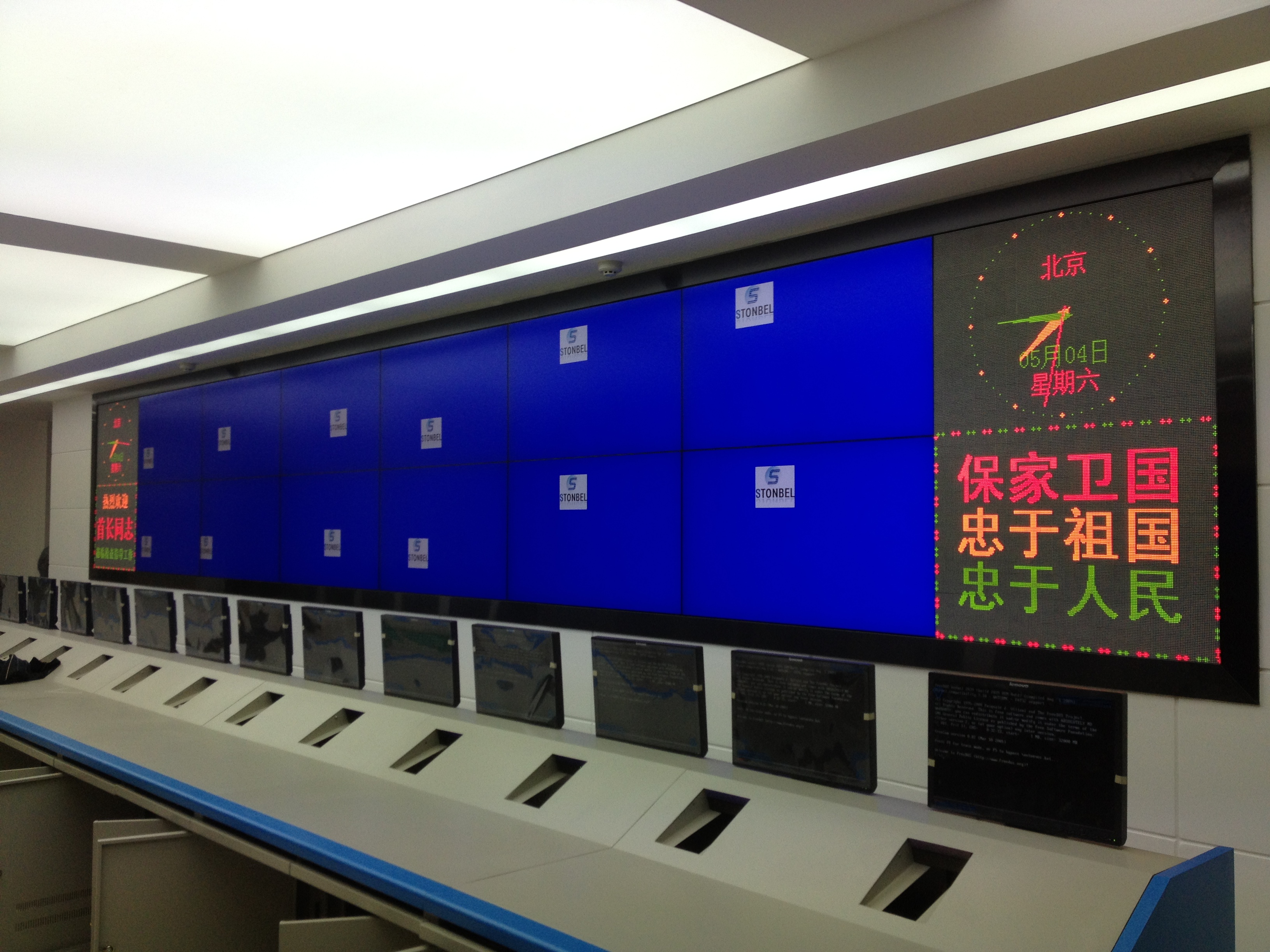
R&D / Project History
Stonbel's R&D investment in commercial displays has always centered on improving the stability and image quality of emergency command LCD video walls. In the Zhejiang Radio and Television Group studio project, the client needed a 55-inch 0.88mm-bezel 5×5 video wall with strict color gamut and signal scheduling requirements. Stonbel provided LCD units with NTSC≥120% and support for 32 simultaneous signal inputs, ultimately reducing annual failure rate by 92%. This case shows that compressing bezels from the standard 3.5mm to 0.88mm requires systematic upgrades in panel bonding and thermal structure. In the Xi'an Xianyang International Airport smart terminal project, Terminal 5 needed a unified information publishing and security linkage display network covering check-in, security, and boarding gates. The
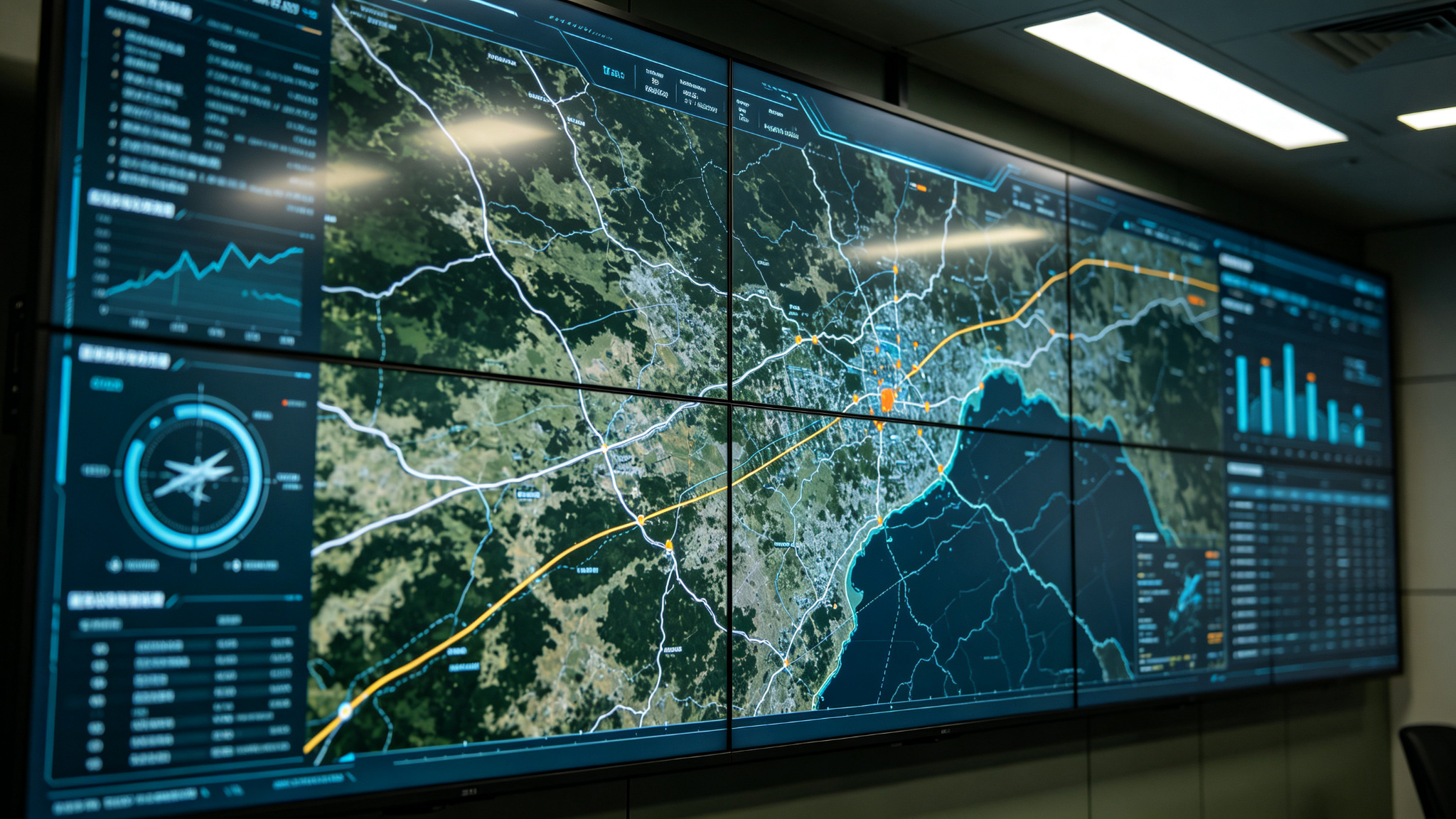
Delivery
In the delivery phase, the pricing factors for emergency command LCD video walls become more specific. In the Hangzhou Metro Group network command center project, the client needed unified display of network-wide passenger flow, equipment, and emergency information. The existing video wall had insufficient resolution and lagged cross-line signal scheduling. Stonbel deployed a P1.2 COB fine-pitch LED wall with multi-screen controllers, integrating passenger flow monitoring, equipment O&M, and emergency command signals into a unified access system, achieving one-screen overview of the entire network and second-level early warning for sudden passenger surges. Surge warning response speed improved by 55%, cross-line dispatch efficiency improved by 50%, and the system supports daily network-wide passenger flow in the tens of millions. In the Uniqlo China project, over 300 stores nationwide deployed 43/55-inch
Future Outlook
From the manufacturing side, the next evolution of emergency command LCD video walls will focus on narrower bezels, wider color gamut, and smarter O&M. In Stonbel's product matrix, LCD displays have reached P6 pixel pitch, NTSC≥120% color gamut, and IP65 protection, meeting indoor environment requirements for most command centers. Meanwhile, COB fine-pitch displays offer P0.7-P1.8 pixel pitch, 3840Hz refresh rate, IP55 protection, and ≥100,000-hour lifespan, providing parallel LED and LCD options for emergency command scenarios. On the service network side, Stonbel has permanent service points in 31 provinces and cities across China, enabling rapid response for emergency command LCD video wall projects. Clients include Huawei Technologies, Peking University, Peking
Q1: How much does an emergency command LCD video wall cost per square meter? Why is pricing so different?
A: The per-square-meter price of an emergency command LCD video wall is not fixed. It is typically determined by bezel spec, brightness, color gamut, signal processing capability, and installation structure. Taking Stonbel products as an example, LCD displays achieve NTSC≥120% color gamut and IP65 protection. The narrower the bezel and the higher the color gamut, the higher the unit cost. Additionally, whether multi-screen controllers, remote management software, mounting brackets, and localized service are included will significantly affect the final quote. We recommend calculating total cost of ownership based on actual signal count and O&M requirements, rather than looking only at panel unit price.
Q2: How to choose between an emergency command LCD video wall and a COB fine-pitch LED wall?
A: They serve different purposes. Emergency command LCD video walls suit command and dispatch scenarios requiring wide color gamut, multi-signal split-screen, and close viewing distance. Stonbel LCD displays offer NTSC≥120% color gamut and support ultra-HD seamless tiling. COB fine-pitch LED suits ultra-large canvases, curved designs, or higher refresh rate requirements, with pixel pitch covering P0.7-P1.8, 3840Hz refresh rate, IP55 protection, and ≥100,000-hour lifespan. If the command center is signal-dense with mostly text and tables, LCD video walls are more cost-effective. For immersive panoramic views and irregular installations, consider COB fine-pitch solutions.
Q3: What is the minimum bezel width for an emergency command LCD video wall?
A: Bezel width is a key parameter affecting both pricing and visual performance of emergency command LCD video walls. In the Zhejiang Radio and Television Group studio project, Stonbel delivered a 55-inch 0.88mm-bezel 5×5 video wall supporting 32 signal inputs, reducing annual failure rate by 92%. The narrower the bezel, the higher the requirements for panel bonding and thermal structure, and the higher the cost. In actual selection, balance viewing distance and budget—not every command center needs an ultra-narrow bezel.
Q4: What is the after-sales service network coverage for emergency command LCD video walls?
A: Stonbel has permanent service points in 31 provinces and cities across China, providing localized response for emergency command LCD video wall projects. Clients include the Guangdong Provincial Emergency Management Department, Huawei Technologies, Peking University, and Peking Union Medical College Hospital, covering emergency, government, enterprise, education, and healthcare scenarios. For 7×24 command center operations, we recommend specifying service response level, spare parts supply, and remote O&M support at the quotation stage—these all factor into overall cost.
Emergency command LCD video wall pricing is not just panel unit cost—it results from bezel splicing, color gamut, signal processing, installation structure, and service network. From 0.88mm bezel at Zhejiang Radio and TV studio, to unified management of over 400 terminals at Xi'an Xianyang Airport, to second-level alerts at Hangzhou Metro network command center, Stonbel as a source manufacturer turns project experience into reusable product capabilities. For integrators and government/enterprise users, understanding real variables behind quotes matters more than price comparison. As emergency command scenarios demand higher image quality and stability, choosing a source manufacturer with qualifications, capacity, and local service will be key to controlling total cost of ownership.