Government service halls are public-facing spaces where information and guidance displays directly impact service efficiency and citizen experience. As digitalization advances, these displays have evolved from simple information boards into core terminals for queueing, navigation, policy promotion, and data transparency. Given complex ambient light—natural light, ceiling fixtures, and screen reflections—strict demands are placed on brightness, color temperature, and contrast. Stonbel, a source manufacturer of LED/LCD commercial displays, draws on numerous COB fine-pitch installations to provide a practical adaptation guide for system integrators and AV engineers. This article covers project background, delivery highlights, key parameters, and client feedback.
Project Background
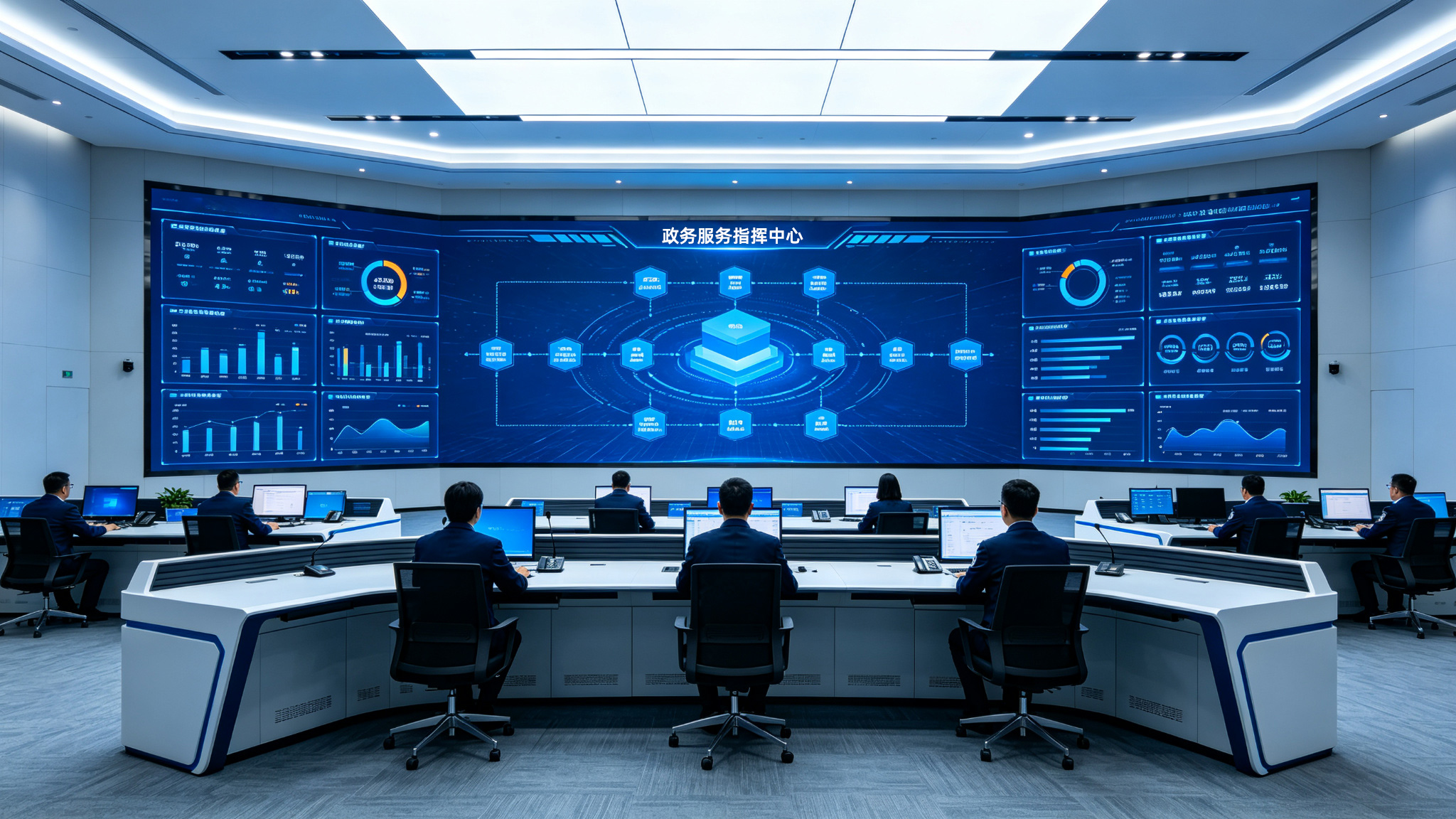
Government service halls commonly feature large glass curtain walls and high ceilings, with direct natural light during the day and high-color-temperature ceiling lighting at night, resulting in significant illumination variations across different areas and times. Traditional LCD displays tend to reflect light and appear washed out under strong light, while conventional LED screens, though bright enough, suffer from severe color temperature drift and cause visual fatigue over extended viewing. During a 2023 renovation of a prefecture-level city government service center, the information display area originally used multiple 55-inch LCD video walls. After 10 AM on sunny days, screens near the windows were almost unreadable due to direct sunlight, causing citizens to miss queue numbers and file complaints. Additionally, with a hall ceiling height exceeding 6 meters, the original screens were mounted high, creating steep viewing angles that further
Delivery Highlights
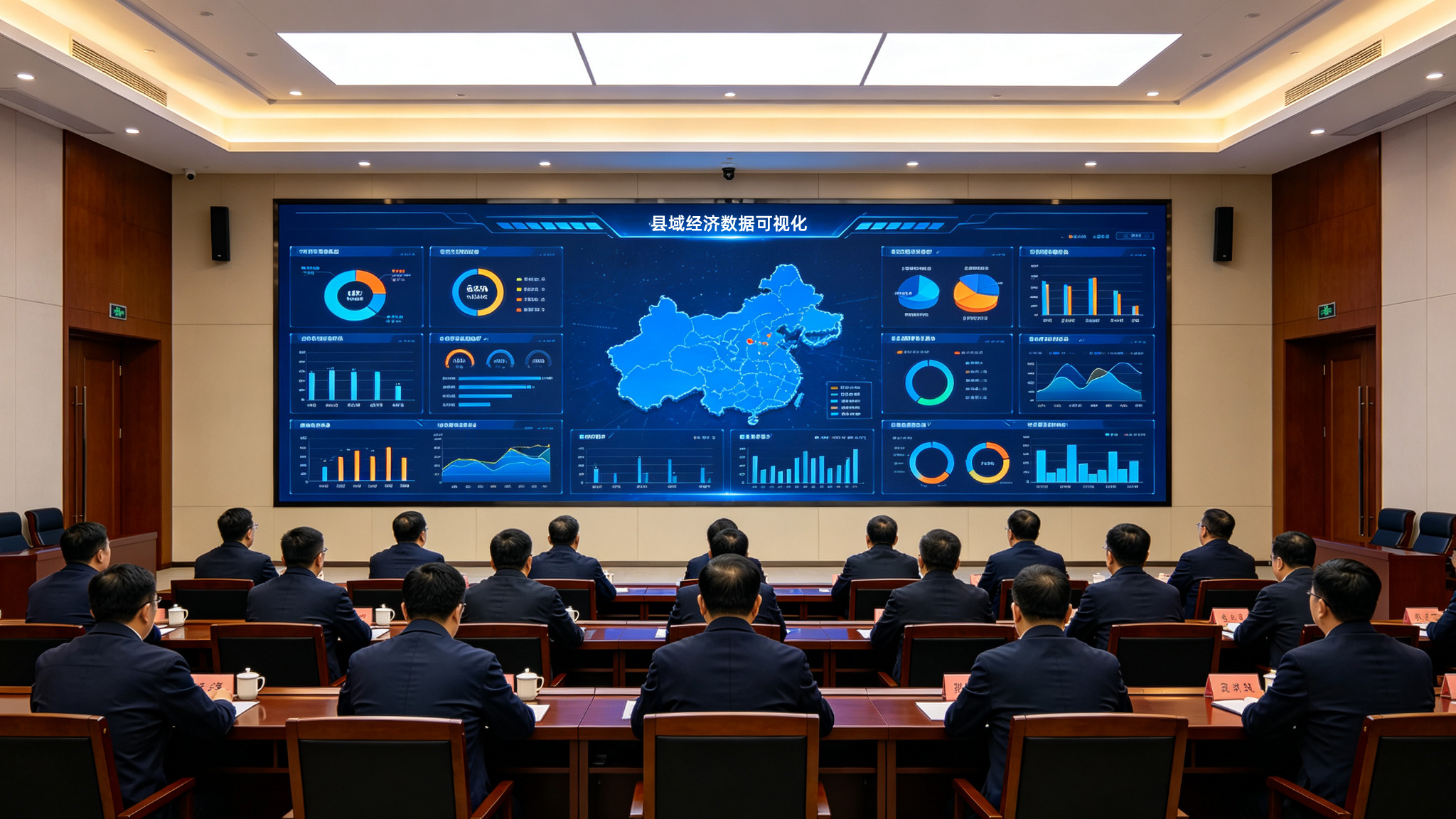
The most notable delivery highlight of Stonbel's COB fine-pitch display project for government service halls is the combination of an 'ambient light adaptive system' and 'scene-specific color temperature presets.' For different functional zones—ticketing, waiting, service windows, and leadership inspection areas—we preset multiple display modes. In the ticketing area, where people move quickly and need to identify numbers fast, the display operates in high-brightness mode (auto-boosted to 1200cd/m²) with a cool white color temperature (8000K) for heightened visual stimulation. In the waiting area, to ease anxiety and protect eyesight, the display switches to a low-brightness comfort mode (600cd/m²) with a warm white temperature (5000K), producing a soft image that is
Core Specifications
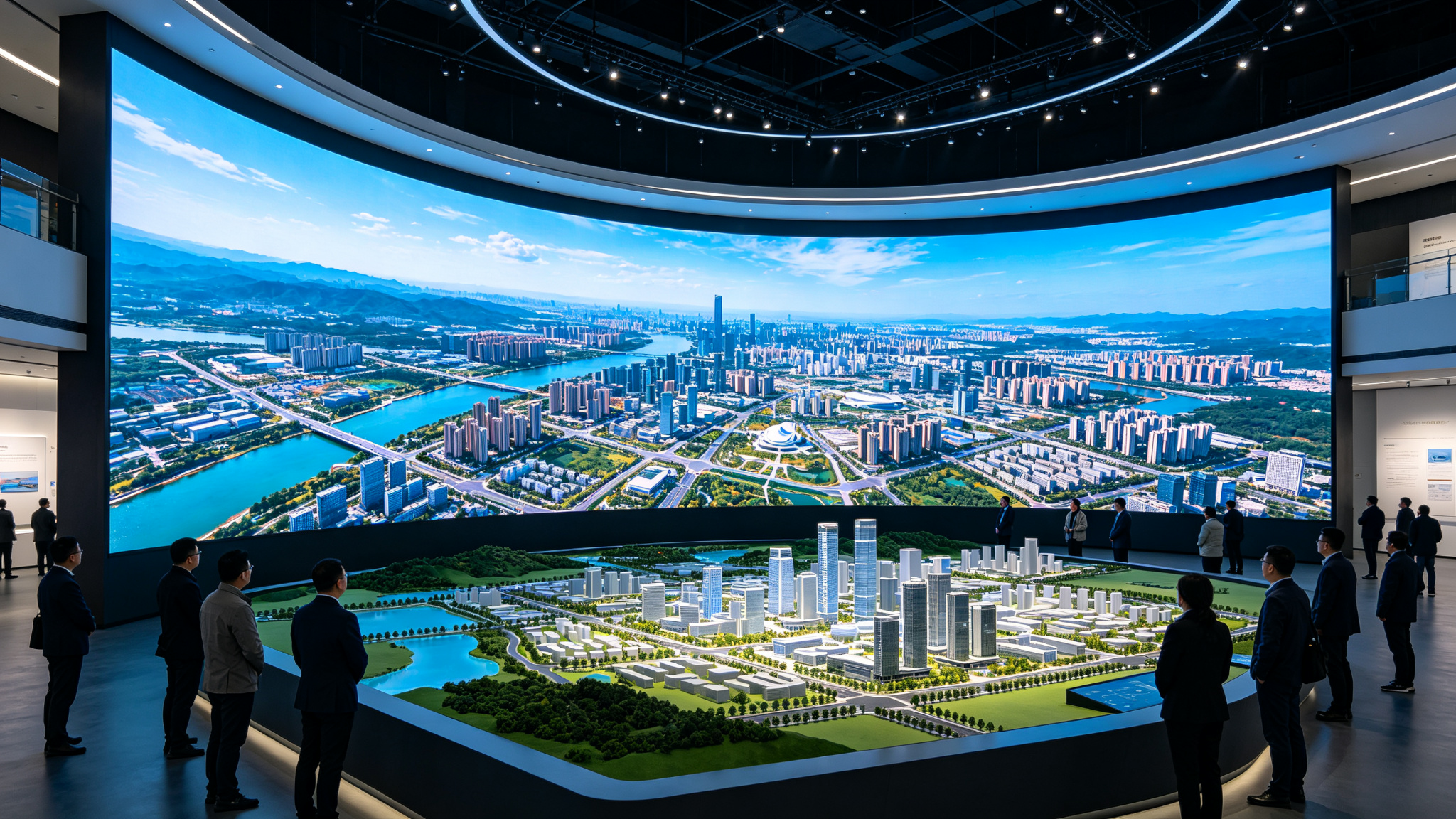
Given the complex ambient light conditions in government halls, Stonbel's COB fine-pitch displays are optimized in core specifications. First, pixel pitch covers P0.7-P1.8, with P1.2 and P1.5 being the most common for government halls—P1.2 suits information query screens viewed within 2 meters, while P1.5 fits wayfinding displays viewed from 3-5 meters. The refresh rate reaches 3840Hz, eliminating scan lines for both human viewing and camera capture—critical for video conferences or media interviews in the hall. Brightness is adjustable from 0 to 1200cd/m², with intelligent auto-brightness that uses a built-in light sensor to detect ambient illuminance and adjust accordingly. For instance, under strong daylight, brightness automatically rises above 1000cd/m²; after evening lights turn on, it
Customer Feedback
After delivering multiple government hall projects, we gathered genuine feedback from IT management departments and frontline window staff. The IT section head of one municipal government service center noted: 'Previously with LCD video walls, glare was severe every afternoon, and citizens often couldn't read the numbers. We had to close the curtains, which compromised natural light in the hall. After switching to Stonbel's COB fine-pitch displays, the picture remains sharp and clear even on sunny days without curtains, and the color temperature looks comfortable—citizen complaints have dropped noticeably.' A maintenance engineer added: 'The auto-brightness feature is very practical—brightness changes automatically
Q1: What brightness (in nits) should a COB fine-pitch display for government halls have?
A: Given the complex ambient light in government halls, choose a model with brightness between 800-1200cd/m² (nits) and auto-adjustment capability. Stonbel's COB fine-pitch display covers 0-1200cd/m² with intelligent auto-brightness that adapts to ambient illuminance, ensuring clarity while saving over 30% energy. The exact value depends on window placement and lighting design—areas near windows may need above 1000cd/m², while interior zones can be set to 600-800cd/m².
Q2: How should color temperature be adjusted for natural-looking images on government hall displays?
A: For government halls, set color temperature between 5000K-6500K as the standard white balance. Stonbel's COB fine-pitch display supports a wide 3000K-10000K range with three presets: Standard, Warm, and Cool. During bright daylight, cool white (above 6500K) enhances clarity; toward evening or under warm lighting, switch to warm white (5000K) to reduce visual fatigue. Key is uniformity across the screen—Stonbel uses point-by-point calibration to ensure ΔE<3, preventing color shifts.
Q3: What advantages does a COB fine-pitch display offer over traditional SMD screens in government halls?
A: COB fine-pitch displays use chip-level packaging, sealing LEDs directly onto the PCB board with a hard, flat surface. This provides significantly better dust, moisture, and static resistance than SMD screens. In the dusty, high-traffic environment of government halls, COB screens have a lower dead-pixel rate and a lifespan exceeding 100,000 hours. Additionally, COB's anti-glare treatment suppresses ambient light reflection, delivering higher contrast and clearer images under strong light. Stonbel's COB display achieves a 3840Hz refresh rate with no scan lines, making it suitable for video recording.
Q4: How should mounting height and viewing distance be determined for COB fine-pitch displays in government halls?
A: Mounting height depends on hall ceiling height and viewing distance. Generally, the bottom of wayfinding displays should be at least 2.5 meters above the floor to avoid obstructing sightlines. Viewing distance correlates with pixel pitch: P1.2 suits 2-4 meters, while P1.5 fits 3-6 meters. Stonbel provides on-site surveys and viewing angle analysis, assisting integrators free of charge to determine optimal placement. For halls with ceilings above 6 meters, front-access maintenance mounting is recommended for easier servicing.
Selecting and tuning COB fine-pitch displays for government halls is a systematic balance of brightness, color temperature, and ambient light. Stonbel leverages its manufacturing expertise and project experience to offer a standardized process: measuring ambient light, applying zoned brightness, and presetting color temperature modes. This helps integrators move beyond guesswork. From sunlit queueing areas to softer waiting zones, Stonbel delivers tailored solutions. A well-adapted display enhances efficiency and conveys professionalism and care in public service. Stonbel remains committed to full-cycle support for integrators in future digital government projects.