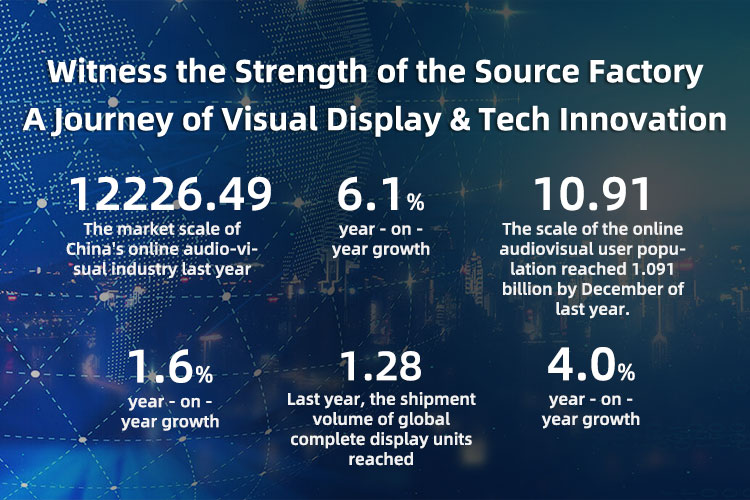
Station hubs, as urban gateways, require professional display systems that affect passenger experience and operational efficiency. Stonbel, with proprietary COB packaging, full pixel-pitch coverage, and end-to-end service from R&D to delivery, provides reliable COB fine-pitch display solutions for system integrators and AV contractors. From P0.7 to P1.8 flexibility, IP55 protection, 3840Hz refresh rate, to intelligent brightness and color temperature adaptation, every parameter is tailored for station scenarios. Choosing Stonbel means quality assurance and profit margins from a source manufacturer, plus trustworthy display quality for every station project.
Station Display Challenges: Ambient Light and Information Density
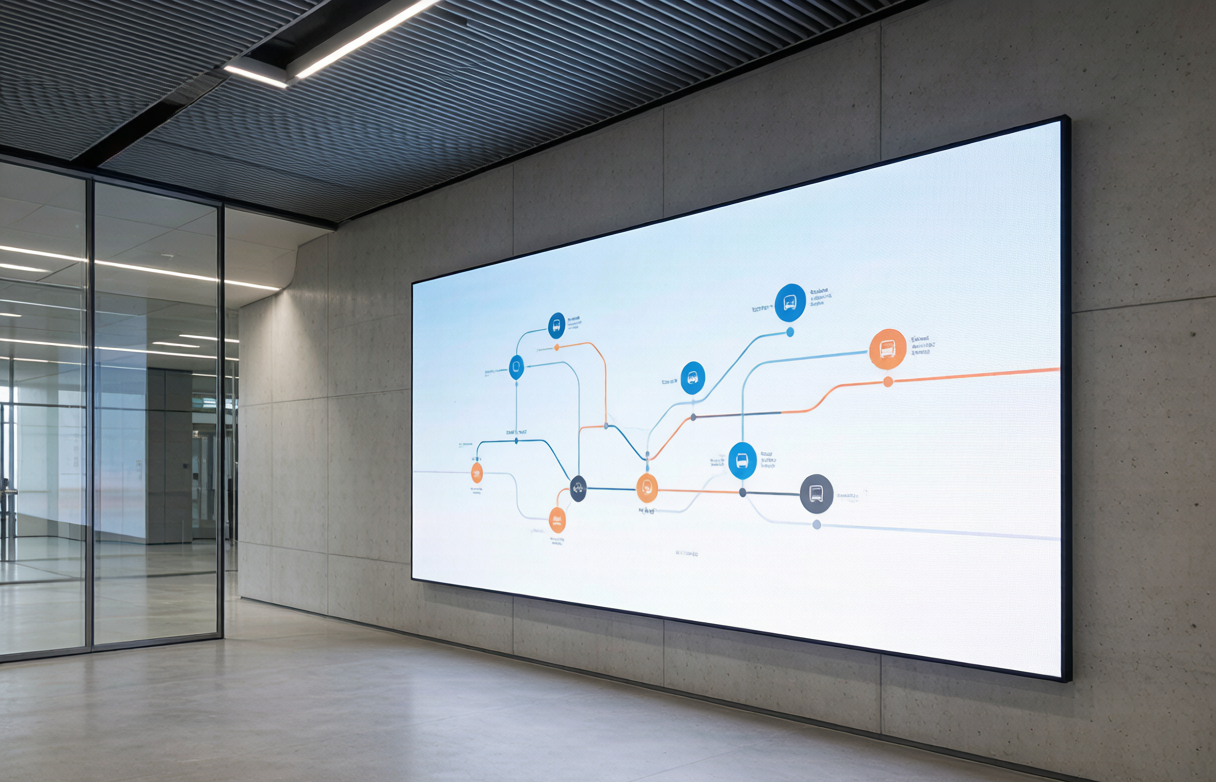
Station display environments are far more complex than typical indoor settings. During the day, sunlight can stream through glass facades, pushing ambient light levels above 20,000 lux. At night, low-light conditions in waiting areas demand screens that do not glare. This extreme contrast requires precise dynamic adjustment. During site surveys, Stonbel identified two common issues with existing station displays: fixed-brightness screens that wash out at midday, and auto-dimming units with slow light sensors that cause distracting flicker. Stations also feed multiple signal sources—train schedules, platform
Brightness Selection: Designing a Dynamic Range from 1500 to 100 Nits
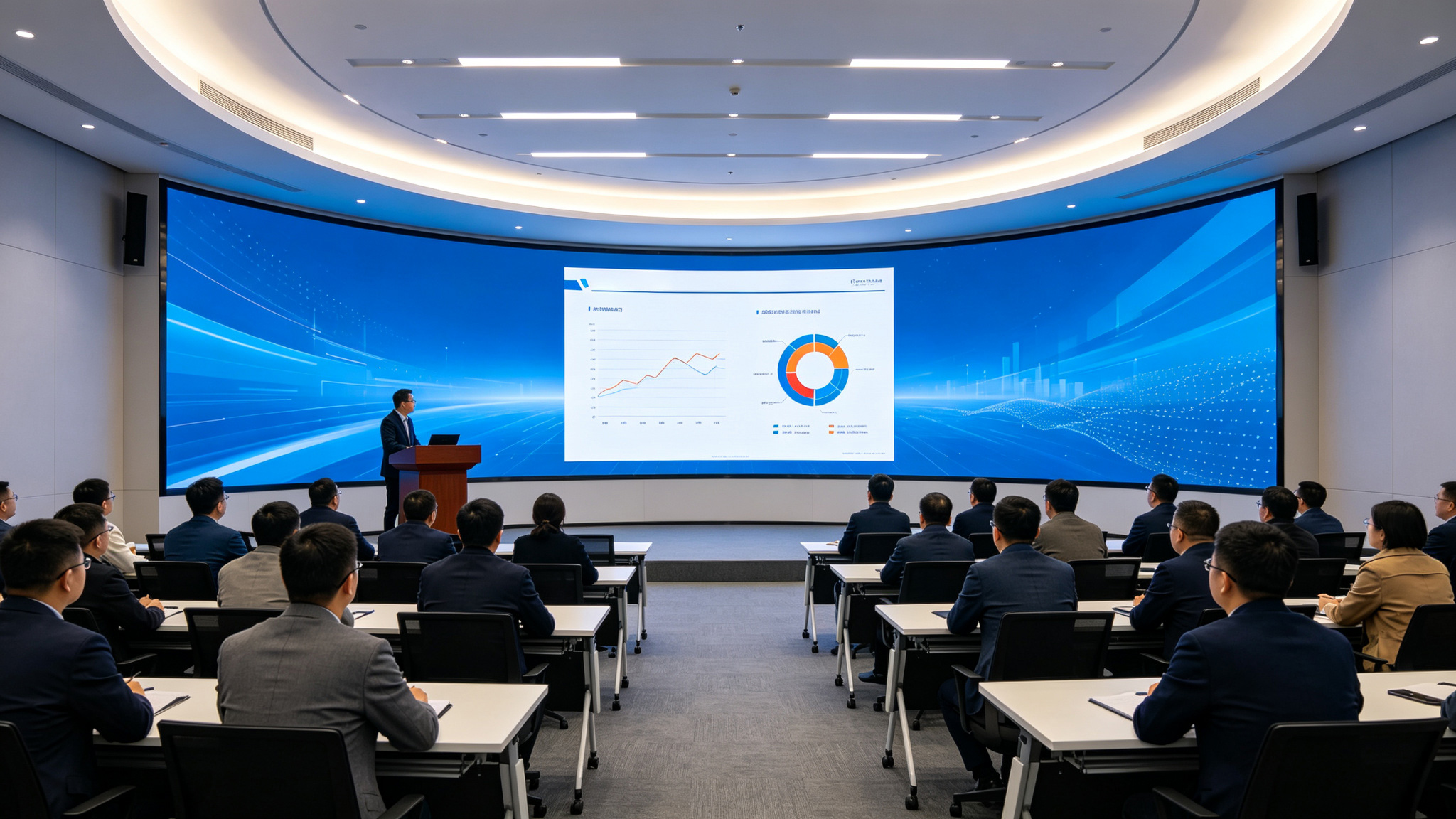
Brightness is not about going higher—it must match the light profile of each station zone. Based on past projects, Stonbel has developed a zone-based selection guide. In naturally lit areas like entrance halls and ticket offices, peak brightness should be at least 1500 nits to counter washout. In indoor waiting areas with stable artificial lighting, 1200 nits is sufficient. For underground platforms or nighttime use, minimum brightness should drop to 100 nits to prevent glare. Stonbel's COB fine-pitch displays for
Color Temperature Control: Precision from 6500K to 4000K
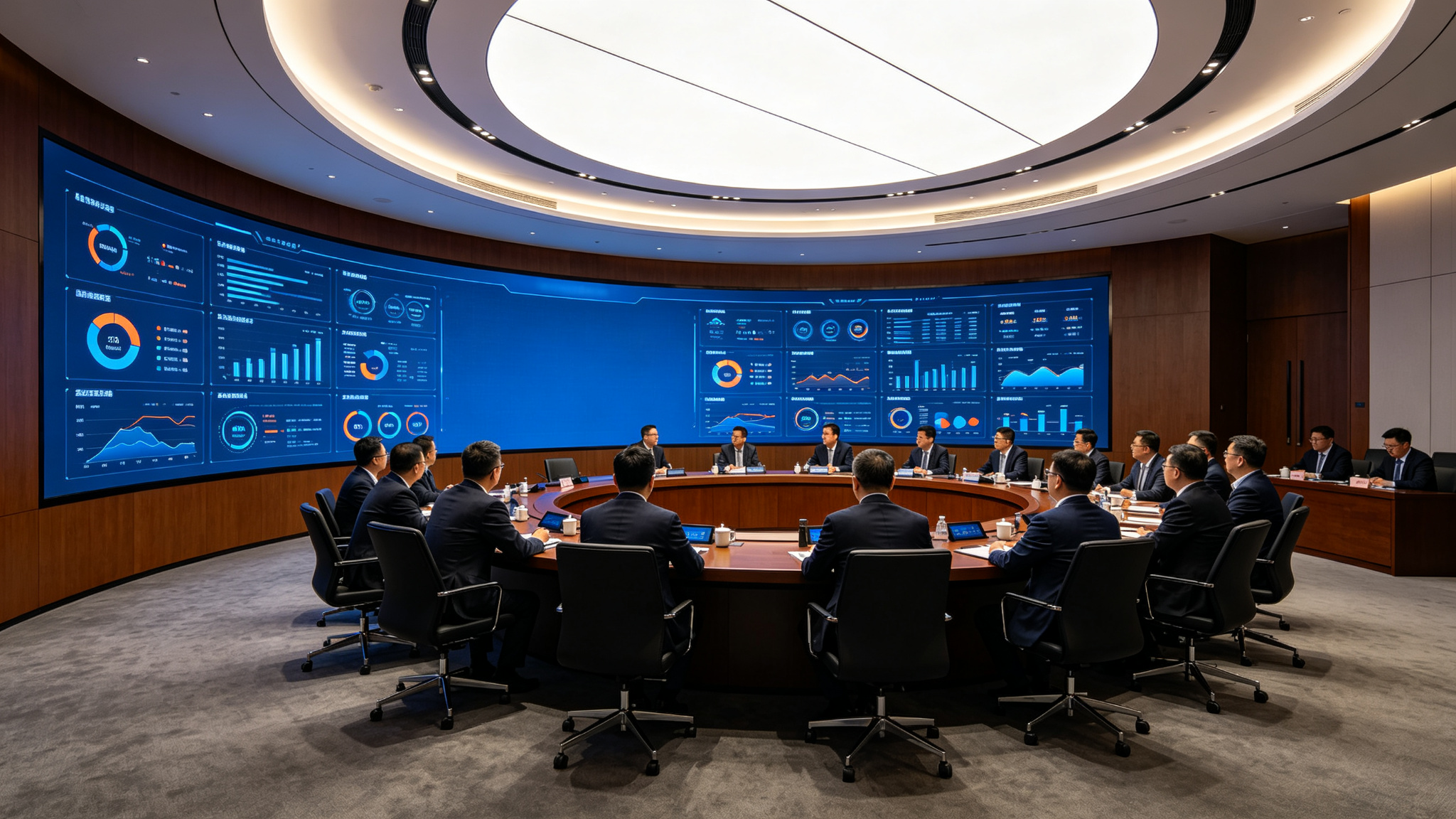
Color temperature directly affects color accuracy and viewer comfort, yet it is often overlooked in station display selection. Stonbel's technical team recommends: during daylight, set color temperature between 5500K and 6500K to match sunlight, ensuring natural colors and maximum legibility of train information and signage. At night, lower it to around 4000K to reduce blue light and minimize eye strain during prolonged viewing. Stonbel's COB fine-pitch displays support a wide range from 3000K to 6500K with multiple preset scene modes. In smart mode, the screen automatically matches a color temperature
Technical Foundation and Engineering Support: From Military-Grade Protection to Full-Service Delivery
Station displays typically run 24/7 and face wind, rain, dust, and temperature swings on platforms. Stonbel's COB fine-pitch displays for stations achieve IP55 protection, resisting water spray and dust ingress. For high-humidity coastal stations, Stonbel offers enhanced anti-salt-spray packaging to prevent corrosion of LEDs and circuits. In a prior project for a coastal military base, this custom anti-salt-spray display reduced equipment failure rates by 92%
Channel Value: How Direct Factory Supply Empowers Integrators
Station display projects are typically large-scale and technically demanding, often dominated by big integrators. Stonbel's direct factory supply model is changing that. As a top-10 LED display manufacturer, Stonbel operates its own COB chip-level packaging line—from LED packaging to module assembly to final tuning—eliminating middlemen and leaving healthy margins for partner integrators. We also enforce a regional project registration protection mechanism, securing integrators' returns in local markets and preventing poaching. For smaller integrators with limited technical resources, Stonbel provides free,
Q1: How should brightness be selected for station COB fine-pitch displays?
A: Brightness selection must match actual ambient light conditions—there is no one-size-fits-all. Stonbel recommends dividing a station into three light zones. First, naturally lit areas like entrance halls and ticket offices have high ambient light; peak brightness should be at least 1500 nits, otherwise the screen washes out and train schedules become unreadable. Second, indoor waiting areas with stable artificial lighting need only 1200 nits for clear
Q2: What are the considerations for color temperature adjustment on station COB displays?
A: Color temperature affects color accuracy and viewing comfort, so it must adapt to the light environment at different times. During daylight, ambient color temperature is high (around 5500K-6500K), so the display should be set to 5500K-6500K for natural colors and maximum legibility of train information and signage, avoiding misreads from color shifts. At night, ambient color temperature is lower (around 3000K-4000K), so the display should drop to about 4000K to reduce blue light and prevent eye strain during prolonged viewing.
Q3: What protection ratings are required for COB displays in station environments?
A: Stations include indoor waiting areas and semi-outdoor platforms, each with different protection needs. Platform areas are semi-outdoor and require protection against dust, rain, and salt spray. Stonbel's station COB fine-pitch displays achieve IP55 protection, resisting dust ingress and water spray for stable operation in harsh weather. For coastal stations with high humidity and salt spray, Stonbel offers enhanced anti-salt-spray packaging with special coating on PCBs and LEDs to prevent corrosion and extend lifespan. In a prior
Q4: How can low-voltage integrators secure bidding qualifications and delivery for station display projects?
A: Stonbel provides full-process bidding and delivery support to ensure compliance and on-time completion. During bidding, Stonbel provides full certification documents and test reports at no cost—including 3C, CE, FCC, ISO9001, ISO14001, ROHS, and military-related qualifications where applicable—helping integrators pass qualification reviews quickly without hiring dedicated bid specialists. For station projects with information security requirements, Stonbel offers chip-level encrypted transmission modules and confidential production and delivery qualifications to meet sensitive data
Station hubs, as urban transit arteries, depend on display quality for passenger experience and operational efficiency. Stonbel, with proprietary COB packaging, full pixel-pitch coverage (P0.7-P1.8), and end-to-end service, offers reliable COB fine-pitch display solutions for integrators and AV contractors. From 1500-nit to 100-nit smart brightness adjustment, 6500K to 4000K dynamic color temperature adaptation, to IP55 protection and military-grade anti-salt-spray customization, every parameter is tailored for stations. Stonbel provides not just hardware but a full service chain including bid qualification support, rapid delivery, localized maintenance, and lifetime after-sales. Choosing Stonbel means source-factory quality and profit margins, delivering dependable display quality for every station project. Moving forward, Stonbel will continue to deepen its focus on transit hub scenarios, driving professional, intelligent, and greener display systems for China's transit networks.