Stage LED displays outperform LCD video walls in high-end settings through seamless visuals, ultra-high refresh rates, and adaptable shapes. Stonbel, a top-10 Chinese LED display manufacturer, delivers professional solutions featuring P0.7 ultra-fine pixel pitch and 7680Hz refresh rate. This article compares the technologies, examines industry practices, and highlights real cases to show why stage LED displays dominate premium applications—and how source factories drive innovation through packaging processes and full-service support.
Technology Comparison: Stage LED vs. LCD Video Walls
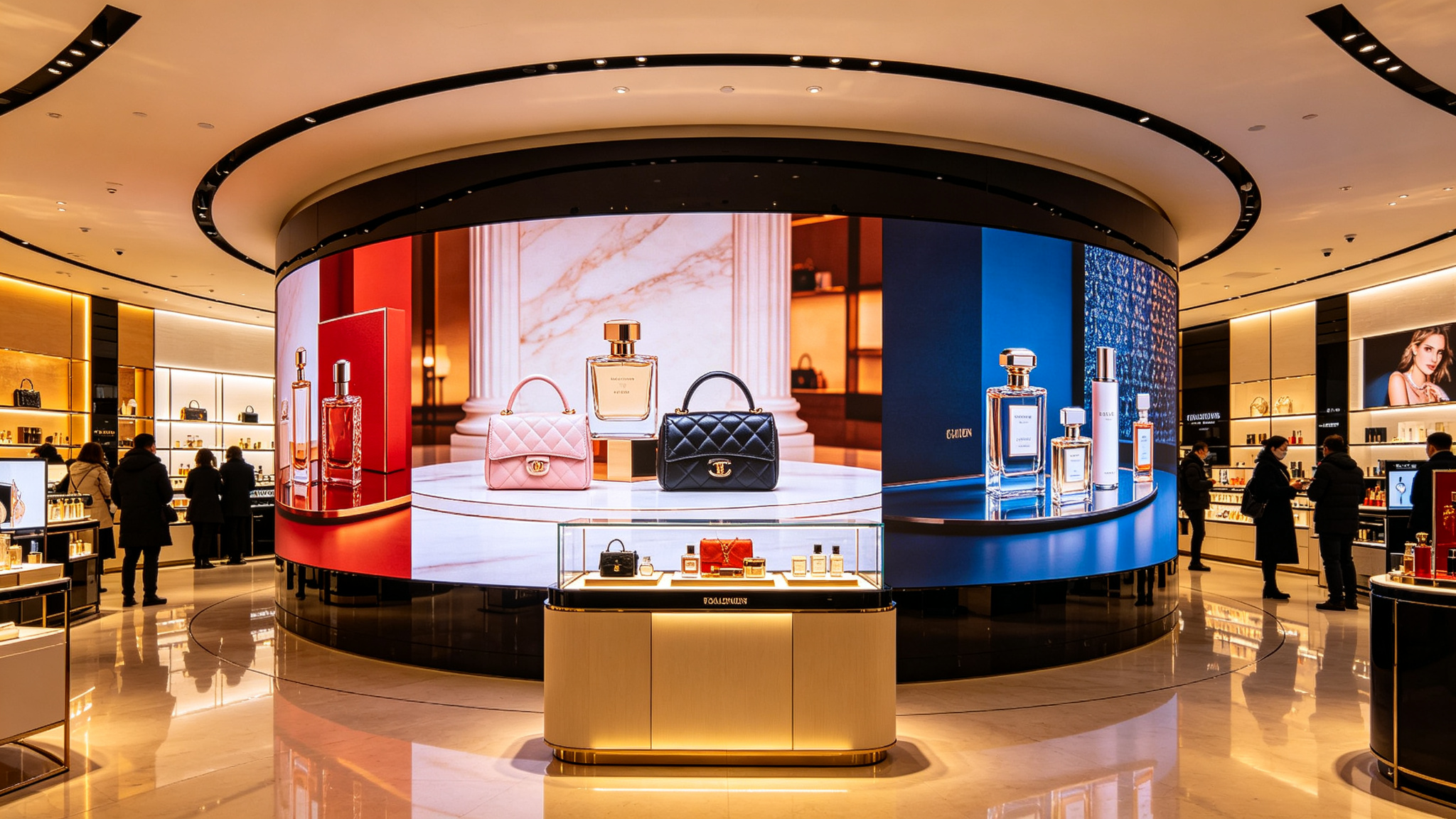
The fundamental difference between stage LED displays and LCD video walls lies in their imaging principles and structural form. LCD video walls rely on liquid crystal molecule deflection for light modulation, and the bezels of each screen create unavoidable physical seams that can cut through subjects in close-ups or data charts, disrupting visual continuity. Stage LED displays, in contrast, use self-emissive pixel arrays with modules precisely calibrated for a visually seamless appearance. With pixel pitches as fine as P0.7, they deliver high pixel density and remain sharp even at close viewing distances. In terms of brightness, typical commercial
Packaging Technologies: SMD, COB & GOB for Diverse Stage Needs
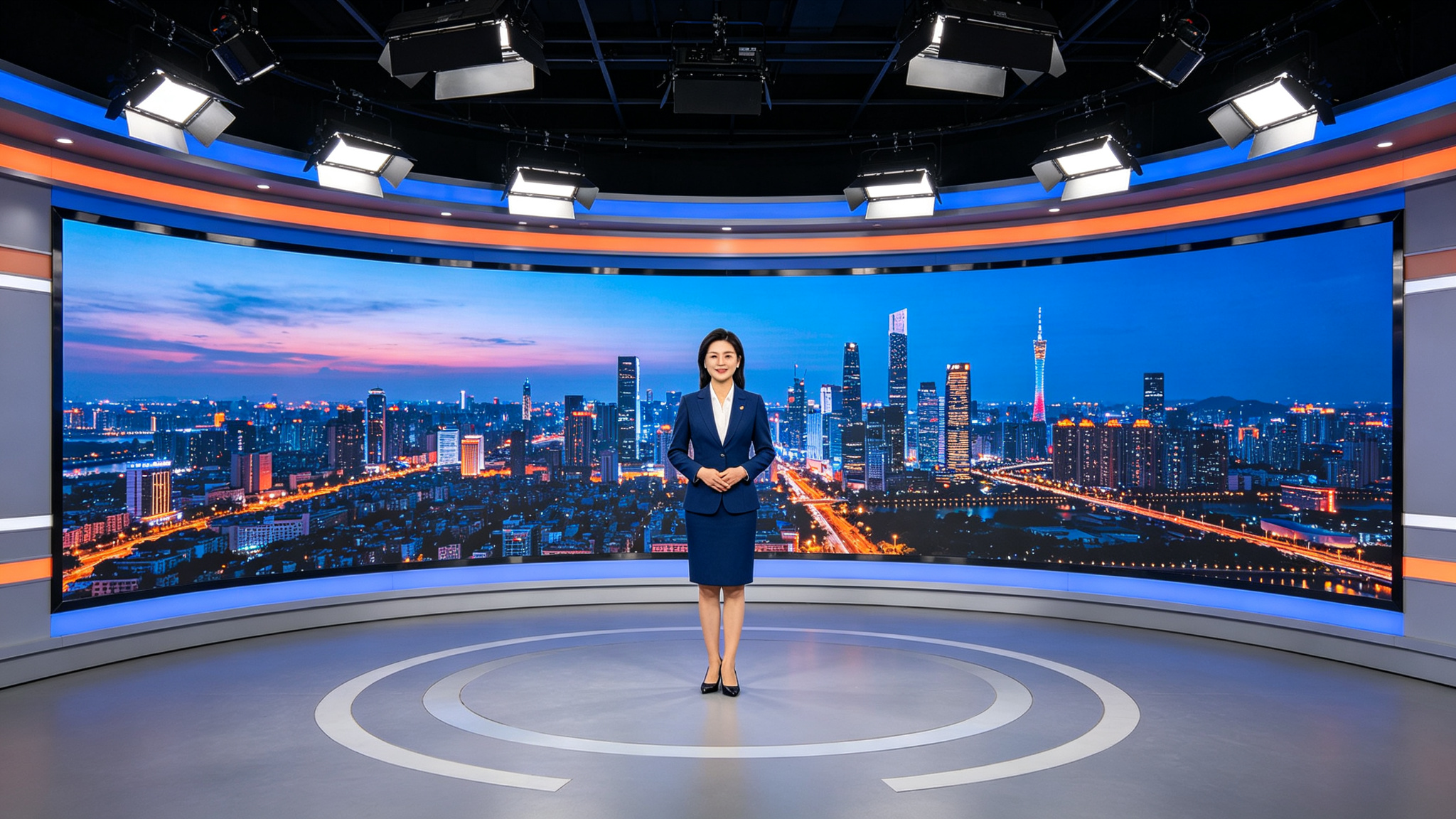
The complex and varied stage environment, from indoor studios to outdoor music festivals, imposes different requirements for protection, image quality, and cost. Stonbel leverages three mainstream packaging technologies to build a technology matrix covering all scenarios. SMD packaging uses surface-mounted lamp beads individually soldered onto the PCB. This mature technology offers controllable costs and a wide adjustable brightness range, with outdoor models customizable to over 8000cd/m². For the Strawberry Music Festival national tour, Stonbel
Customization & Smart Interaction: Unleashing Stage Creativity
Stage LED displays have long surpassed the limitations of flat rectangles, evolving towards irregular shapes, interactivity, and intelligence. Stonbel supports customization for special forms like irregular-shaped LED screens, crystal film screens, holographic screens, grille screens, and floor screens. We use 3D modeling and structural simulation to ensure the feasibility of irregular designs and offer various installation methods including attachment, suspension, embedding, and floor mounting. In the Zhangjiajie Cave project, a GOB curved screen was installed to follow the cave's natural contours. Integrated with a human-body induction system in the interactive floor screen, it enabled step-triggered
Rapid Deployment & Reliable Service: Ensuring Event Success
Temporary events like concerts, sports events, and product launches demand extreme efficiency in setup time and equipment reliability. Stonbel rental screens feature die-cast aluminum cabinets, each weighing ≤8kg with a thickness of ≤28mm. They support tool-free rapid splicing at a rate of 10 seconds per cabinet, achieving a seam accuracy of ≤0.1mm. They also allow for curved splicing from -15° to +15° to suit various stage structures. During the Strawberry Music Festival tour, a complete 400㎡ screen was assembled in just 2 hours per venue, significantly shortening preparation lead times. Front-access service design facilitates quick module replacement during events.
Industry Engagement & Ecosystem: Advancing Stage Display Standards
As a top-10 Chinese LED display company, Stonbel is a regular participant in professional exhibitions like InfoComm China and the Guangzhou International Lighting & Sound Exhibition. Beyond showcasing cutting-edge products, we engage in technical forums to discuss the future of stage display technology with industry experts. The company actively contributes to discussions on group standards and industry norms, integrating practical experience in COB packaging and high-refresh-rate drivers into standard formulation. This helps establish a unified evaluation
Q1: Which is more suitable for high-end applications: stage LED displays or LCD video walls?
A: Stage LED displays are more suitable. High-end applications like concerts and launches require seamless images, high refresh rates, and high brightness. Stage LED displays offer pixel pitches down to P0.7 and refresh rates of 7680Hz, delivering scan-line-free, detailed images. LCD video walls have physical seams and limited brightness, making them prone to glare under stage lights. Stonbel's COB stage LED displays can achieve IP65 protection for complex stage environments. For example, in a provincial emergency command center project, a 150㎡ COB P1.2 video wall provided seamless splicing, with 4K input and 7680Hz refresh rate ensuring smooth, lag-free monitoring,
Q2: Why is the refresh rate important for stage LED displays?
A: The refresh rate determines image smoothness and camera capture quality. Low refresh rates on standard displays cause black scan lines visible to cameras, ruining broadcast footage. Stage LED displays need to reach 3840Hz or higher. Stonbel products support an ultra-high 7680Hz refresh rate, ensuring no motion blur or scan lines in fast-moving scenes, meeting the demands of professional videography and live streaming. For example, the 400㎡ SMD P3.91 outdoor rental screen at the Strawberry Music Festival used a 7680Hz refresh rate, ensuring clean, flicker-free live broadcast images even when capturing fast-moving performers or spinning lights.
Q3: How do stage LED displays handle outdoor or complex environments?
A: Outdoor stages often face challenges from rain, dust, and high humidity. Stonbel stage LED displays offer IP65 protection. GOB packaging creates a sealed layer over SMD lamp beads, providing dustproof, moisture-proof, and impact-resistant properties. Outdoor models can be customized to over 8000cd/m² brightness for clear visibility in strong sunlight. The Zhangjiajie Cave project is a prime example: the cave's high humidity and dust caused frequent failures in traditional screens. Stonbel customized a 30㎡ GOB
Q4: Is installation and maintenance of stage LED displays complex?
A: Stonbel designs lightweight die-cast aluminum cabinets for stage rental. Each cabinet weighs ≤8kg with a thickness of ≤28mm, supporting tool-free rapid splicing at 10 seconds per cabinet with seam accuracy of ≤0.1mm. They allow curved splicing from -15° to +15° to fit various stage structures. In the Strawberry Music Festival project, a 400㎡ screen was fully assembled in just 2 hours per venue, significantly shortening preparation time. Front-access design simplifies maintenance, allowing any module to be replaced from the front without disassembling the entire screen. For fixed installations, Stonbel
The choice between stage LED and LCD video walls ultimately reflects differing pursuits of visual excellence. In high-end performances, cultural tourism, and emergency command centers, seamless immersive images, smooth high-refresh playback, robust protection, and creative custom shapes give stage LED displays irreplaceable value. Stonbel leverages SMD, COB, and GOB packaging technologies, with P0.7 pixel pitch, 7680Hz refresh rate, and IP65 protection as core specs, validated by projects like Strawberry Music Festival, Zhangjiajie caves, and provincial emergency command centers. As a top-10 Chinese LED brand, Stonbel continues advancing stage display through industry standards, lightweight structures, and smart interaction—transforming screens from tools into experience engines.