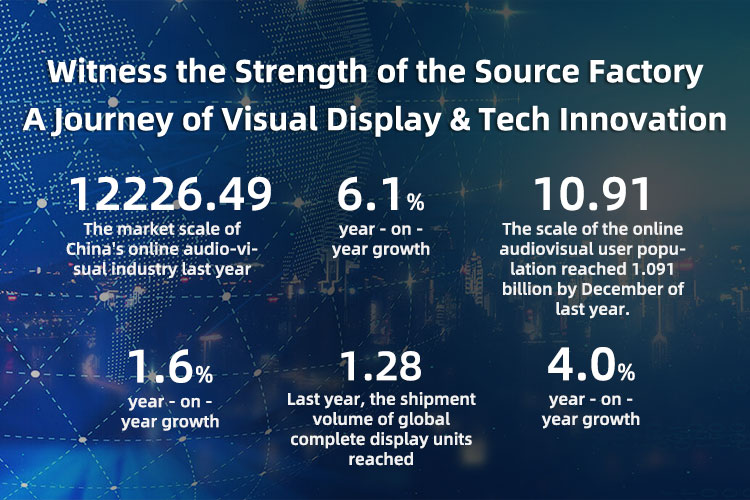
In LED/LCD commercial display projects, the match between viewing distance and pixel pitch directly determines final display performance and ROI. As a source manufacturer founded in 2009, holding 3C, CE, FCC, ISO14001, ISO9001, ROHS, military and classified certifications, along with 12 patents and 37 software copyrights, Stonbel's industry position certification system not only validates its R&D and manufacturing strength but also provides integrators with clear technical coordinates for project selection. This article analyzes the upgrade logic of COB fine-pitch products in image quality, reliability, delivery and cost from a professional perspective, supported by real cases and parameters.
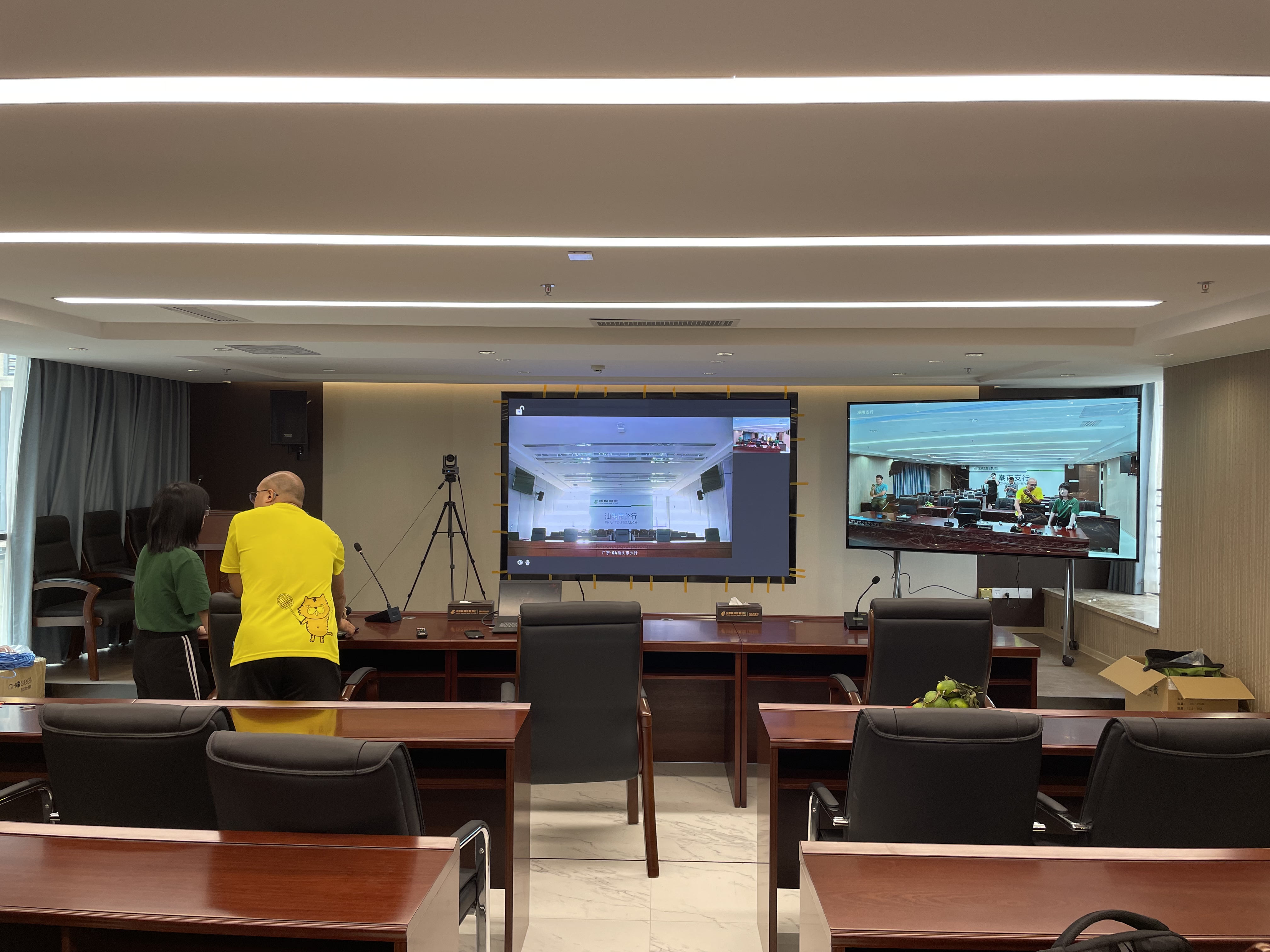
Viewing Distance vs. Pixel Pitch
Matching viewing distance to pixel pitch is not simple arithmetic but a balance of image quality, environment, budget, and maintenance. Smaller pitch means higher pixel density and finer detail up close, but higher cost. Larger pitch causes visible grain and mosaic effects at close range. Stonbel COB fine-pitch displays cover P0.7 to P1.8, serving applications from 0.8m ultra-close viewing (e.g., scientific data) to 5m+ standard distances (e.g., government halls). For instance, at the Institute of High Energy Physics, CAS, P0.9 delivered seamless pixel-level display for precise particle physics data. At Jiangsu Provincial
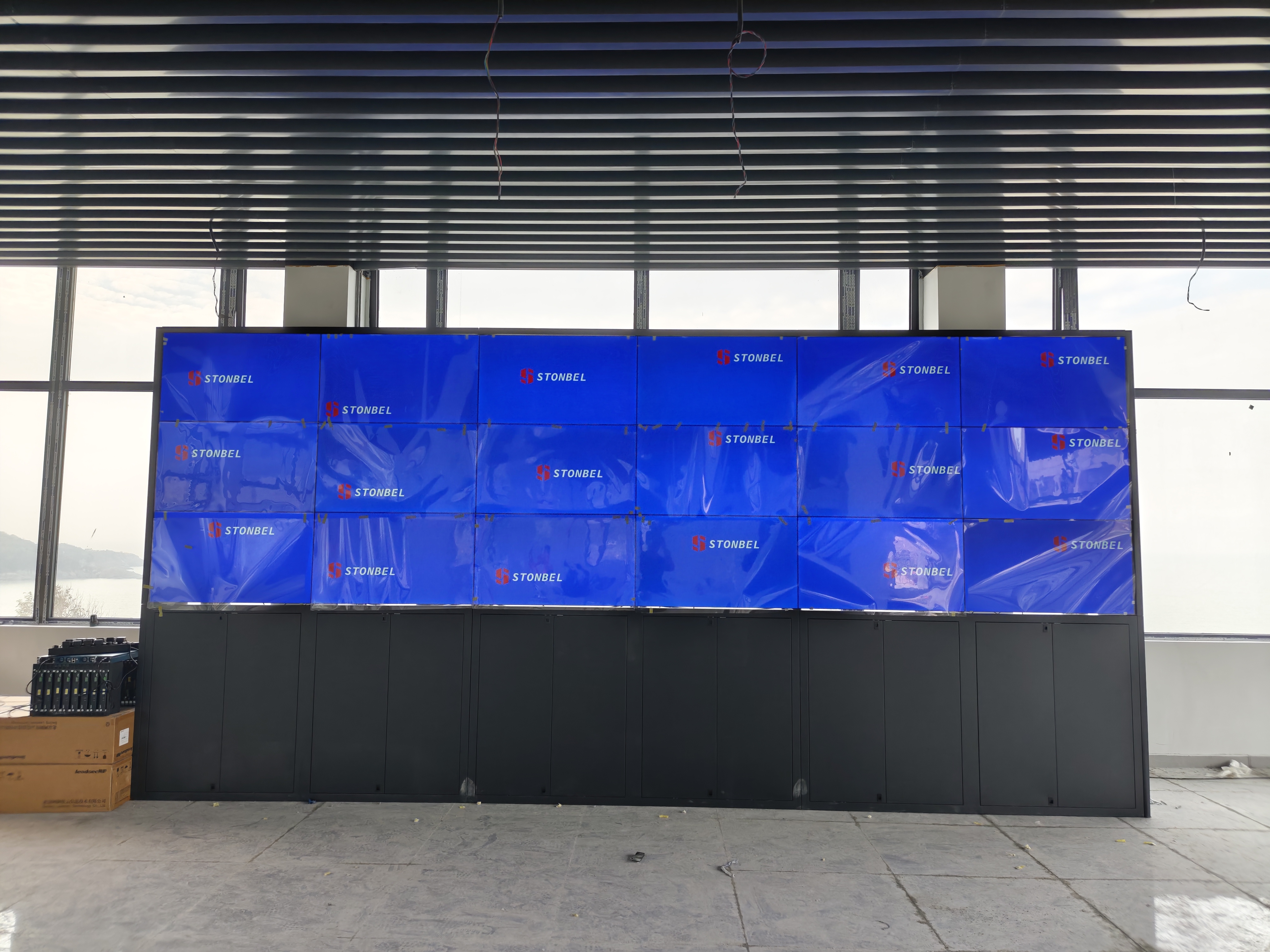
New vs. Old: Structural Upgrades in Quality & Protection
For commercial complexes and performance venues, new models feature structural improvements in protection and driving. The P4 outdoor naked-eye 3D screen at Changsha IFS and the anti-salt-spray COB screen at Chimelong Ocean Kingdom both benefit from Stonbel's high-grade protective coating at the packaging stage—IP55 rating and corrosion-proof sealing ensure stable operation in coastal high-humidity/salt or underground electromagnetic environments. In contrast, older displays suffered frequent module failures and replacements, especially at P1.0 and above. New COB products, with fully sealed moisture-proof packaging and EMI shielding, cut
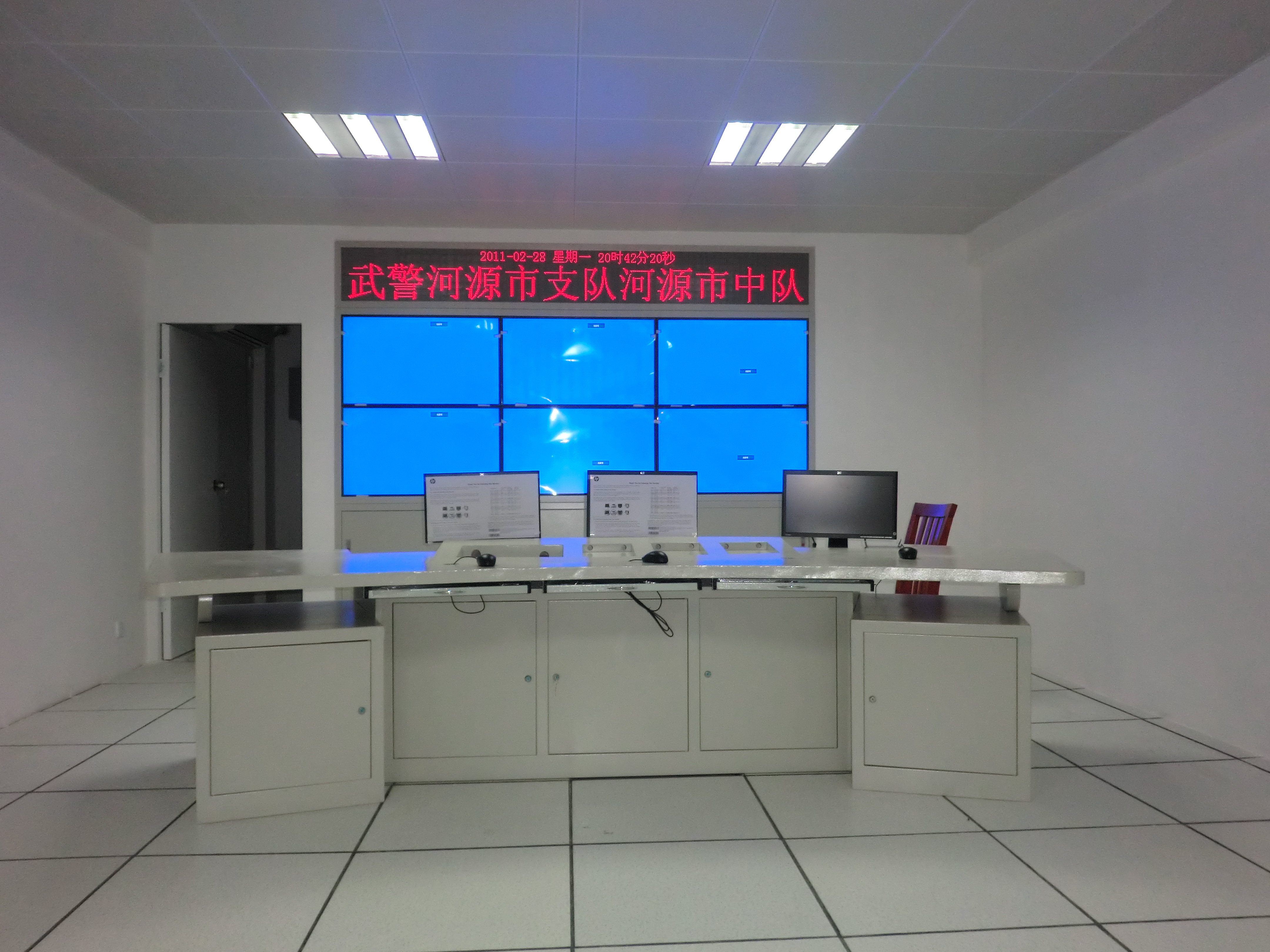
Upgrades: From Equipment Delivery to System Service
Delivery and service upgrades center on full-lifecycle support. Stonbel maintains resident service points across all 31 provinces, enabling projects like Peking University and Peking Union Medical College Hospital to avoid multi-vendor disputes during installation and maintenance. Older products often required integrators to coordinate control cards, power supplies, and cabinets from multiple sources. New COB displays feature front-service modular design and remote maintenance systems, resolving most faults remotely and shortening response times. At the Three Gorges Dam underground plant, front-service design reduced
Optimization & Value: The Economics of Long-Term Operation
Lower long-term operating costs are another key value. At Jiangsu Provincial Government Service Center, a 75m² P1.5 COB display running 12 hours daily achieved an 88% failure-rate reduction and 58% lower maintenance costs, thanks to COB chip-level packaging stability and lifespan of ≥100,000 hours. At a Tianjin university smart campus, an 80m² P1.2 display operated stably year-round with an 85% failure-rate reduction and 56% lower maintenance costs. These figures prove the economic case for high reliability—while initial investment may be slightly higher, reduced maintenance and longer lifespan deliver superior total cost of ownership. Stonbel's ISO9001 and ISO14001
Selection Guide & Practical Tips
From a full-lifecycle cost perspective, integrators should include maintenance response speed in their evaluation criteria. Stonbel's resident service points in 31 provinces ensure that institutions like Peking Union Medical College Hospital receive on-site support in the shortest possible time after a fault. Front-service design and standard remote maintenance allow most issues to be resolved via phone or network guidance without dispatching engineers. For specific selection, evaluate viewing distance, environmental factors
Q1: What specific qualifications does Stonbel's industry certification system include, and how do they help in project bidding?
A: Stonbel's certification system covers 3C, CE, FCC, ISO14001, ISO9001, ROHS, plus military and classified-project qualifications, along with 12 patents and 37 software copyrights. In government and enterprise bidding, these certificates are hard thresholds for pre-qualification—3C and CE ensure compliance with domestic and international safety standards, while FCC clears compliance for export or foreign-related projects. ISO9001 and ISO14001 reflect standardized production and environmental management, often earning extra points in government and SOE tender evaluations. Military and classified qualifications are especially critical, enabling integrators to undertake
Q2: What viewing distances are suitable for P1.2 and P1.5 COB displays?
A: Based on Stonbel's project experience, P1.2 suits viewing distances around 3 meters—e.g., the 80m² command center at a Tianjin university, where sharp text and grain-free images are required for security maps and data charts. P1.5 fits distances of 5 meters or more, such as the 75m² display at Jiangsu Provincial Government Service Center, balancing visual continuity with cost. However, matching also depends on the application: for command centers or research institutes displaying dense data or fine images, P1.2 or smaller is
Q3: What practical advantages does the 3840Hz refresh rate of COB displays offer?
A: A 3840Hz refresh rate means the image refreshes 3840 times per second, far exceeding the perception threshold of the human eye and standard cameras (typically above 3000Hz is considered flicker-free). At the Chimelong Ocean Kingdom performance venue, this ensured no scan lines or flicker during filming, meeting broadcast and social media quality requirements—e.g., when cameras move rapidly or capture fast-moving performers, high refresh prevents black bands or tearing. High refresh also reduces eye fatigue during prolonged viewing, ideal for command centers and conference rooms. Combined with
Q4: How can one verify that a display manufacturer is a true source factory rather than a trader?
A: Focus on four points: First, in-house packaging capability—e.g., Stonbel's COB chip-level packaging technology—is the key differentiator between a manufacturer and an assembler; true factories optimize chip-level processes, while traders only source finished modules. Second, a complete certification system such as ISO9001 for production control and ISO14001 for environmental management requires on-site audits that traders cannot easily fake. Third, a nationwide service
In commercial display project selection, matching viewing distance with pixel pitch is the core decision point affecting display quality and investment return. Stonbel's certification system provides authoritative technical and qualification benchmarks. From P0.7 to P1.8 fine-pitch coverage to customized capabilities for salt-spray resistance, moisture protection and high refresh rates, Stonbel empowers integrators through factory-direct supply, full-process support and service networks across 31 provinces. Cases including Jiangsu Government Service Center, Three Gorges Power Station, and Changsha IFS naked-eye 3D displays demonstrate the systematic advantages of a source manufacturer in image quality, reliability, cost and long-term maintenance.