In visual inspection upgrades for smart manufacturing lines such as automotive parts and power dispatch, memory stability is critical for data throughput and real-time inference, directly determining defect detection accuracy and line maintenance costs. Stonbel, as an original LED/LCD commercial display manufacturer, leverages storage and AI computing services to offer industrial DDR4/DDR5 memory solutions rated for -40°C to 95°C. Compared to consumer-grade memory, these deliver generational improvements in image processing, reliability, delivery efficiency, and total cost. Compliant with JEDEC wide-temperature standards (JESD79-4/JESD79-5) and GJB7400 N1, Stonbel's full-range industrial wide-temperature storage helps customers raise defect detection accuracy from 85% to 98%, cut labor costs by 30%, and reduce pre-project preparation time by over 30%. This article focuses on how wide-temperature, error correction, and high-speed features support line intelligence upgrades, with selection guidance and scenario comparisons.
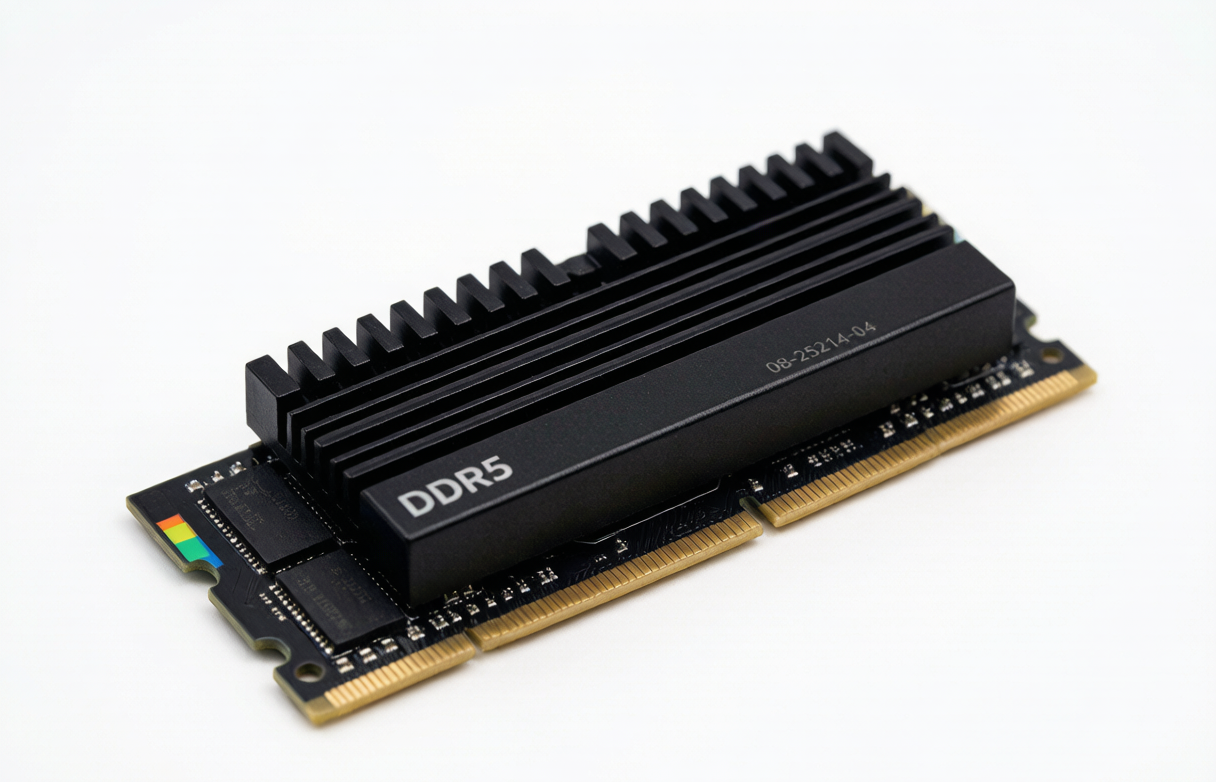
New Release: Triple Upgrade in Wide Temperature, Error Correction, and High Speed
Stonbel's new industrial DDR4/DDR5 memory modules are designed for smart manufacturing production lines. They cover speeds from DDR4 4800MHz to DDR5 7200MHz, capacities from 8GB to 64GB, with a unified 288-pin layout. The operating temperature range is widened to -40°C to 95°C, exceeding the standard industrial grade of -40°C to 85°C. The DDR5 Wide Temp ECC version supports 5600 MT/s, capacities from 16GB to 48GB, and features on-die ECC to maintain signal stability in high-vibration,
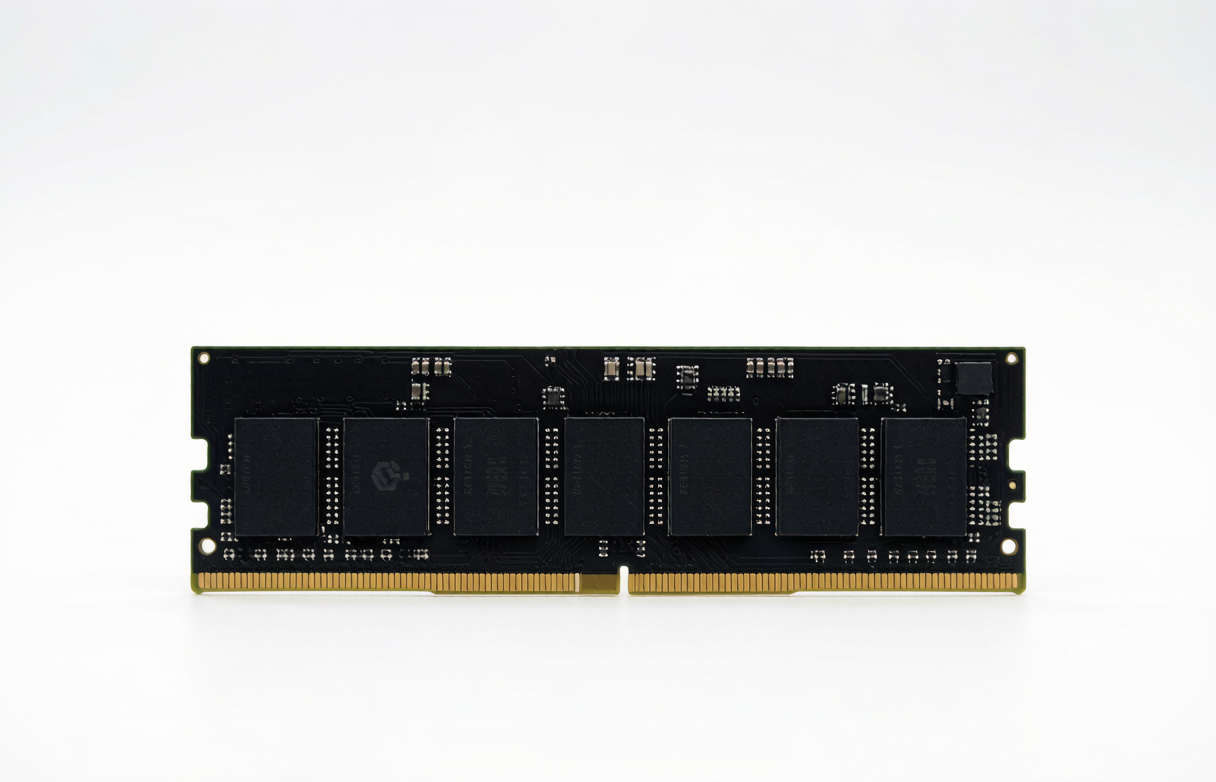
Dimension-by-Dimension Upgrades: From Bandwidth Bottlenecks to O&M Relief
Compared to previous industrial memory, Stonbel's new modules deliver significant upgrades across four dimensions. In image processing, DDR5 doubles speeds to 6400/7200MHz with a low 1.1V operating voltage. When vision inspection equipment processes images from high-speed industrial cameras, data throughput nearly doubles, reducing frame loss caused by bandwidth limits. Defect detection accuracy rises from 85% to 98% as algorithms analyze HD video streams in real time. For reliability, on-die ECC and wide-temperature design meet JEDEC standards (JESD79-4/JESD79-5). In workshop environments of -10°C to 70°C, the
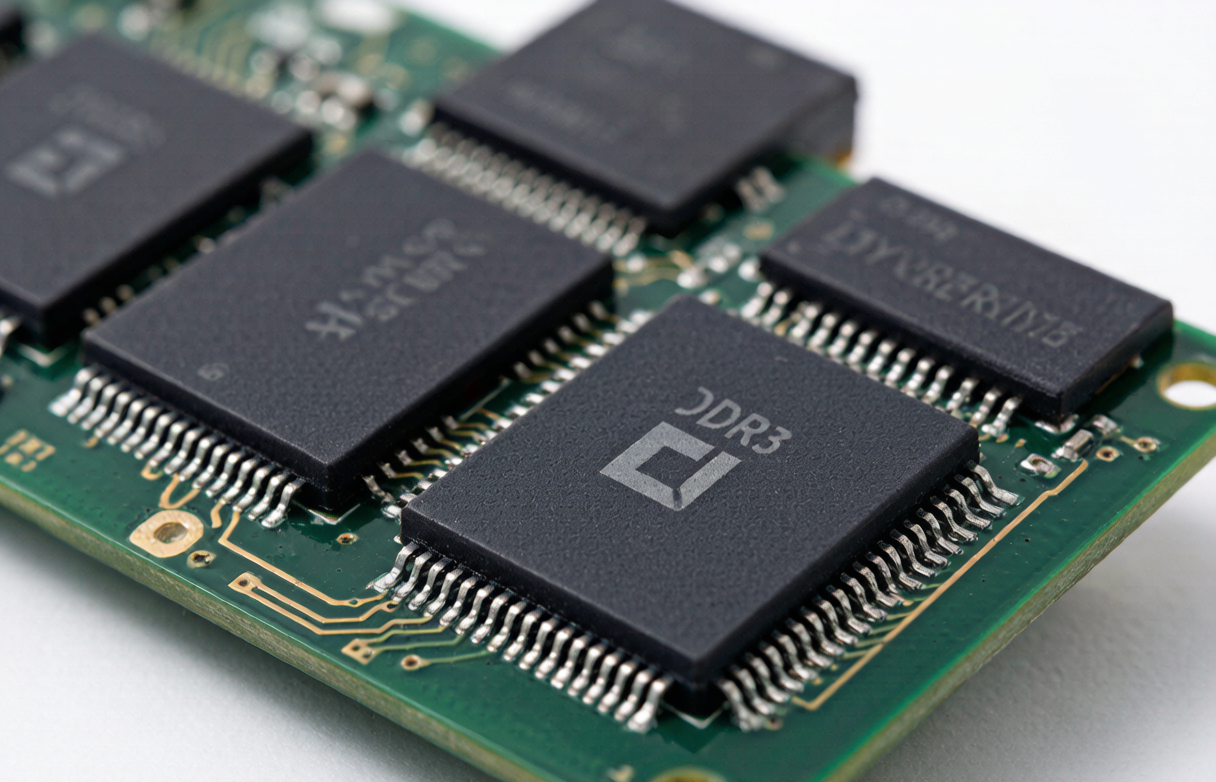
Optimization and Value: Direct Supply Cuts Prep Time by 30%
On delivery, Stonbel's industrial DDR4/DDR5 memory solutions support flexible configuration per project needs. From selection and compatibility testing to volume supply, the direct-from-factory model shortens pre-project preparation time by over 30%. In an automotive parts line upgrade, the customer avoided multi-brand compatibility checks as Stonbel's wide-temperature memory was pre-adapted with AI computing boxes, reducing system integration time. On cost, DDR5 modules have a slightly higher unit price, but their 1.1V
Selection Guide: Match by Platform Generation and Scenario Needs
For selecting industrial DDR4/DDR5 memory, Stonbel recommends deciding based on platform generation and application. New or overhauled vision inspection stations should prioritize DDR5 6400MHz or 7200MHz versions with 8GB to 64GB capacities, suited for real-time inference loads on edge servers. In -40°C to 95°C environments, DDR5's on-die ECC significantly boosts long-run stability. For existing industrial PCs or embedded devices with DDR4-only motherboards, choose the 4800MHz wide-temperature version with ECC and 4Gb to 32Gb capacities for lower cost and mature compatibility. In 7×24 power dispatch centers, the DDR5 Wide Temp ECC model is recommended, with 5600 MT/s and
Q1: What distinguishes industrial DDR4/DDR5 memory from consumer-grade memory?
A: Industrial DDR4/DDR5 memory is engineered for industrial equipment with an operating range of -40°C to 95°C, while consumer memory typically supports only 0°C to 70°C. On production lines, workshops may face temperature swings; industrial memory meets JEDEC wide-temperature standards (JESD79-4/JESD79-5) to ensure signal stability and includes on-die ECC to prevent data errors. Stonbel's modules also feature anti-sulfurization and anti-vibration designs for always-on, unattended industrial hosts, reducing failure rates. In an automotive parts line with -10°C to 70°C fluctuations, the thermal
Q2: How should I choose between DDR4 and DDR5 industrial memory?
A: The choice depends on platform compatibility and performance needs. DDR5 doubles speeds to over 4800MHz, drops voltage to 1.1V for lower power, and offers stronger on-die ECC, ideal for new platforms and high-performance vision inspection. DDR4 is backward-compatible with older motherboards and more cost-effective for existing line upgrades. Stonbel's industrial DDR4/DDR5 memory covers 4800~7200MHz with capacities from 4GB to 64GB, allowing flexible configuration by equipment generation and budget. For industrial PCs purchased in the last three years handling 4K+ camera streams, the DDR5 6400MHz version is recommended to
Q3: What is the wide-temperature range of industrial DDR5 memory and how is reliability ensured?
A: Stonbel's industrial DDR5 memory operates from -40°C to 95°C, compliant with JEDEC wide-temperature standards. Reliability is achieved through on-die ECC, which automatically detects and corrects internal data errors, reducing system crash risks. In 7×24 scenarios like power dispatch or automotive lines, this design keeps annual failure rates below 0.5%. In a provincial power dispatch center project, Stonbel's DDR5 ECC memory adapted to a -10°C to 55°C server room, paired with industrial wide-temperature SSDs and edge inference servers, cutting
Q4: Can Stonbel's industrial memory solutions reduce production line O&M costs?
A: Yes. In an automotive parts line case, adopting Stonbel's industrial DDR4/DDR5 memory solutions raised defect detection accuracy from 85% to 98%, reduced downtime from memory compatibility issues, and cut O&M labor costs by 30%. The direct-supply model and flexible configuration lower upfront procurement costs, while ECC reduces repair rates for better long-term economics. Stonbel provides full-service support from selection and compatibility testing to volume supply, shortening prep time by over 30%. Intelligent O&M and failure prediction monitor SMART, IO latency, and temperature metrics to pre-warn faults and auto-migrate data, cutting unplanned
Stonbel's industrial DDR4/DDR5 memory for smart manufacturing lines provides a smooth upgrade path from DDR4 to DDR5 for automotive parts and power dispatch scenarios. Compared to previous models, generational gains in speed, power consumption, reliability, and delivery directly translate to 98% defect detection accuracy and 30% lower maintenance costs. As an original LED/LCD display manufacturer, Stonbel ensures direct supply and full-process coordination, with a 31-province service network for hassle-free deployment. From national grid dispatch centers to oilfield sites, broadcast media libraries, and government cloud disaster recovery centers, Stonbel's complete matrix of industrial-grade storage and AI computing infrastructure validates the value of scenario-based solutions. Choosing Stonbel means long-term value driven by high-reliability storage and AI computing for smart manufacturing lines.