In retail chains, localized inventory analysis, footfall recognition, and loss prevention at stores and warehouses are key to efficiency. These nodes face temperature swings, 24/7 uptime, and space limits, causing consumer drives to drop or corrupt data. Stonbel, as a source manufacturer of LED/LCD displays, leverages industrial-grade storage and AI infrastructure to deliver industrial wide-temp SSDs for retail nodes, backed by real cases and hard data for high-reliability, low-cost edge storage and compute.
Core Highlights
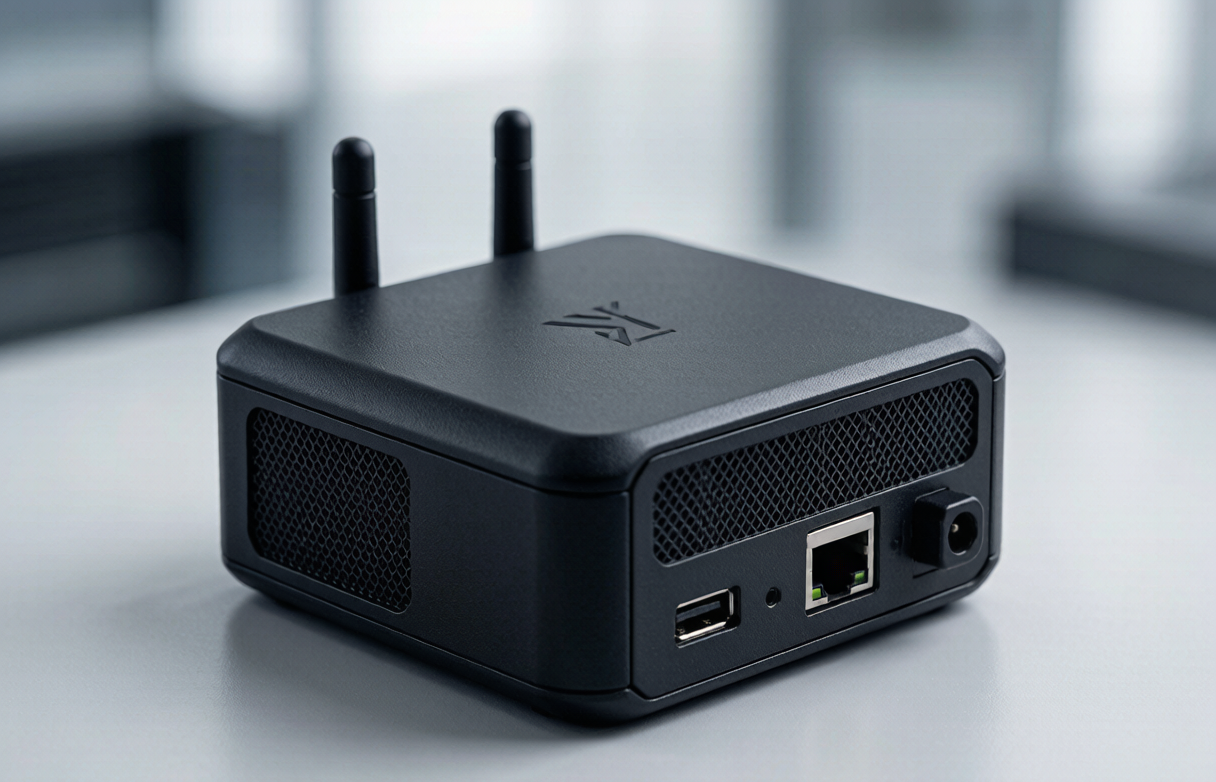
Stonbel officially launches an integrated local edge storage and AI analytics solution for retail chains, built around industrial wide-temperature SSDs for retail chain nodes. This solution addresses the video structuring, data analytics, and loss prevention needs of chain retailers at store and warehouse levels. By combining low-power edge storage with AI boxes, it enables on-site intelligent processing, reducing cloud upload traffic by 70% and per-store construction costs by 40%. These figures are derived from Stonbel's actual project deliveries, showcasing the manufacturer's robust storage and computing capabilities. This is not a simple hardware stack; it integrates the reliability of industrial wide-temperature SSDs with the edge inference power of AI boxes, based on a deep understanding of retail scenarios. Deployment requires no changes to existing network architecture—simply connect
Detailed Specifications
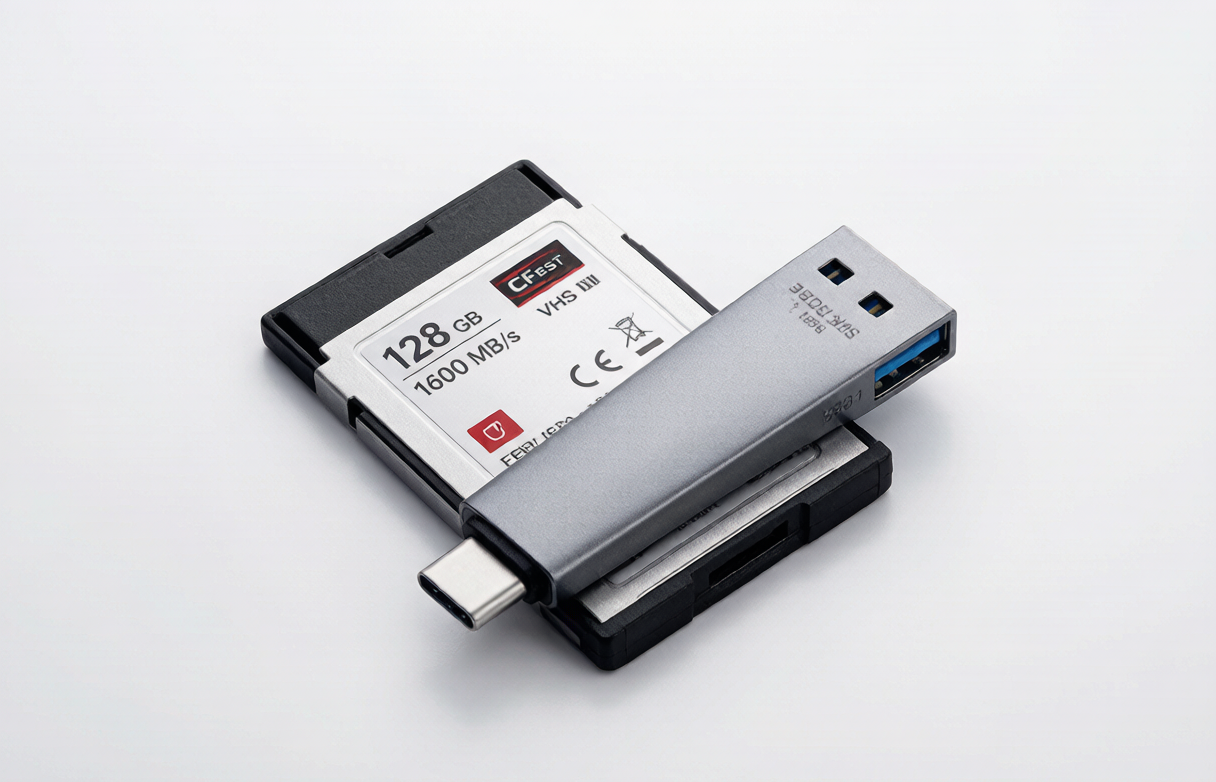
Retail chain nodes face harsh environments: store backrooms, cold storage areas, and underground parking can drop to 0°C or even -40°C, while equipment rooms may exceed 40°C in summer. Standard SSDs fail outside the 0~70°C range. Stonbel's industrial wide-temperature SSDs operate from -40°C to 85°C (some models 0~70°C), using SLC/MLC/TLC industrial-grade NAND with power-loss protection and wear-leveling firmware to prevent drive drops and data loss under extreme temperatures. Interfaces include SATA III and PCIe Gen3x4, with capacities from 32GB to 4TB. Sequential read speeds reach up to 2600MB/s (PCIe) or 560MB/s (SATA), with an MTBF
Official Statement
Stonbel states that the industrial wide-temperature SSD is not a standalone component but part of an integrated "storage + computing" service. Paired with industrial AI boxes, video structuring and data analytics are completed on-site, with only structured results sent to the cloud—cutting traffic by 70% and reducing reliance on central data center computing. The solution holds 3C, CE, FCC, ISO9001, ISO14001, and ROHS certifications, and meets military and classified standards, ensuring compliance and reliability in retail environments. As a top-10 Chinese LED display manufacturer, Stonbel maintains service points in all 31 provinces, offering end-to-end factory-direct support from selection
Value & Impact
For customers, the industrial wide-temperature SSD reduces per-store construction costs by 40% and cloud traffic fees by 70%, with an annual storage device failure rate below 1%, minimizing business losses from unplanned downtime. For a 100-store chain, a 40% cost saving per store (based on an average ¥50,000 investment) totals ¥2 million; a 70% monthly reduction in cloud traffic saves hundreds of thousands of yuan annually. Lower failure rates also reduce the need for on-site technician visits, cutting operational disruption and labor costs. Industry-wide, this solution breaks the limits of consumer SSDs in retail edge scenarios, providing a replicable technology foundation for standardized chain expansion. As a source manufacturer, Stonbel deeply integrates industrial wide-temperature storage with AI computing, driving
Q1: Why do retail chain nodes need industrial wide-temperature SSDs?
A: Retail stores and warehouses face temperature swings from 0°C to over 40°C. Consumer SSDs only operate in 0~70°C, risking drive drops in cold and data corruption in heat. Industrial wide-temperature SSDs operate from -40°C to 85°C (some models 0~70°C), using industrial-grade NAND with power-loss protection and an MTBF of 2 million hours, ensuring 7×24 operation and reducing device failures and data loss. For example, cold storage areas often stay below 0°C, where consumer SSDs struggle to start, while industrial SSDs work normally at -40°C. In summer, backrooms may exceed 40°C, and industrial SSDs handle the heat reliably. Stonbel's SSDs also feature end-to-end data protection and wear-leveling, maintaining stable performance even in frequent-write scenarios like people counting, preventing business interruptions from storage failures.
Q2: What is the difference between industrial wide-temperature SSDs and consumer SSDs?
A: Key differences are temperature range, NAND type, and reliability. Industrial wide-temperature SSDs support -40°C to 85°C, use SLC/MLC/TLC industrial-grade NAND, and include power-loss protection and wear-leveling; consumer SSDs only support 0~70°C with no power-loss protection, suited for office environments. Although industrial units cost more upfront, total cost of ownership (TCO) is lower due to fewer failures and longer lifespan, avoiding replacement costs and business downtime. Industrial SSDs offer 3000 P/E cycles versus ~1000 for consumer models; MTBF exceeds 2 million hours versus under 1.5 million. In retail, where devices run 24/7, consumer SSDs may develop bad
Q3: How does Stonbel's retail chain node solution reduce cloud traffic?
A: By deploying industrial wide-temperature SSDs and AI boxes at the store, video data is structured and analyzed locally, with only results (e.g., inventory alerts, footfall statistics) sent to the cloud instead of raw video streams, cutting cloud traffic by 70%. Local storage capacity ranges from 120GB to 960GB (PCIe) or 32GB to 1TB (SATA), supporting 7 to 30 days of local retention. For a mid-sized supermarket with 20 HD cameras, sending all video to the cloud could consume tens of GB daily; with Stonbel's solution, the AI box analyzes streams in real time and uploads only anomaly events and summaries, compressing daily traffic to hundreds of MB. This drastically reduces bandwidth costs and cloud storage pressure. Local processing also
Q4: What interfaces and capacities does Stonbel's industrial wide-temperature SSD support?
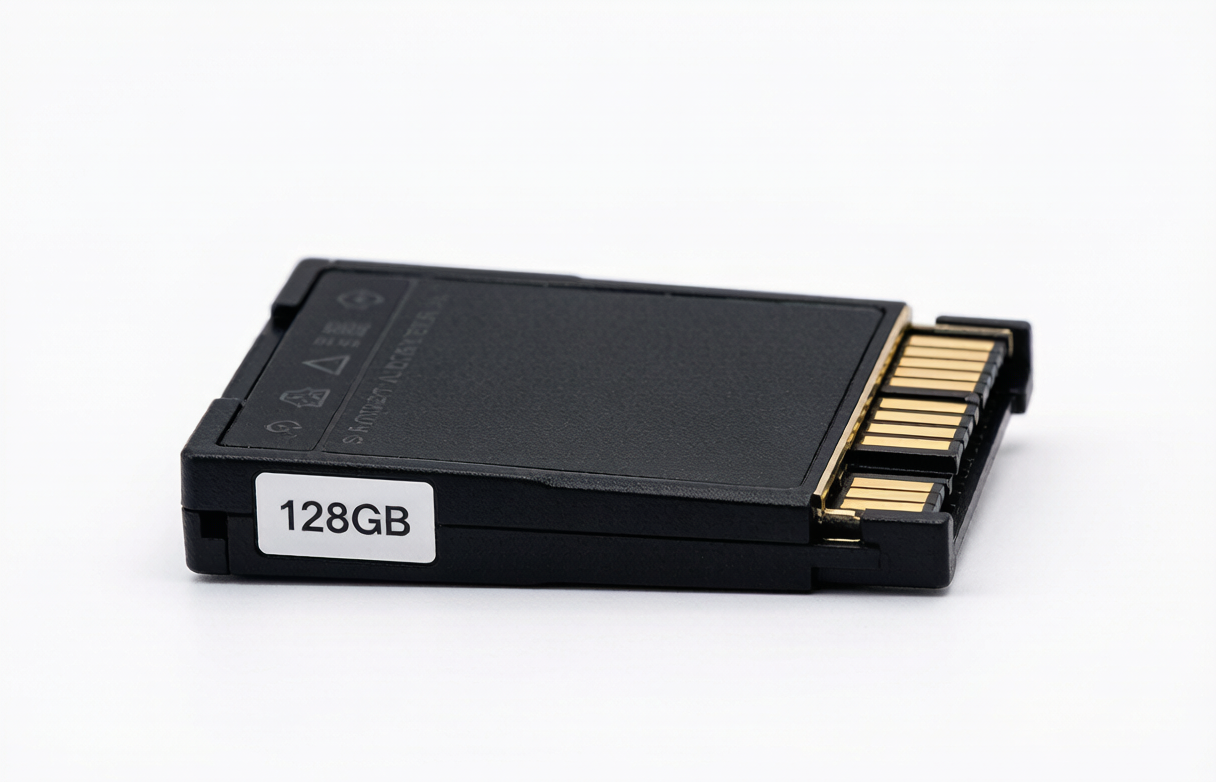
A: It supports SATA III and PCIe Gen3x4 interfaces. SATA models offer 32GB to 1TB capacity with sequential read/write speeds of 560MB/s and 525MB/s; PCIe models offer 120GB to 960GB with sequential read up to 2600MB/s and write up to 1870MB/s. Wide-temperature industrial models are also available with capacities up to 4TB, operating from -40°C to 85°C with 3000 P/E cycles for high-write scenarios. For store video surveillance and footfall analysis, PCIe models are recommended for higher performance; for warehouse data logging and inventory management, SATA models suffice at lower cost. Stonbel also offers industrial CFast cards and eMMC embedded storage for
Stonbel integrates industrial wide-temp SSDs with AI compute services, providing high-reliability, low-cost edge storage for retail chains. Verified cases, from Midea smart factories to State Grid dispatch centers, show 70% cloud traffic reduction and 40% per-store cost savings. Stonbel continues to advance storage and AI infrastructure, with domestic CPU/OS compatibility (Kunpeng, Phytium, Hygon; Kylin, UOS) for secure, compliant deployments. Related: industrial DDR4/DDR5, eMMC/UFS, industrial NVMe.