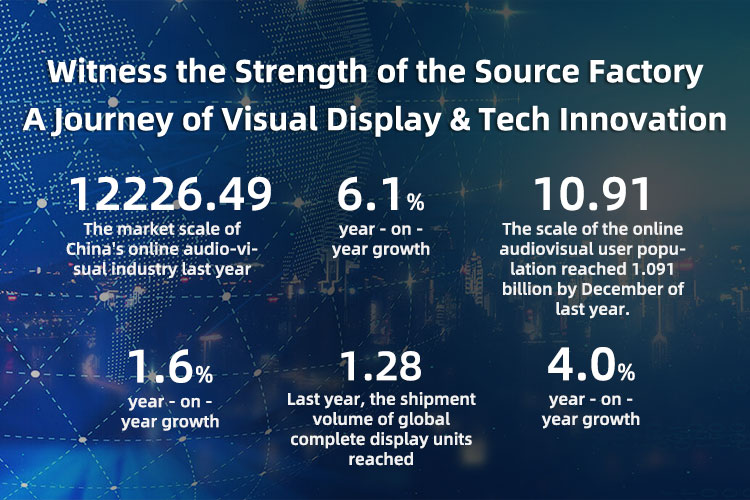
In medical facility upgrades, hospital LED displays have evolved from simple information boards to key devices for navigation, education, and emergency alerts. However, lighting conditions vary greatly across hospital zones—from naturally lit entrance lobbies to softly lit ward corridors—requiring distinct brightness and color temperature configurations. Stonbel, a source manufacturer with 3C, CE, FCC, and ISO9001 certifications, leverages SMD and COB packaging technologies to provide a full range of solutions, from P0.7 fine-pitch to high-brightness outdoor displays. Based on real project data, this article outlines the core decision logic for brightness, color temperature, and ambient light adaptation, helping buyers and integrators establish a scientific selection framework.
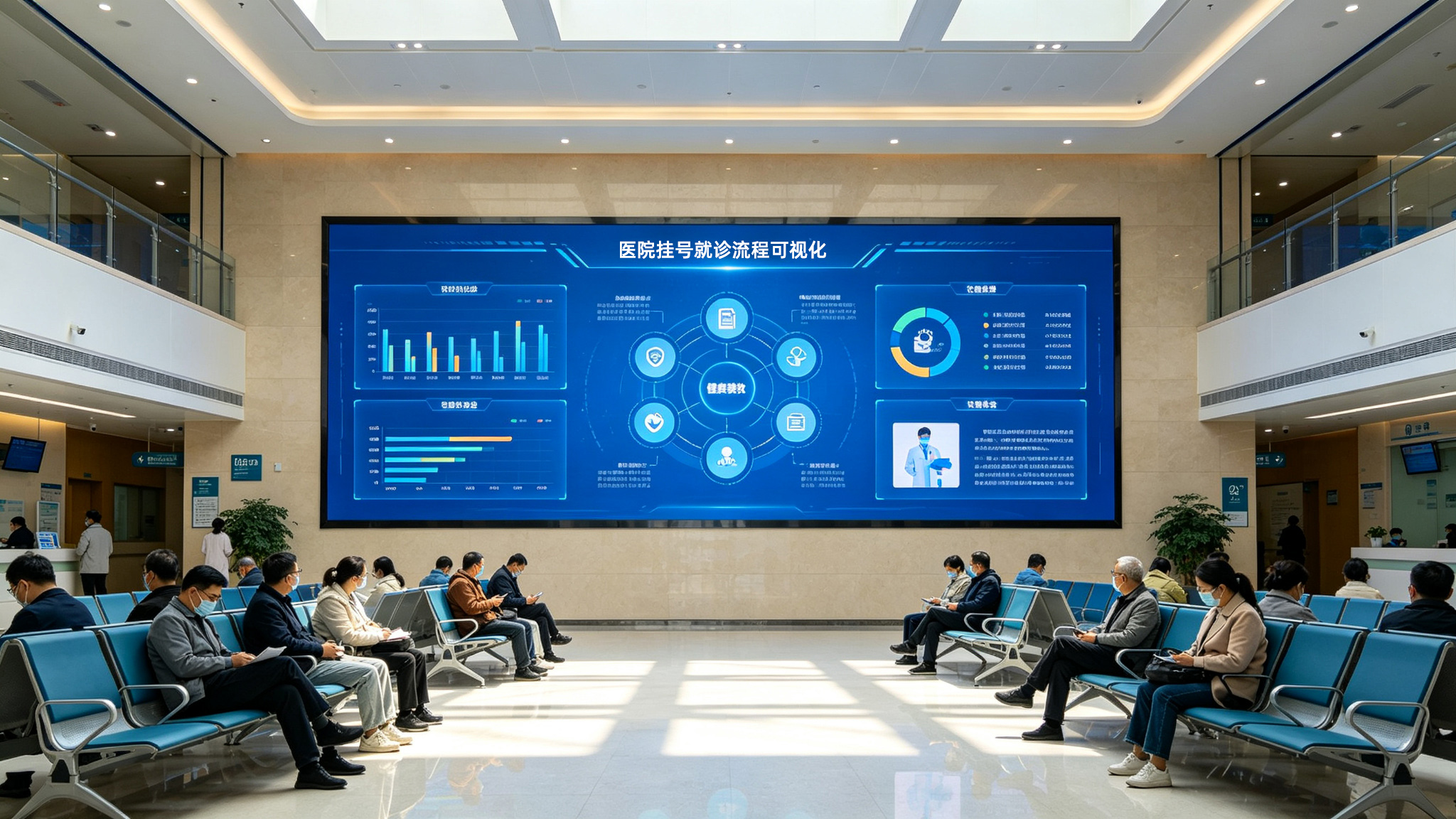
Hospital LED Display Brightness: Based on Ambient Illuminance
Hospital areas vary greatly in illuminance, from thousands of lux in daytime outpatient halls to low-level lighting in corridors at night. Brightness selection cannot be one-size-fits-all. Stonbel recommends 800-1500cd/m² for indoor areas like outpatient halls, paired with ambient light sensors for automatic adjustment to prevent glare and nighttime disturbance. Outdoor wayfinding or
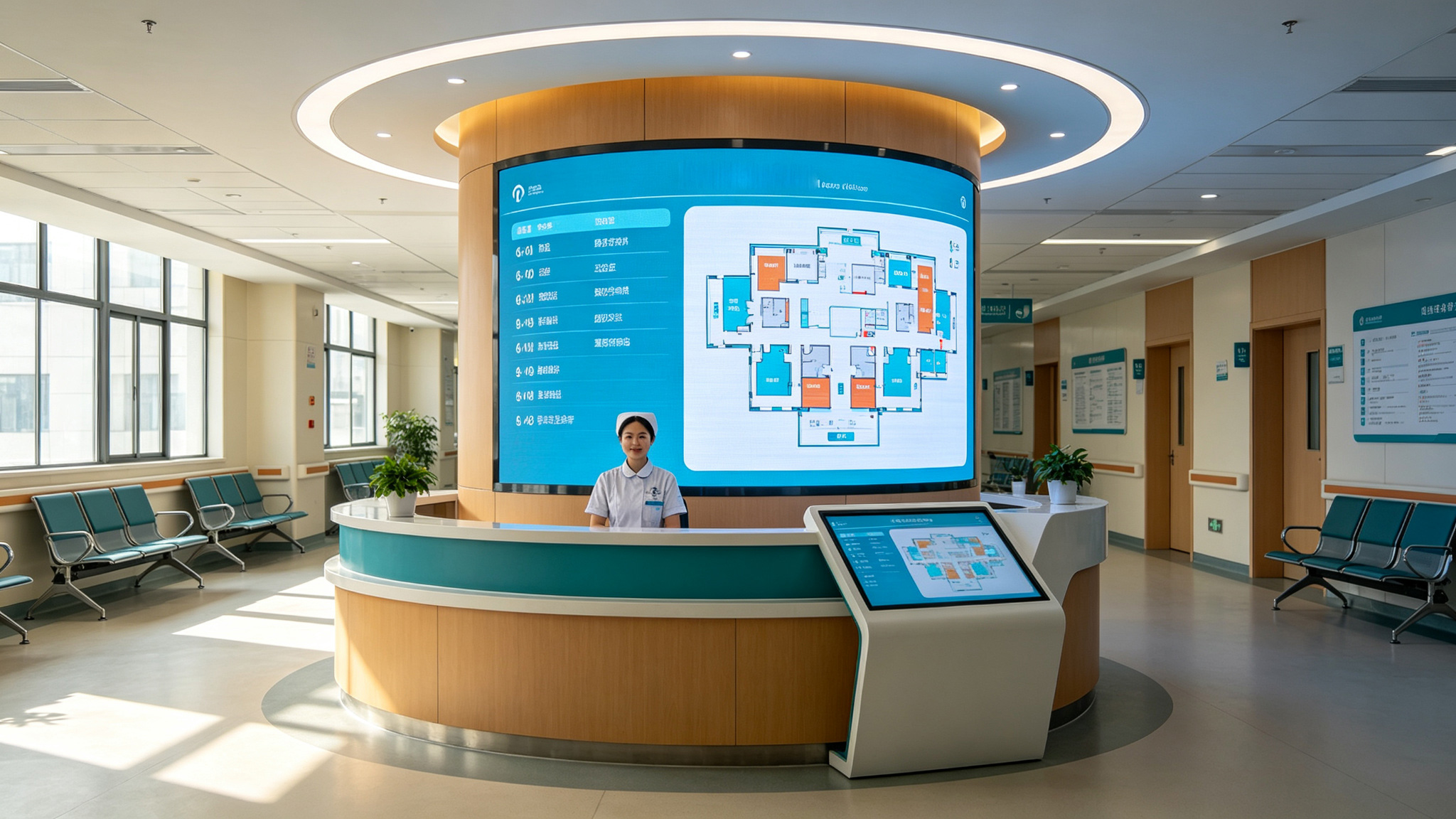
Precise Color Temperature Control for Comfortable Medical Visuals
Color temperature affects both visual comfort and patient mood. 6500K is recommended for daytime halls for bright, clear wayfinding information; below 4000K is advised for nighttime ward areas to avoid suppressing melatonin secretion. Stonbel LED displays support 22-bit grayscale and NTSC≥130% color gamut for precise adjustment. In the Hangzhou Metro command center project, Stonbel's P1.2 COB fine-pitch LED wall achieved smooth color temperature transitions via
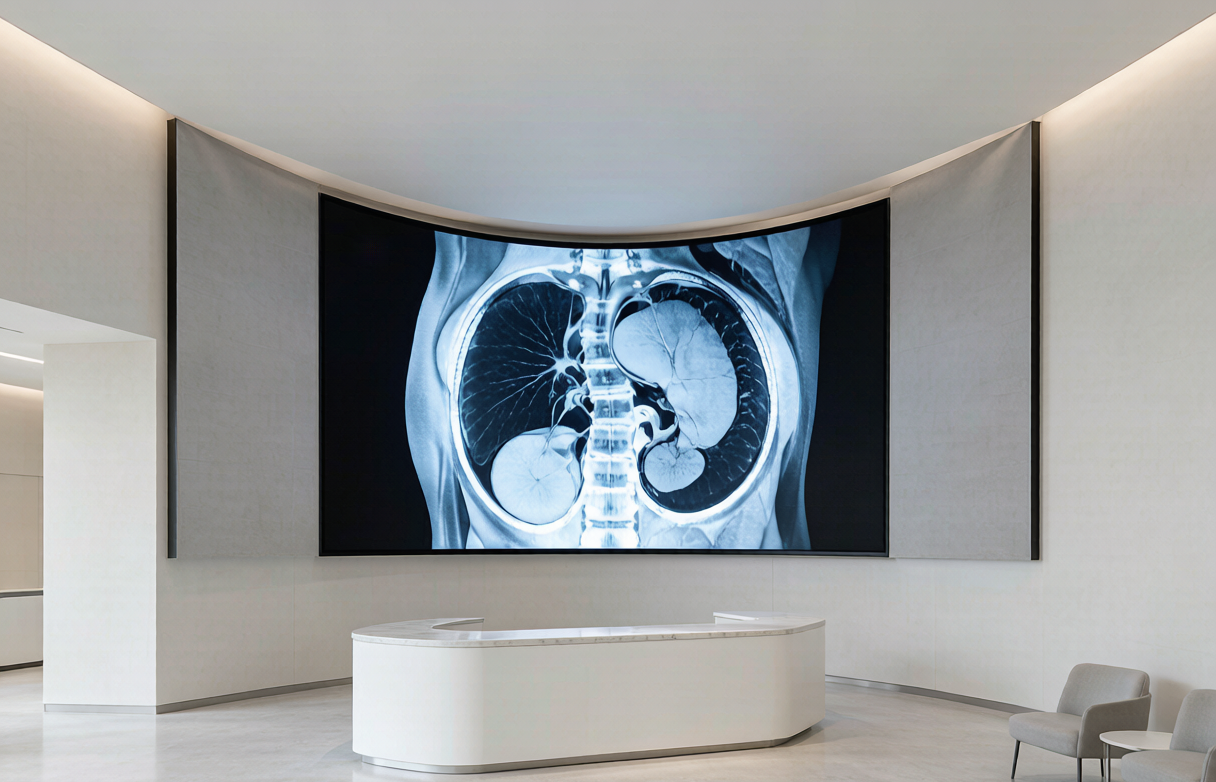
Ambient Light Adaptation: Case-Based Selection Logic
Ambient light adaptation goes beyond brightness and color temperature parameters—it includes installation position, orientation, and glass curtain wall reflections. In the Zhangjiajie National Forest Park project, Stonbel's 60㎡ outdoor P3 screen with IP66 protection and 6500cd/㎡ brightness was optimized for variable mountain lighting, increasing visitor dwell time by 50%. This approach ensures clear visibility in rain or strong noon sun for hospital outdoor wayfinding. In the Shanghai Astronomy Museum project, Stonbel's seamless fine-pitch LED wall
Packaging Technology Guide: SMD, COB, GOB for Medical Use
Packaging technology selection must balance image quality, protection, cost, and maintenance. SMD packaging is mature and cost-effective, with individually soldered lamp beads offering good heat dissipation and flexible brightness control across P1.25-P10—suitable for outpatient halls and registration areas. COB packaging bonds chips directly to the PCB, achieving pixel pitches down to P0.7 with no physical seams and IP65 protection—ideal for command centers and surgical demonstration rooms. The CETC research institute's classified meeting room
Smart Interaction & Maintenance: Boosting Hospital Info Efficiency
Smart interaction and networking are key to hospital operational efficiency. Stonbel supports 4K/1080P display, 5G/WiFi/4G connectivity, built-in human sensing interaction, remote maintenance, and multi-signal input with synchronized control. In the Hangzhou Metro project, the system integrated crowd monitoring, equipment maintenance, and emergency command signals for unified network-wide oversight and second-level crowd alerts—capabilities transferable to hospital emergency command centers for real-time monitoring of ER flow, bed status, and
Q1: What brightness is suitable for hospital LED displays?
A: Brightness depends on ambient lighting. Indoor areas like outpatient halls: 800-1500cd/m² with auto-dimming; outdoor wayfinding screens need higher output—Stonbel's SMD outdoor series can be customized above 8000cd/m² for clear visibility in strong light. Exact values require on-site illuminance measurement; Stonbel offers customized solutions. For example, the Chengdu Chunxi Road outdoor naked-eye 3D screen achieved 8000cd/㎡ peak brightness with clear images under strong light, raising ad rates by
Q2: Which packaging is best for hospital corridor LED displays?
A: GOB packaging is recommended for corridors due to frequent contact and complex environments. GOB applies transparent resin over SMD beads, achieving IP65+ protection with dust and impact resistance at lower cost than COB. Stonbel GOB screens cover P1.25-P10 with wide brightness adjustment for corridor education and wayfinding. In one hospital, a GOB corridor screen suffered localized impact damage; the protective layer limited damage to a single module, replaced in 15 minutes
Q3: How to choose color temperature for hospital LED displays?
A: Color temperature should coordinate with ambient light. 6500K for daytime halls ensures bright, readable wayfinding; below 4000K for nighttime wards avoids suppressing melatonin. Stonbel displays support 22-bit grayscale and NTSC≥130% color gamut for precise adjustment. In the Hangzhou Metro project, Stonbel's P1.2 COB wall achieved smooth color temperature transitions via multi-screen controllers, improving crowd alert
Q4: What protection rating is required for hospital LED displays?
A: Indoor displays should be at least IP40; corridors and outdoor areas need higher protection. Stonbel COB achieves IP65, GOB reaches IP65+, effectively resisting dust, moisture, and impact. Outdoor displays should be IP65 or above—the Zhangjiajie project used IP66 for stable operation in harsh weather, increasing visitor dwell time by 50%. Hospital outdoor wayfinding faces wind and rain; higher ratings extend lifespan and reduce maintenance. Stonbel COB bonds chips directly to the PCB with
Q5: How to achieve smart maintenance for hospital LED displays?
A: Stonbel displays support 5G/WiFi/4G connectivity with a built-in maintenance platform for real-time monitoring, remote diagnostics, and problem resolution. In one hospital, a GOB corridor screen was damaged; remote diagnostics quickly located the faulty module, and on-site replacement took only 15 minutes without affecting the display. Service points in all 31 provinces ensure 2-hour response, reducing
Selecting and deploying hospital LED displays is a systematic task involving optics, environment, and human factors. Stonbel, with complete coverage of SMD, COB, and GOB packaging and a product matrix from P0.7 to P10, delivers precise brightness and color temperature solutions for different hospital zones. Drawing on experience from projects like Chengdu Chunxi Road, Zhangjiajie National Forest Park, and Hangzhou Metro, Stonbel applies mature technologies—outdoor high-brightness, indoor ultra-HD, and high protection—to medical settings, enhancing information delivery and patient experience. As a top-10 LED display manufacturer in China, Stonbel provides reliable, durable, cost-effective solutions backed by a 31-province service network and clients like Huawei, Peking University, and Peking Union Medical College Hospital. Moving forward, Stonbel will continue to optimize hospital-specific solutions with data-driven innovation.