This article traces the technical evolution of brightness and color temperature selection for broadcast LCD video walls, combining practical ambient light adaptation experience to provide actionable selection guidance. From early CRT to today's ultra-HD video walls, Stonbel has witnessed and contributed to every leap in broadcast display technology, building full-cycle service capabilities from R&D to delivery.
Background: Evolution and Core Demands of Broadcast Display Technology
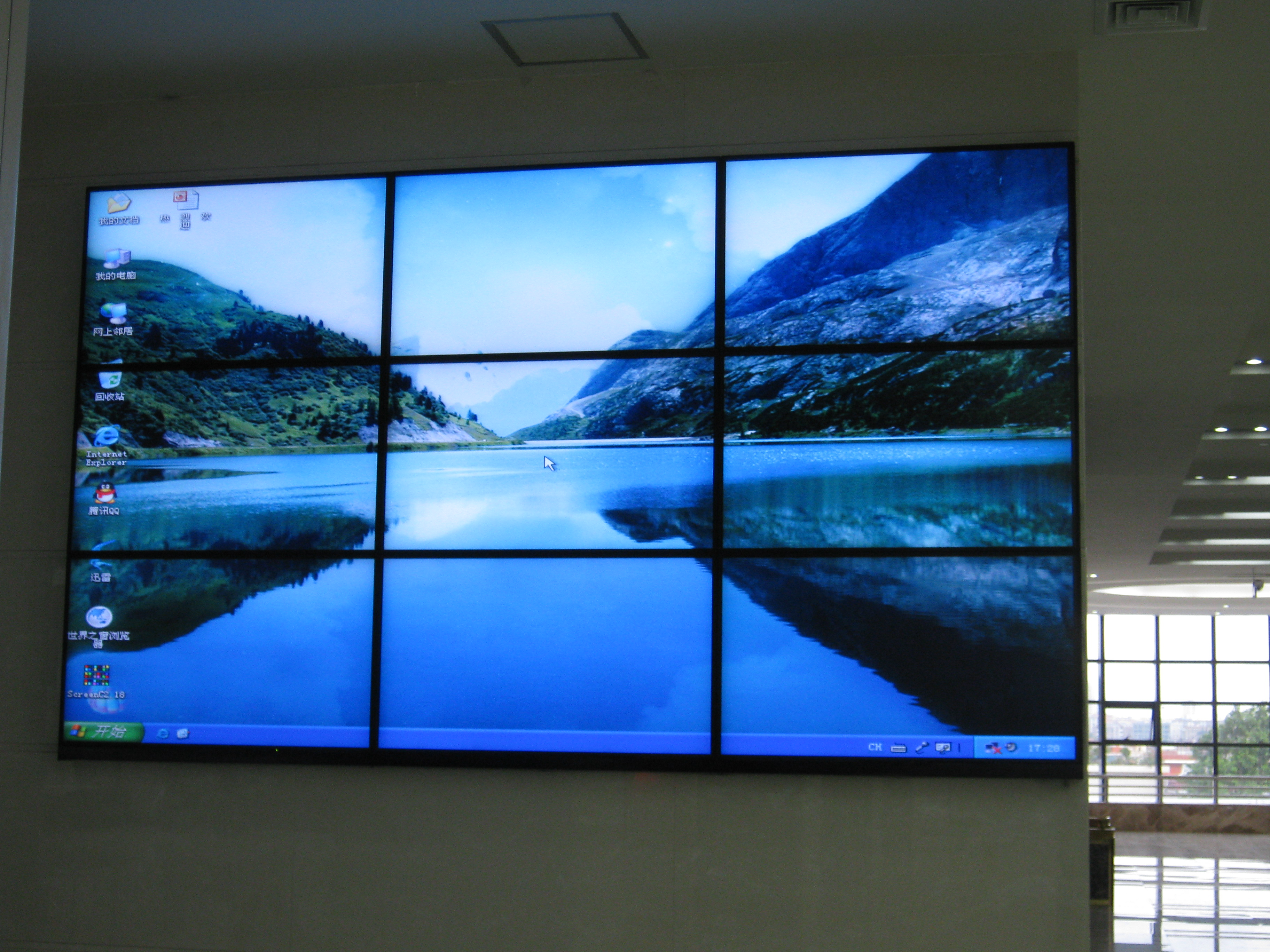
The broadcast industry has long relied on display equipment. From early CRT monitors to today's LCD video walls, display technology has evolved from analog to digital and from standard definition to ultra-high definition. Throughout this progression, brightness and color temperature have remained the two core metrics of display quality. Brightness determines image visibility under ambient light interference, while color temperature directly impacts color reproduction accuracy—for broadcast production, any color deviation can cause signal distortion on end-user screens. In serving broadcast clients, Stonbel has found that many users fall into parameter misconceptions when selecting video walls, blindly pursuing high brightness or a single color temperature standard while overlooking
R&D Journey: From Standardization to Ambient Light Adaptive Technology
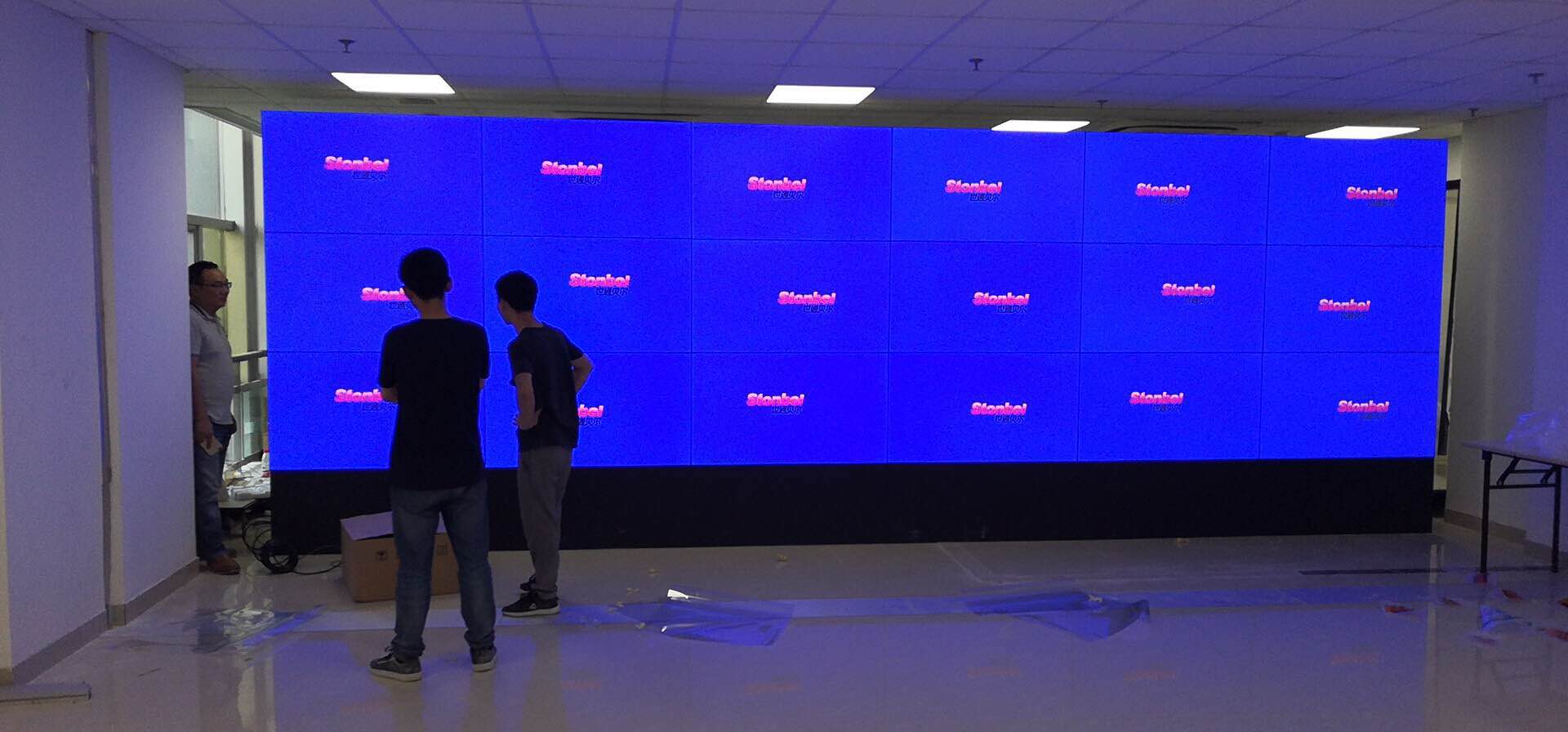
Entering the 2020s, the broadcast industry began exploring virtual production and XR technologies, imposing more extreme demands on display dynamic range and color gamut coverage. Traditional fixed brightness and color temperature settings can no longer meet the fusion needs of virtual and real elements in virtual scenes—when virtual background brightness shifts with scene changes, physical display screens must adjust synchronously to avoid visible visual disconnection. Stonbel introduced High Dynamic Range (HDR) processing algorithms in R&D, enabling broadcast LCD video walls to render richer detail in highlights and shadows. We also developed an ambient light adaptive function for broadcast scenarios—through built-in optical sensors, the video wall automatically adjusts brightness
Delivery: Rapid Response Network and Cross-Scenario Signal Processing Architecture
In delivery, we understand the criticality of timeliness in broadcast projects—broadcast interruption losses are immense. Therefore, Stonbel has established a rapid response network with permanent service points across 31 provinces, ensuring installation and commissioning within 48 hours of equipment arrival. This commitment is not just a slogan but is backed by production capacity reserves at five manufacturing bases and routine deployment of regional maintenance teams. In actual broadcast project deliveries, we typically employ a dual-track strategy: on one track, the factory completes per-unit color
Future Outlook: Intelligent and Full-Scenario Display Ecosystem
As one of China's top ten LED display companies, Stonbel holds multiple certifications including 3C, CE, FCC, ISO14001, ISO9001, ROHS, military-grade, and confidentiality qualifications, providing a solid trust foundation for broadcast clients. Our clients include Huawei Technologies, Peking University, Peking Union Medical College Hospital, and the Guangdong Provincial Emergency Management Department—though not broadcast industry players, their stringent display quality requirements have sharpened our technical capabilities. For example, Huawei's demands on supply chain responsiveness, Peking
Q1: What brightness level is suitable for broadcast LCD video walls?
A: Brightness selection for broadcast LCD video walls depends on ambient light conditions. In high-light environments like studios, brightness above 800cd/m² is recommended to ensure clear images; in control rooms or post-production suites with dimmer lighting, around 500cd/m² suffices—excessive brightness can cause eye fatigue. Stonbel's broadcast LCD video walls support stepless adjustment from 300 to 1000cd/m², allowing flexible configuration based on actual scenarios. It's important to note that higher brightness is not always better—excessive brightness increases power consumption and heat generation and may cause loss of shadow detail. We recommend a zone-based strategy for broadcast users: high brightness mode (800-1000cd/m²) for studio areas, medium brightness
Q2: How should color temperature be set accurately for broadcast LCD video walls?
A: The broadcast industry generally recommends 6500K (D65 standard) for program production, but in actual studios, lighting may lean warm or cool, requiring on-site calibration. Stonbel provides per-unit color calibration to ensure wall-wide color temperature deviation stays within ±200K, with continuous adjustment from 3200K to 9300K to meet different program type requirements. For news programs, 6500K standard color temperature is recommended to ensure natural skin tone reproduction; for entertainment programs, adjustment between 5000K-7000K based on stage lighting style; for documentary or film color grading scenarios, color temperature settings corresponding to the DCI-P3 color gamut can be used. It's worth emphasizing that color temperature calibration should not focus solely on single-point values—wall-wide uniformity must also be
Q3: How do broadcast LCD video walls adapt to complex ambient light conditions?
A: Stonbel's broadcast LCD video walls feature a built-in ambient light adaptive function that uses optical sensors to monitor surrounding light intensity in real time, automatically adjusting brightness and color temperature. In the Guangdong Provincial Emergency Management Department project, we set brightness to 800cd/m² and color temperature to 7500K based on on-site measurements, achieving clear visibility under strong daylight and non-glaring display at night. This function relies on our self-developed intelligent dimming algorithm—the sensor samples ambient light data 10 times per second, and after filtering, smoothly adjusts backlight brightness to avoid visual fatigue from frequent jumps. The system also supports custom response curves, allowing users to set different adjustment speeds based on studio lighting switching rhythms. For mobile scenarios
Q4: How is after-sales service guaranteed for broadcast LCD video walls?
A: Stonbel maintains permanent service points across 31 provinces, committing to installation and commissioning within 48 hours of equipment arrival. Our broadcast LCD video wall products undergo 72-hour burn-in testing, support 7×24 continuous operation, and come with a 3-year warranty. In the Chengdu government project, we achieved a 70% improvement in information display efficiency, thanks to our rapid response service network. Specifically, our after-sales service comprises four tiers: first, 7×24 hotline support with remote diagnosis by senior engineers; second, 4-hour on-site response from regional service points covering
Brightness and color temperature selection for broadcast LCD video walls is ultimately a balance between technology and art—meeting quantifiable engineering metrics while satisfying program production aesthetics. As a source manufacturer with five production bases, per-unit color calibration, and a 31-province service network, Stonbel provides one-stop support from consultation to maintenance. We welcome broadcast industry colleagues to visit our Shenzhen headquarters.