In LED/LCD commercial display projects, installation and pre-cabling are the foundation of final display quality and long-term stable operation. As a source manufacturer established in 2009, Stonbel has proven its nationwide delivery capability through service points in all 31 provinces and its own production base, validated in numerous government and enterprise projects. This article reviews key steps from pre-cabling to installation, using real cases from public security command centers, medical teaching, and smart classrooms, offering practical guidance for integrators and end users.
Project Background
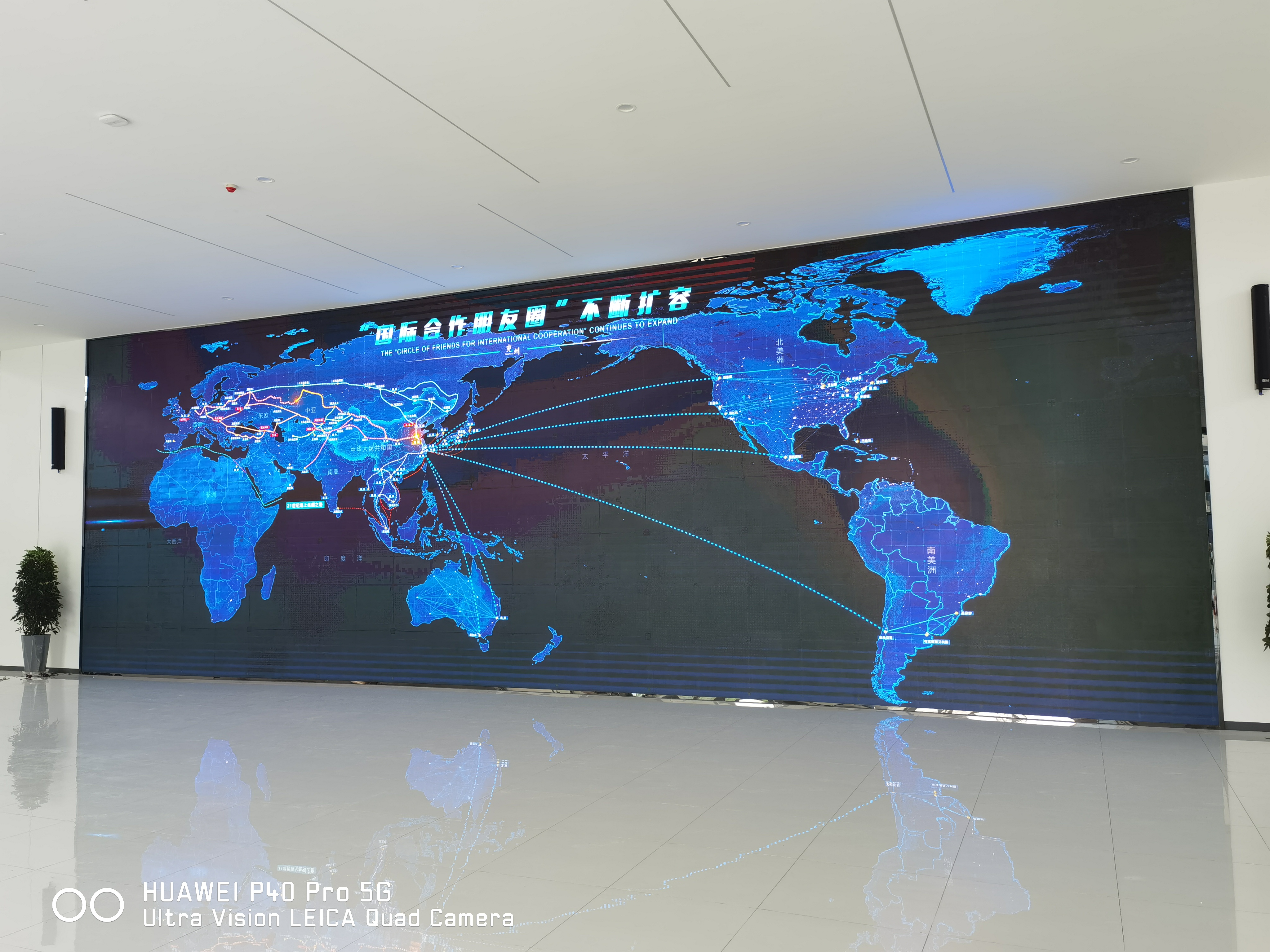
The complexity of commercial display projects often lies not in the screen itself, but in the full-process management from initial cabling to final delivery. Taking the Panzhihua Public Security Bureau Command Center project in Sichuan as an example, the requirement needed to adapt to the public security "intelligence, command, and action" integrated mechanism, equipping multiple specifications of COB large screens for simultaneous dispatch of police data, surveillance footage, and GIS maps. Such projects demand strict product qualifications, professional solutions, delivery timelines, and after-sales support. Local integrators, traditionally focused on security surveillance, lacked a stable supply of high-end COB display products and specialized solution design capabilities. Stonbel's nationwide delivery capability played a key
Delivery Highlights
Initial cabling is the first critical step ensuring signal transmission quality and ease of later maintenance. In the Panzhihua project, Stonbel leveraged its own production base for dedicated scheduling, completing customized screen production and delivery in 8 days. The local engineering team scheduled installation during off-peak hours to avoid disrupting police operations, strictly adhering to the separation of high and low voltage cables during cabling to ensure smooth, tear-free surveillance images at a 3840Hz refresh rate and zero-lag multi-signal switching. Concurrently, for a provincial Emergency
Core Specifications
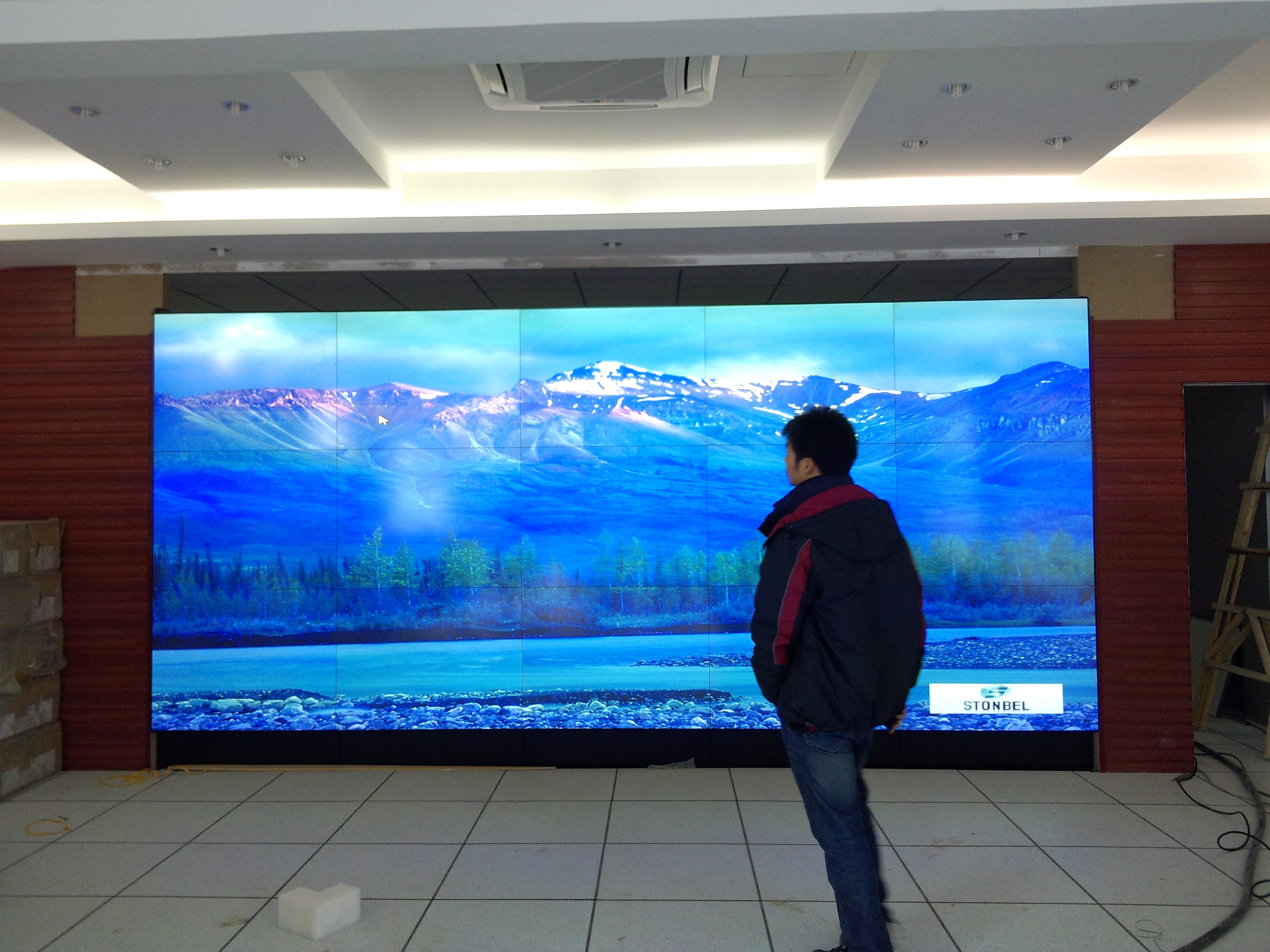
The implementation of initial cabling must precisely match the screen's technical specifications. Stonbel's COB fine-pitch displays cover pixel pitches from P0.7 to P1.8, with a 3840Hz refresh rate, IP55 protection rating, and a lifespan of ≥100,000 hours. In the Sun Yat-sen University smart classroom project, we equipped 65 public classrooms with 86-inch smart blackboards and 3 academic lecture halls with 135-180 inch LED conference all-in-one machines. Cabling for this project needed to account for the signal transmission requirements of the 4K eye-care panels and the network bandwidth for the built-in subject resource library. In the West China
Customer Feedback
Feedback indicates that the quality of initial cabling directly impacts project acceptance efficiency and long-term maintenance costs. The Panzhihua project passed the specialized public security system acceptance one day ahead of schedule. The large screen operates stably, with no visible graininess in core data areas even at close range, and frontline command staff highly praised the zero-lag multi-signal switching. The integrator reported that Stonbel's local support enabled them to deliver a high-end public security display project with zero technical barriers, increasing profit by 28% compared to traditional SMD projects, and
Q1: Why is separating high and low voltage cables important during initial cabling for commercial displays?
A: Separating high and low voltage cables is fundamental to ensuring signal stability and operational safety. For example, Stonbel's COB fine-pitch displays require high-quality signal transmission due to their 3840Hz refresh rate. If high and low voltage lines are run parallel or too close, electromagnetic interference can occur, leading to screen flicker or data packet loss. Based on experience from public security command center projects, high and low voltage cable trays should maintain a minimum distance of 30cm, with shielding at crossing points. Specific standards depend on site conditions and the screen model; we recommend having a professional engineer provide a cabling diagram during the design phase.
Q2: Is there a difference in cabling space reservation between P1.2 and P1.5 COB screens?
A: Yes, different pixel pitches have different cabling space requirements. Both P1.2 and P1.5 fall under fine-pitch, but P1.2 has a higher pixel density, demanding more stable signal processing and power supply. In a financial industry case, a 90㎡ P1.2 financial-grade COB display needed to support real-time linkage of trading data, risk alerts, and branch surveillance, requiring redundant cores in the cabling system for signal backup. In contrast, the P1.5 medical-grade screen at West China Hospital focused on integrating with the surgical teaching system, requiring dedicated channels for specific video interfaces. Specific space reservations should be based on the screen's specification sheet and project plan.
Q3: What are the key cabling differences between LCD video walls and COB screens in government service halls?
A: The cabling focus differs between LCD video walls and COB screens. For example, a project at Chengdu Municipal Government Service Center used multiple LCD video walls with multi-screen controllers and video processing systems, where cabling emphasized synchronized transmission of multiple sources and network connectivity for touch interaction. In contrast, COB screens in emergency command projects, like the provincial Emergency Management Bureau, prioritize wide-temperature tolerance and 7×24 operation, requiring reserved backup power circuits and heat dissipation channels. Both require high/low voltage separation, but LCD walls have more concentrated video cable layout needs, while COB screens demand higher power supply stability.
Q4: How does Stonbel ensure installation services across different regions in China?
A: Stonbel's nationwide delivery capability relies on permanent service points in 31 provinces and cities, enabling rapid response from local teams. In the Panzhihua project, the local engineering team worked during off-peak hours and provided training on equipment operation and troubleshooting for the integrator's technical staff. For the Chengdu emergency management project, we provided 7×24 emergency maintenance support with on-site personnel for critical tasks. This nationwide service network ensures professional follow-up at every stage, from initial cabling to post-delivery maintenance, avoiding delays caused by geographical distance. For specific service scope and response times, please consult our regional service team based on the project location.
From public security command centers to university smart classrooms, from medical surgical teaching to immersive cultural exhibition halls, Stonbel's nationwide delivery capability has been repeatedly validated in demanding scenarios. Standardized pre-cabling, professional installation, and timely local service form the three pillars of successful project delivery. For integrators, partnering with a source manufacturer backed by a national service network provides a solid advantage in bidding and implementation. Stonbel continues to rely on certifications including 3C, CE, FCC, ISO14001, ISO9001, along with 12 patents and 37 software copyrights, to offer one-stop services from design to operation and maintenance.