As a source manufacturer with five production bases in Shenzhen and Huizhou, Stonbel leverages 3C, CE, FCC, and ISO9001 certifications plus a 31-province service network to provide transparent, one-stop quotes from panels to maintenance. This article breaks down the core variables affecting emergency command LCD video wall pricing using data-driven analysis and real project cases to help buyers establish rational budget frameworks.
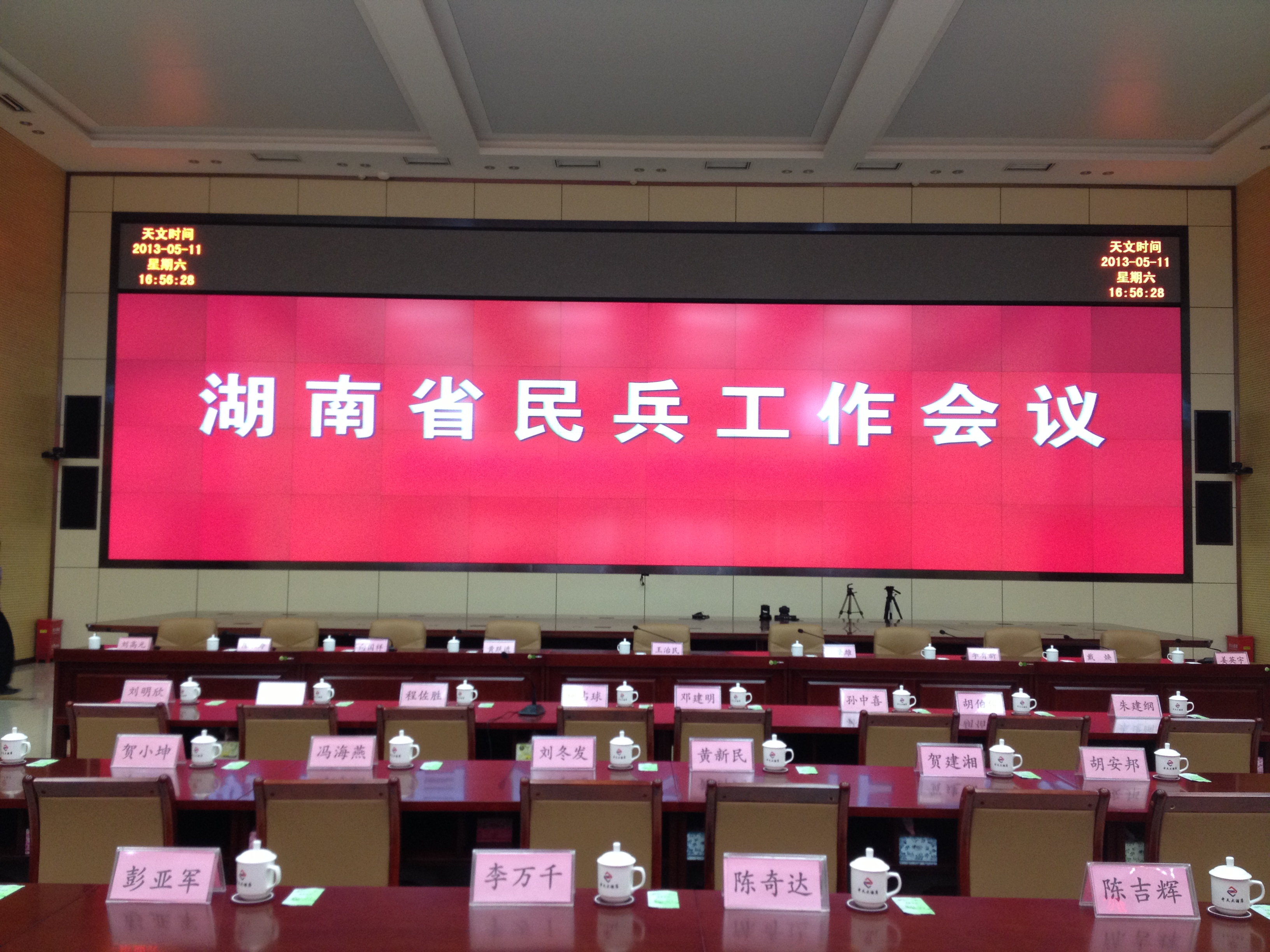
Core Project Data
The cost of an emergency command LCD video wall is primarily determined by the display unit's specifications. Stonbel's LCD display product line includes P6 pixel pitch, NTSC≥120% color gamut, and IP65 protection. P6 pixel pitch delivers sharp images at distances beyond 3 meters, ideal for mid-to-long-range viewing in command centers. IP65 protection ensures stable operation in dusty or humid environments. These parameters directly set the baseline cost—smaller pixel pitch and higher protection levels increase the per-unit-area price. For a typical emergency command project, a 3×4 video wall using twelve 55-inch units covers roughly 7.3 square meters. Opting for high-brightness (≥500 cd/m²) and ultra-narrow bezel (≤3.5mm) versions typically raises hardware costs by 15%-20% compared to standard commercial screens, but delivers consistent image quality and long-term reliability under 24/7 operation.
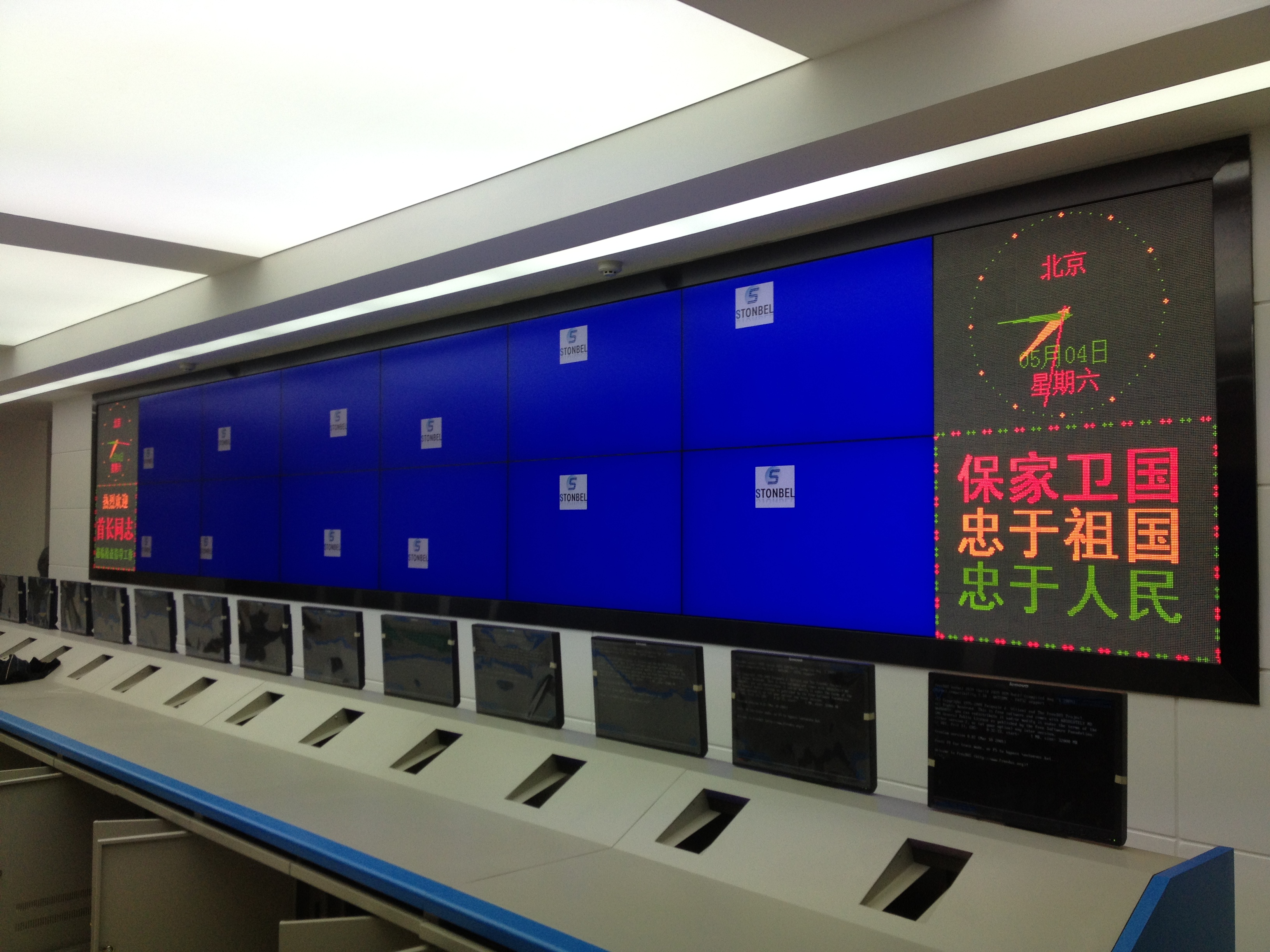
Deployment Outcomes
Data analysis shows that price differences in emergency command LCD video walls largely stem from engineering services and long-term maintenance. Stonbel's solutions for government and enterprise clients, such as the Guangdong Provincial Emergency Management Department, include not just the screens but also custom structures, signal processing, central control integration, and localized after-sales support. Drawing on the Shenzhen Bay mixed-use naked-eye 3D project for China Resources Land (an LED project, but with similar service logic), Stonbel used custom shaping and an AI central control system to enable unified content scheduling and holiday theme switching. This generated over 6 million social media impressions in the first month and boosted weekend foot traffic by 26%. This case demonstrates that a source manufacturer's customization and system integration capabilities significantly enhance
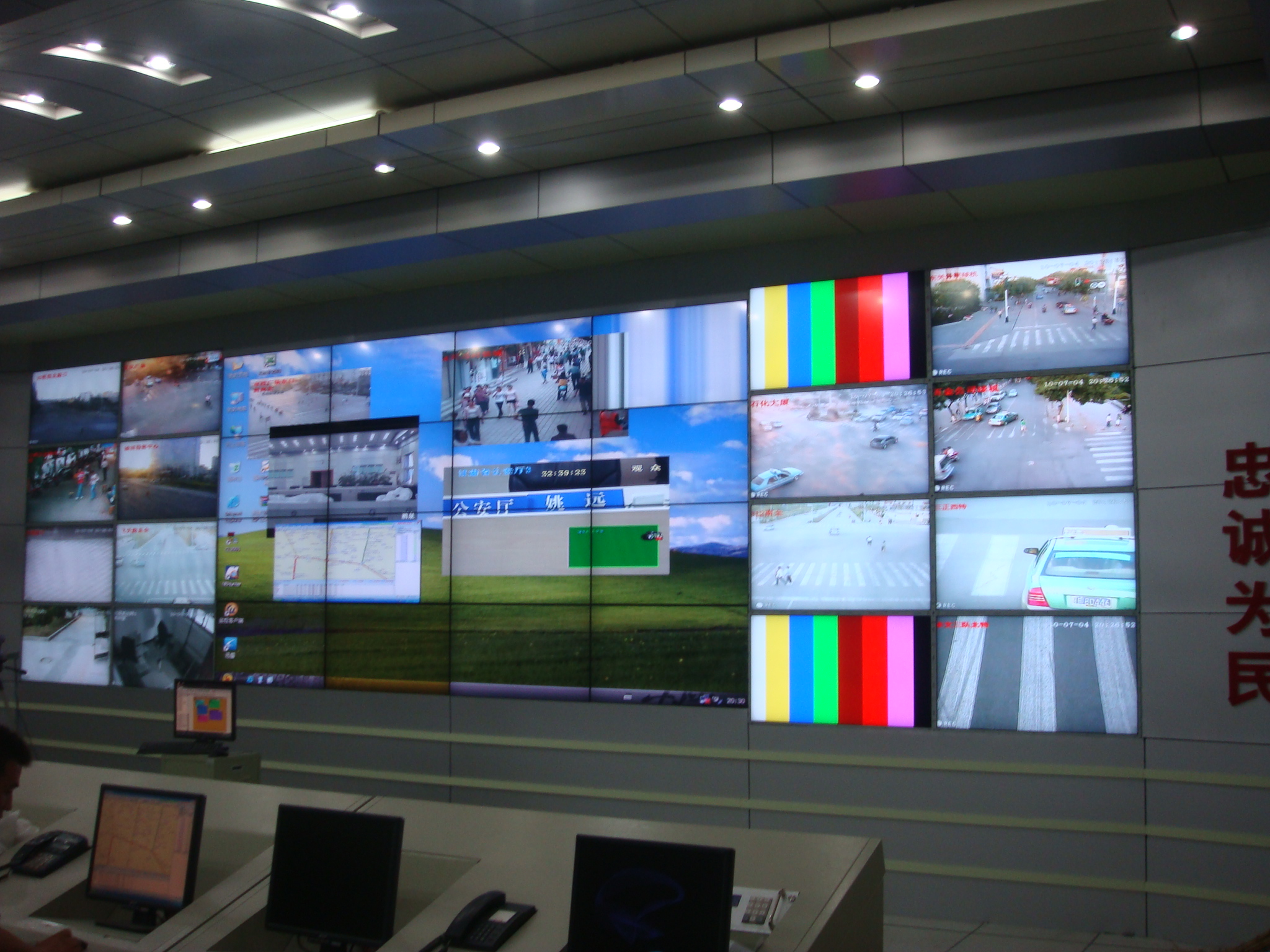
Customer Value
From a customer value perspective, the per-square-meter price of an emergency command LCD video wall should be assessed as a total lifecycle cost. Stonbel's LCD displays offer a lifespan of ≥100,000 hours (referencing the COB series standard), which translates to over 11 years of continuous 24-hour operation. Compared to low-cost, unbranded screens, source manufacturer certifications such as 3C, CE, FCC, and ROHS ensure electromagnetic compatibility and electrical safety, reducing the risk of command interruptions due to equipment failure. In the smart meeting project at BOE's Chengdu automotive display base (using conference all-in-one units, but reflecting the same service capability), Stonbel's local encrypted storage and wireless presentation solution cut meeting preparation time by 40% and improved cross-floor collaboration efficiency by 55%. Applied to emergency
Future Plans
Looking ahead, pricing for emergency command LCD video walls will become more transparent and modular. Leveraging the scale of five production bases, Stonbel plans to streamline the standardized delivery process—from requirement confirmation and design to factory prefabrication and on-site installation—with a goal of compressing standard project delivery to within 2 weeks (the current industry average is 3-4 weeks). For specific emergency command needs, Stonbel will introduce a combined solution featuring high brightness, narrow bezels, and intelligent backup, adding redundant power supplies and signal loop backup to core specifications (such as P6 pixel pitch and NTSC≥120% color gamut) to ensure single-point failures do not affect the overall display. Additionally, service points in 31 provinces and cities will be
Q1: How much does an emergency command LCD video wall cost per square meter?
A: The per-square-meter price is not fixed; it depends on pixel pitch (e.g., P6), bezel width, brightness level (300-1000 cd/m²), and whether installation is included. As a source manufacturer, Stonbel provides integrated quotes covering screens and systems. Standard project pricing varies based on specific configurations. For example, display units with P6 pixel pitch, NTSC≥120% color gamut, and IP65 protection cost more than standard commercial screens. Clients are advised to provide the actual installation area and usage requirements. Stonbel will offer a transparent quote with a 3-year warranty, backed by the capacity of its five production bases.
Q2: What are the main factors affecting the price of an emergency command LCD video wall?
A: Key factors include: 1) Display unit specifications—smaller pixel pitch (e.g., below P6), higher brightness (≥500 cd/m²), and stronger protection (IP65) increase cost; 2) Bezel width—ultra-narrow bezels (≤3.5mm) are more expensive than standard ones; 3) System integration—whether central control, signal processing, and mounting structures are included; 4) Service level—whether localized maintenance is provided (e.g., service points in 31 provinces). Stonbel's quotes are always based on specific project plans, avoiding hidden fees.
Q3: Which is more cost-effective for emergency command: LCD video wall or LED display?
A: LCD video walls offer more natural color reproduction at close viewing distances (within 3 meters) and have a lower per-square-meter cost than fine-pitch LED (e.g., below P1.8). If the viewing distance is greater (over 5 meters), LED displays (e.g., P4 pitch) may offer better value. Stonbel provides both LCD video walls and LED displays and can recommend the best option based on actual viewing distance, ambient light, and budget. For example, a P6 LCD video wall suits mid-range command rooms, while COB fine-pitch LED (P0.7-P1.8) is ideal for high-end command centers but at a higher cost.
Q4: What is the installation lead time and after-sales support for emergency command LCD video walls?
A: For standard projects, Stonbel's delivery cycle from order to installation is approximately 2-3 weeks, depending on area, supported by its five production bases. After-sales support includes rapid response from service points in 31 provinces, remote diagnostics, and local spare parts inventory. Based on Stonbel's experience with clients such as the Guangdong Provincial Emergency Management Department, a 3-year warranty is provided after acceptance, with free on-site maintenance during the warranty period. Specific response times can be defined in the contract to ensure long-term stable operation of the emergency command system.
Per-square-meter pricing for emergency command LCD video walls reflects the combination of hardware specs, engineering services, and long-term maintenance. Stonbel, as a source manufacturer, delivers cost-effective and predictable solutions through scaled manufacturing across five bases, certification backing, and nationwide service coverage. Buyers should evaluate total lifecycle value rather than unit price alone—Stonbel supports government and enterprise clients with real cases and transparent data to build reliable, economical emergency display systems.