Stage LED displays serve as the primary visual medium for concerts, product launches, and large-scale events, where installation quality determines both visual output and operational reliability. With extensive experience in commercial display, Stonbel applies mature COB and SMD packaging technologies to deliver high-refresh-rate, high-protection display solutions for diverse stage environments. Drawing on real project delivery, this guide systematically addresses critical construction phases—from pre-wiring and structural design to commissioning and maintenance—helping integrators and end users prevent common pitfalls and achieve efficient project completion. As a top-10 Chinese LED display manufacturer, Stonbel offers one-stop support from design to delivery and maintenance, backed by a full product matrix and service network across 31 provinces.
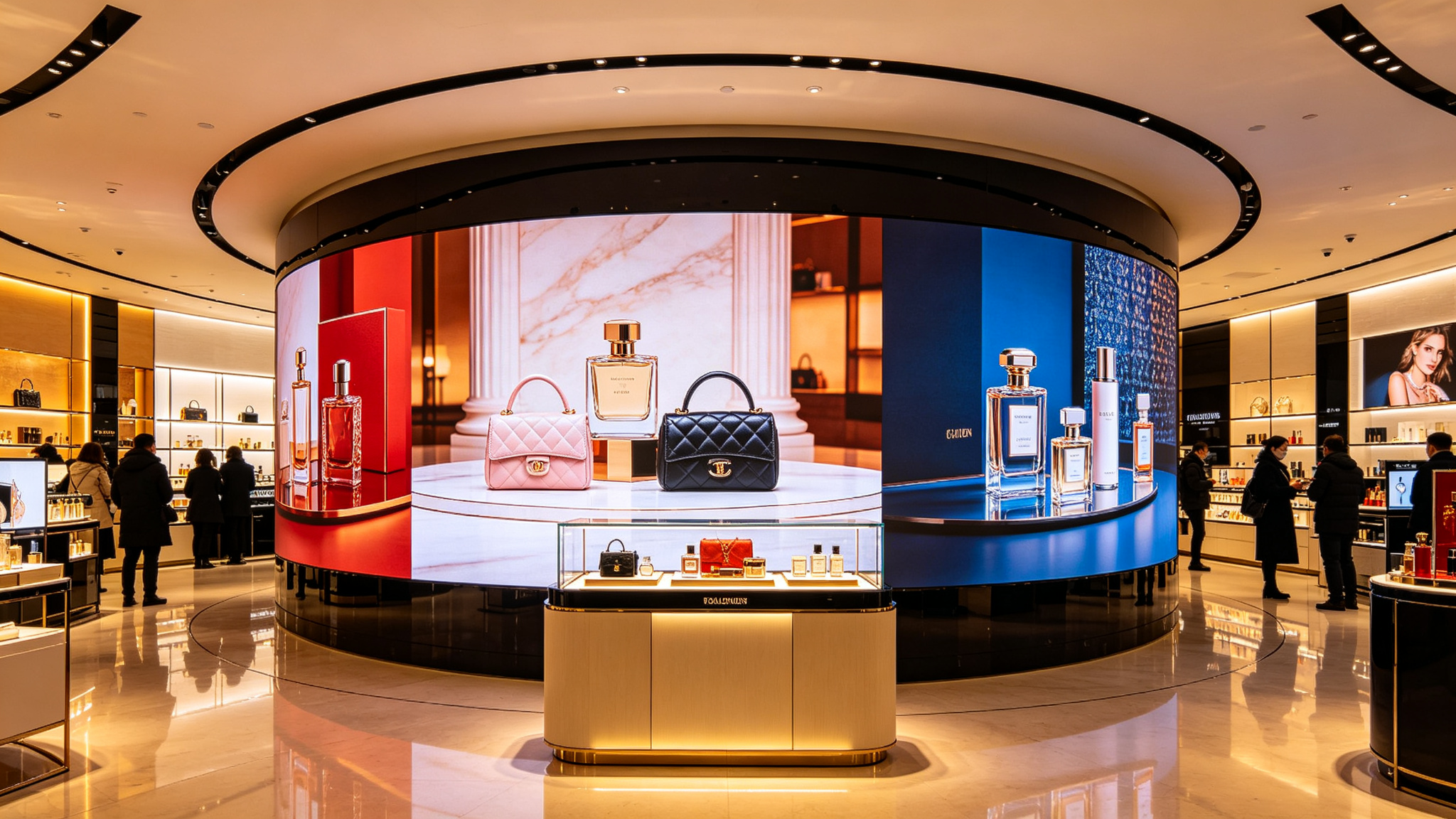
Key Points for Stage LED Display Installation
Stage LED display installation is a systematic project requiring precision from initial cabling to final commissioning. Stonbel leverages COB, SMD, and GOB packaging technologies with full pitch coverage from P0.7 to P10 to meet diverse stage display needs. High refresh rates, robust protection ratings, and rapid deployment capabilities have been validated across multiple projects. Stonbel will continue delivering reliable support to the stage display sector through its manufacturing expertise and service network across 31 provinces.
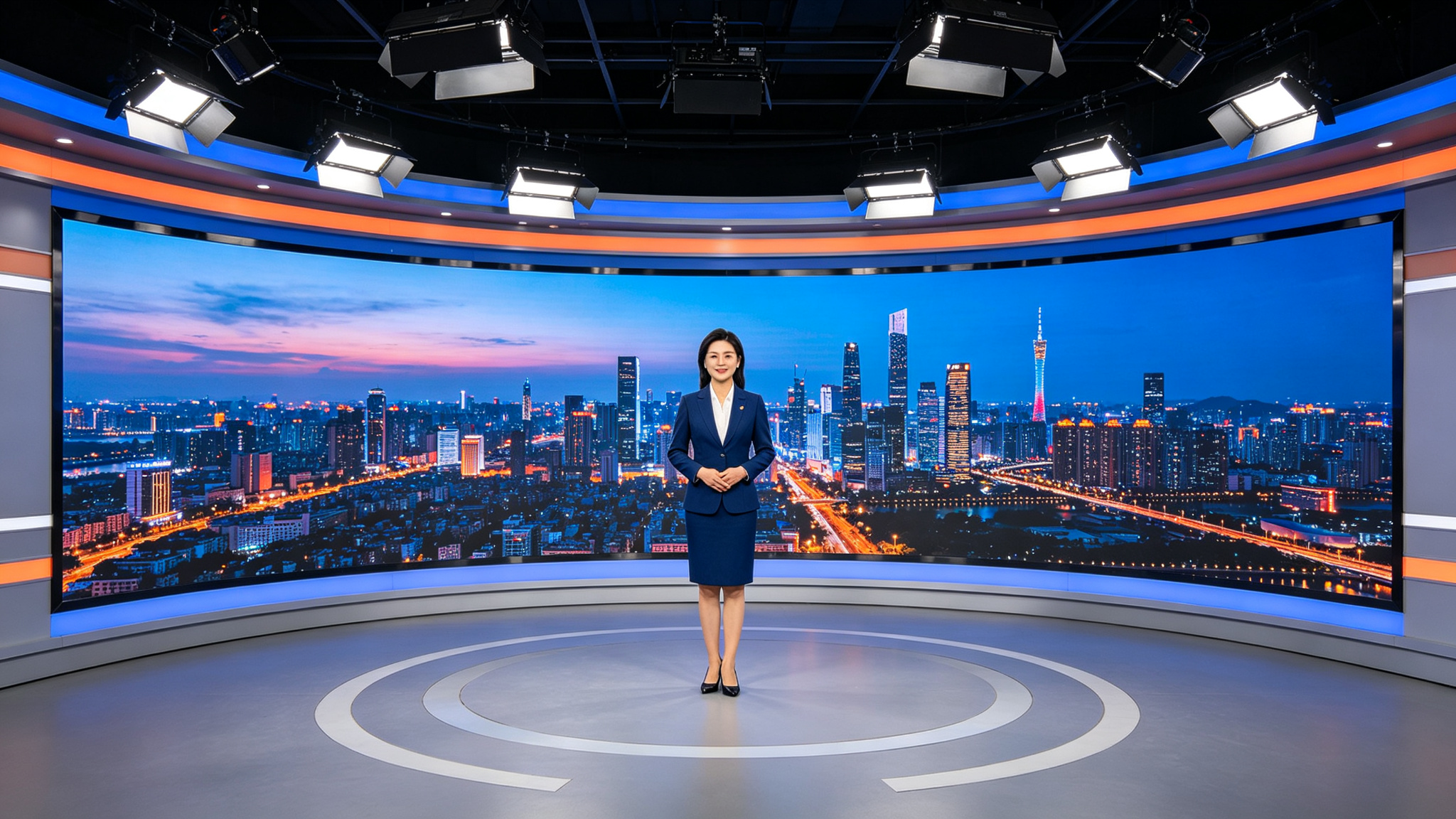
Pre-Installation Cabling: From Design to Execution
Proper cabling is critical for installation efficiency and long-term stability. Calculate total power based on screen area and pixel pitch, select appropriate cable gauges, and reserve capacity. A 50m² P2.5 screen with ~15kW peak load requires a dedicated distribution cabinet with three-phase five-wire supply, surge protection, and residual current devices. Use shielded twisted pair signal cables, routed separately from power lines to prevent electromagnetic interference. Stonbel products support 5G/WiFi/4G connectivity—reserve network ports for remote control. For multi-source setups, use signal distribution to
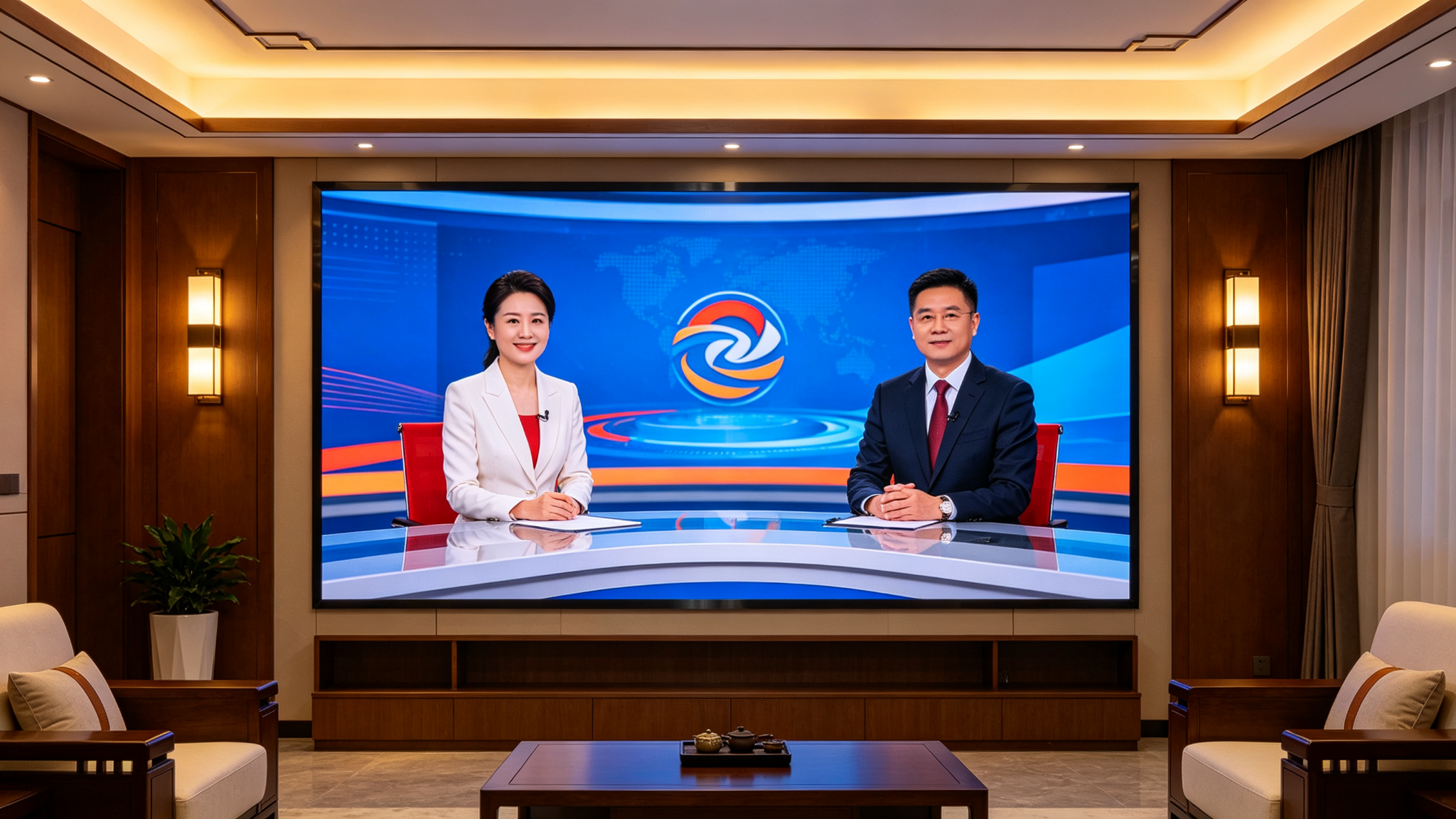
Packaging Technology Selection: SMD, COB, and GOB
Each packaging technology suits different stage applications. SMD offers cost-effective performance for medium pitches (P2-P4). COB delivers superior protection and ultra-fine pitch (down to P0.7) for close-viewing scenarios like studios or product launches. GOB adds a transparent resin layer over lamp beads, enhancing impact and dust resistance—ideal for high-traffic stage areas or floor screens. Stonbel provides all three options across P0.7-P10, enabling optimal selection based on viewing distance, environmental conditions, and budget.
Structural Design & Installation: From Flat to Creative Shapes
Beyond standard flat panels, modern stages often require curved, cylindrical, or custom-shaped displays. Stonbel's modular cabinet design supports flexible configurations, including corner modules and adjustable curvature, enabling seamless creative installations. Lightweight die-cast aluminum cabinets simplify rigging and reduce structural load. For floor applications, GOB-encapsulated modules provide IP65 protection with slim profiles for easy installation and maintenance. Each project includes structural load calculations and installation drawings to ensure safety and precision.
Commissioning, Acceptance & Maintenance: Ensuring Long-Term Reliability
After installation, conduct thorough testing: color calibration, brightness uniformity, refresh rate verification, and signal integrity checks. Stonbel displays feature 7680Hz refresh rates, 22-bit grayscale, and NTSC≥130% color gamut for exceptional image quality. Remote monitoring via 5G/WiFi/4G enables proactive diagnostics. Regular maintenance—cleaning, torque checks, and firmware updates—extends service life. With 31-province service coverage, Stonbel provides rapid on-site support and spare parts availability, minimizing downtime.
Q1: What are the key cabling considerations for stage LED display installation?
A: Cabling directly impacts commissioning efficiency and stability. First, calculate total power from screen area and pixel pitch, then select proper cable gauge with redundancy. A 50m² P2.5 screen (~15kW peak) needs a dedicated distribution cabinet with three-phase five-wire supply, surge protector, and RCD. Use shielded twisted pair for signals, routed separately from power lines to avoid EMI. Stonbel products support 5G/WiFi/4G—reserve network ports for remote control. For multiple sources, use signal distribution to maintain quality. Allow heat dissipation space, bundle cables neatly, and secure against vibration. Leave ≥1.5m slack. Coordinate with lighting/audio/video teams early to define control positions, signal paths, and power needs.
Q2: How to choose the right pixel pitch for a stage LED display?
A: Pixel pitch depends on viewing distance and content. P0.7-P1.8 suits close-viewing studios or premium launches—Stonbel COB achieves P0.7 for ultra-HD clarity. P2-P4 fits mid-size stages balancing quality and cost (SMD is cost-effective here). P5-P10 works for large outdoor events with long viewing distances; outdoor brightness can be customized above 8000cd/m². Stonbel covers P0.7-P10 with SMD/COB/GOB options. For close-up filming, choose below P2 to avoid visible pixels. General rule: minimum viewing distance ≈ pitch × 1000; optimal ≈ pitch × 2000.
Q3: Why is refresh rate important for stage LED displays?
A: Refresh rate (Hz) determines how often the screen updates per second. Low refresh causes scan lines or flicker on camera, ruining broadcasts. Stonbel displays reach 7680Hz—far above typical 1920Hz or 3840Hz—ensuring smooth motion without ghosting for cinema-grade capture. High refresh also reduces eye fatigue. Combined with 22-bit grayscale and NTSC≥130% color gamut, it delivers rich color depth and smooth transitions for immersive stage visuals. For live TV or streaming, high refresh is essential for broadcast quality.
Q4: How to select the protection rating (IP) for stage LED displays?
A: IP rating indicates dust/water resistance. Indoor stages: IP40 or higher. Outdoor or harsh environments: IP65 recommended. Stonbel achieves IP65, with GOB packaging adding a transparent resin layer for dust and impact resistance—ideal for crowded stage areas. For stages with water spray or haze effects, choose high-IP products with sealed connectors. IP65 means full dust protection and water jet resistance, handling outdoor weather. For floor screens, Stonbel GOB provides IP65 with lightweight modules for easy installation;
Stage LED display installation is a systematic process requiring precision at every stage, from pre-wiring to final commissioning. Stonbel supports diverse stage requirements with COB, SMD, and GOB packaging and a full pitch range from P0.7 to P10. Proven in projects such as Hunan Provincial Military Command, SF Express HQ, and Guiyang Big Data Center, our displays feature 7680Hz refresh, IP65 protection, and 10-second per-cabinet assembly. As a top-10 Chinese LED manufacturer, Stonbel holds 3C, CE, FCC, ISO14001, ISO9001, ROHS, military, and confidentiality certifications, serving clients like Huawei, Peking University, and Beijing Union Medical College Hospital with a 31-province service network. We remain committed to delivering one-stop solutions—design, customization, and training—for both rental and permanent installations, ensuring stable, reliable stage visuals.