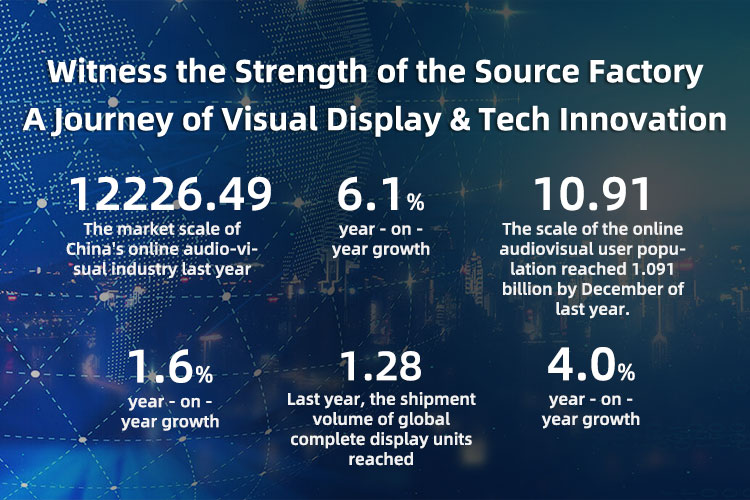
Stonbel, a top-10 Chinese LED display manufacturer and long-term national broadcast project supplier, draws on hundreds of studio and control center deployments to outline critical control points for broadcast LED display installation—from site survey, power and signal cabling, module selection, to system integration—with emphasis on pre-wiring standards to help users avoid engineering pitfalls and build reliable ultra-HD visual platforms.
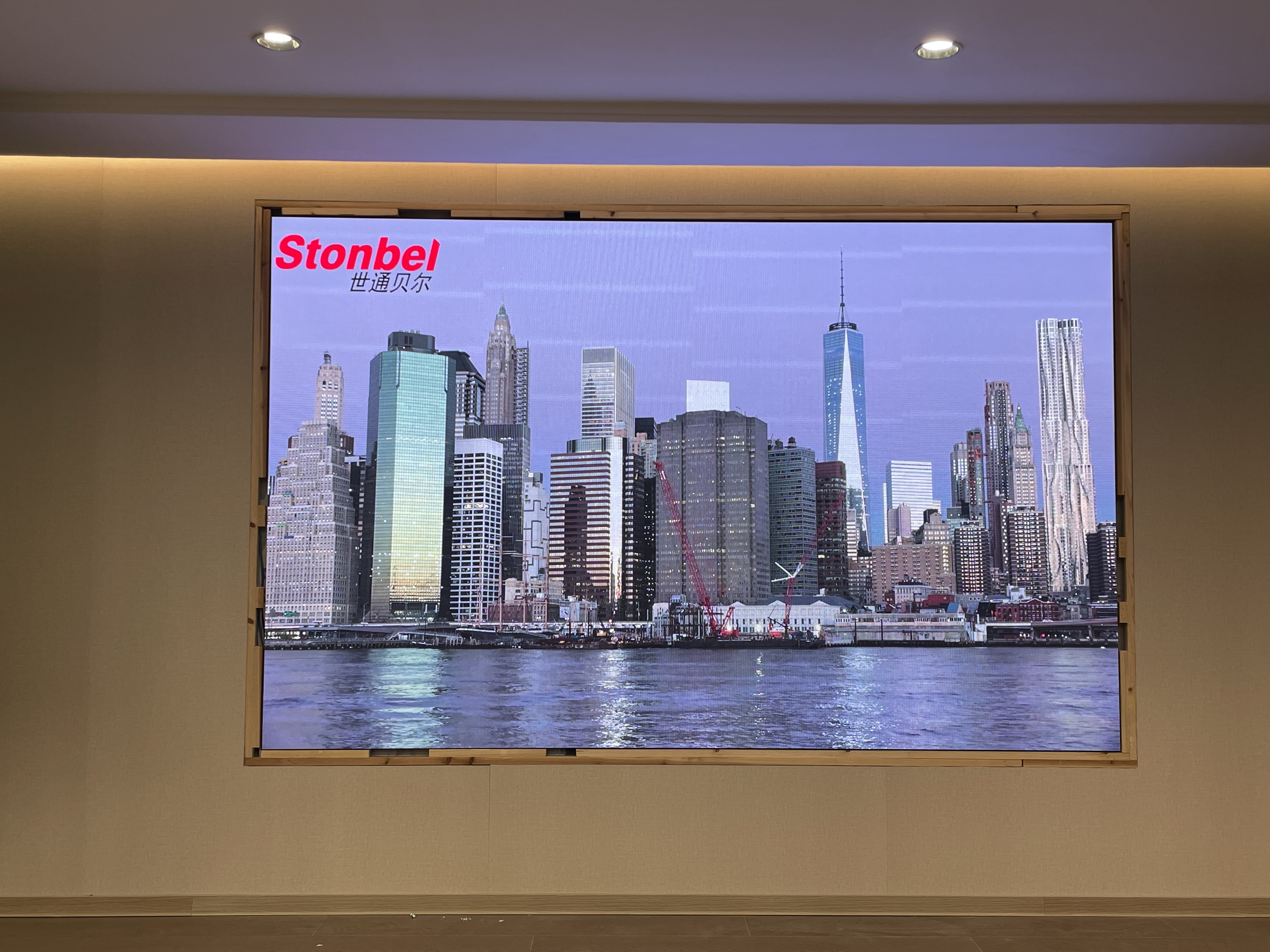
Core Approach: Professional Installation & Structured Cabling
Installing broadcast-grade LED displays is a systematic project involving structural safety, electromagnetic compatibility, thermal management, and signal integrity—not just assembling panels. Stonbel's engineering team strictly follows the "Code for Construction and Acceptance of Electronic Information System Room" and broadcast industry standards. We emphasize a modular, zoned, and redundant cabling strategy during pre-installation. Within studio trenches or ceiling trays, signal, power, control, and audio cables are routed in separate zones. Power and signal cables maintain a minimum separation of 50cm. All signal cables use shielded
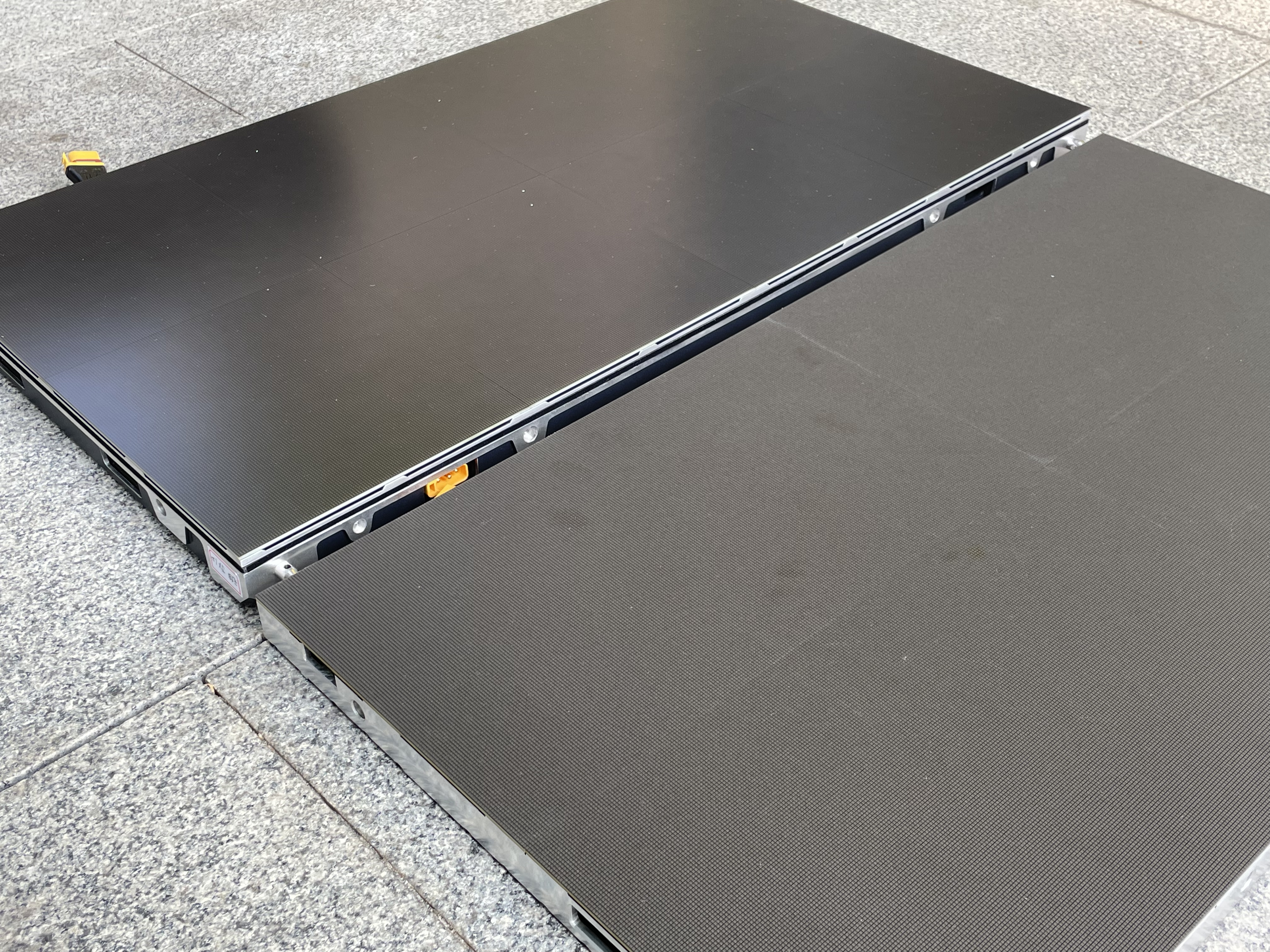
Detailed Process: Full Workflow & Calibration Standards
Stonbel provides a closed-loop management service for broadcast LED displays, covering site survey, design, manufacturing, installation, and commissioning. Before installation, we use 3D laser scanners for millimeter-level mapping of walls or steel structures. Dedicated load-bearing brackets are designed based on panel weight (COB module cabinet weight ≤8kg), and pull-out tests are conducted on embedded parts. During installation, precision laser locators and high-accuracy levels ensure cabinet alignment, achieving a flatness error of ≤0.5mm and seam gap of ≤0.1mm, eliminating any mosaic or misalignment. After
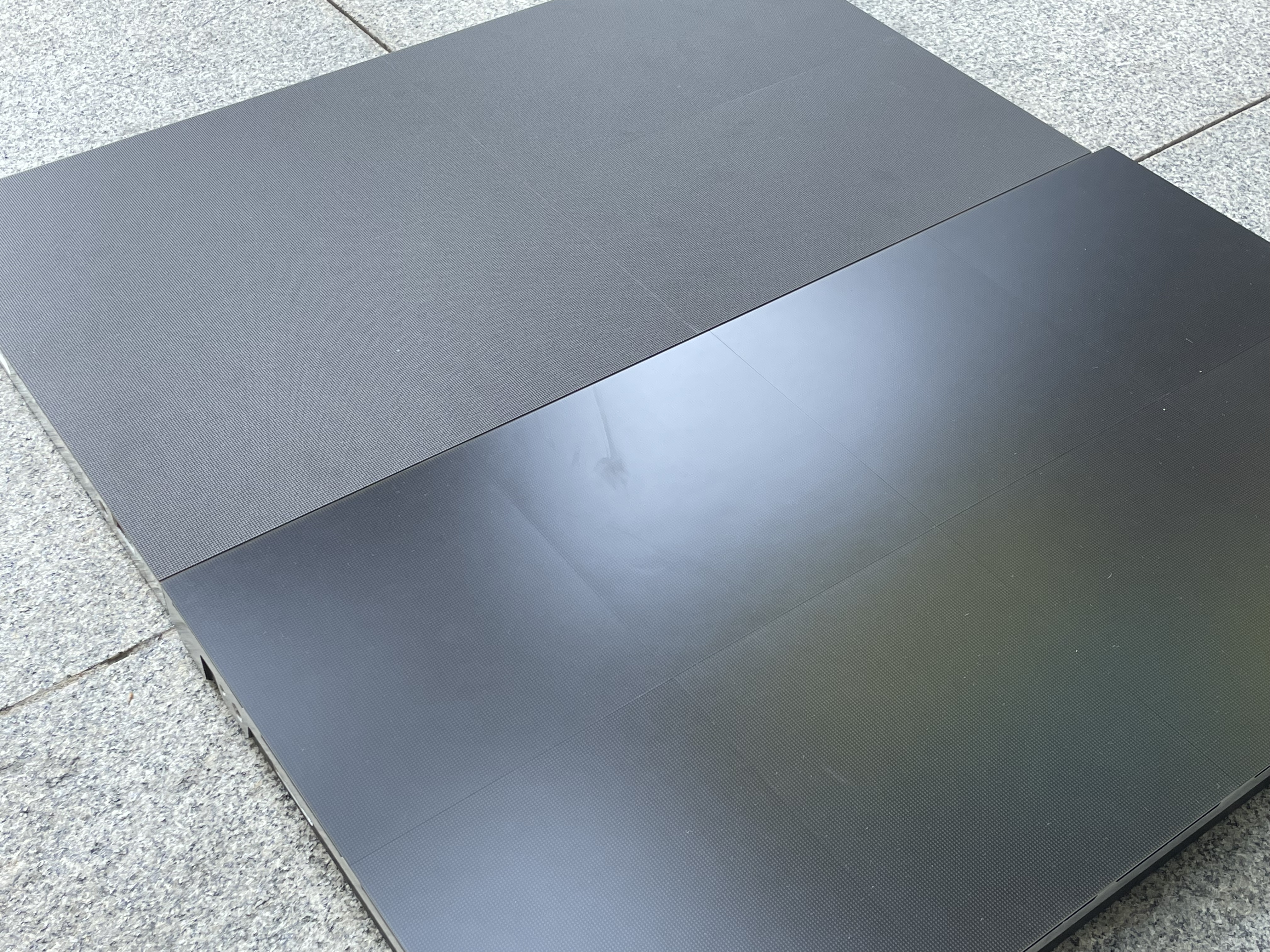
Official Insight: Security Control & Remote Maintenance System
The broadcast industry demands high standards for transmission security and information confidentiality. Stonbel holds military and classified project qualifications, offering full-process security control for broadcast LED display projects from design to maintenance. On the hardware level, we prioritize high-reliability PWM driver ICs and redundant power modules supporting hot-swap for critical components, ensuring continuous operation even if a single power module fails. At the system level, Stonbel provides a network-based remote maintenance platform. Built-in temperature/humidity sensors, power monitoring modules,
Value & Impact: Technology Evolution & Industry Enablement
With the advancement of 5G+8K ultra-high-definition video policies, broadcast LED displays are evolving from simple display terminals into integrated platforms combining display, interaction, and computing. Stonbel continues to deepen its focus on the broadcast industry, leveraging a full product matrix—including COB fine-pitch displays (P0.7-P1.8), LED displays supporting 7680Hz refresh rate and 22-bit grayscale, and conference all-in-one machines with touch and remote collaboration—to provide end-to-end solutions from studios to control centers. In the Hangzhou Songcheng immersive exhibition project, Stonbel used seamless LED fine-pitch splicing with edge-blending technology to create a full-wall immersive display system. Integrated with intelligent control for dynamic scene switching and visitor interaction, visitor satisfaction increased by 85%
Q1: Why is separating high and low voltage cables crucial during broadcast LED display installation?
A: Broadcast LED displays require pristine signal integrity. Any electromagnetic interference can cause rolling lines, random noise, or signal interruption on screen. If power and signal cables share a conduit, the alternating electromagnetic field from power lines couples into signal lines, causing irreversible picture degradation. Stonbel strictly separates power and signal cables into different conduits/trays with a minimum 50cm spacing, using shielded twisted pair or fiber optic transmission for signal lines to physically isolate interference. Additionally, power cables are enclosed in metal trays with grounding resistance below 1 ohm, eliminating common-mode interference and ensuring a stable, clear picture. For critical signal links, we recommend dual-link redundant backup with automatic switching to guarantee broadcast safety.
Q2: What protection rating is required for broadcast LED displays?
A: Broadcast studios and control rooms are typically clean environments, but accidental liquid spills, damp cloth cleaning, and fine dust from HVAC systems are possible. Stonbel recommends modules with IP65 protection. IP65 means fully dust-tight and protected against powerful water jets, effectively safeguarding LEDs and driver ICs to extend display life. For COB-based broadcast LED displays, the smooth, flat panel is easier to clean and maintain, with no exposed LEDs, offering better impact resistance. For outdoor broadcasting or temporary setups, Stonbel offers GOB-encapsulated products with IP65+ protection, applying a transparent resin layer over SMD LEDs for a sealed surface, balancing high protection with cost-effectiveness for complex outdoor conditions.
Q3: How is color accuracy ensured to meet broadcast standards?
A: Color accuracy directly impacts the faithful reproduction of program content. Stonbel broadcast LED displays use premium LED chips with a color gamut of up to NTSC≥130%, delivering rich, vibrant colors. During installation and commissioning, we use professional color analyzers (e.g., Konica Minolta CA-310) for point-by-point calibration, unifying brightness and chromaticity coordinates to eliminate module-to-module color differences, and precisely adjust color temperature to the D65 (6500K) broadcast standard. The displays support 22-bit grayscale processing for exceptionally smooth color transitions without banding. For HDR production, the displays support high dynamic range with customizable peak brightness up to 8000cd/m², meeting shooting requirements in various lighting conditions and ensuring precise color reproduction with clear detail.
Q4: Why is the refresh rate important for broadcast LED displays?
A: Refresh rate determines screen flicker and is one of the most critical parameters for broadcast cameras. Under studio lighting, insufficient refresh rates cause black scan lines or strobing in high-speed shutter or slow-motion shots, severely affecting recording quality. Stonbel broadcast LED displays offer refresh rates up to 7680Hz, far exceeding the human eye comfort threshold (≥1920Hz) and broadcast production requirements (≥3840Hz), ensuring clear, smooth, scan-line-free images even in high-speed or slow-motion capture. High refresh rates also enhance dynamic performance, eliminating motion blur and ghosting, providing an exceptionally smooth visual experience for sports broadcasts, variety shows, and similar applications.
Broadcast LED display installation is a composite discipline merging structural, electronic, and aesthetic engineering. Stonbel, with top-10 industry R&D and manufacturing strength, full certifications (3C/CE/FCC/ISO), and service networks across 31 provinces, has delivered projects for national ministries, Peking University, Peking Union Medical College Hospital, and Guangdong Emergency Management Department. Every precise splice, compliant cable, and crisp frame upholds our commitment to broadcast safety. Choose Stonbel for reliable, efficient, sustainable visual assurance.