Energy centers, as operational hubs for power, petrochemical, and mining industries, impose stringent requirements on display quality, stability, and environmental adaptability in their monitoring halls and dispatch centers. With over a decade of LED manufacturing experience, Stonbel offers a complete product matrix from COB fine-pitch to high-protection GOB packaging for energy sector clients. This article, grounded in real delivery cases, focuses on technical points for selecting brightness and color temperature in energy center LED displays, combined with practical ambient light adaptation experience, to provide procurement decision-makers with quantifiable selection references. All data comes from Stonbel's actual project records and product test parameters, ensuring professionalism and credibility. Selecting an LED display for an energy center is not a single-parameter comparison but requires comprehensive consideration of installation environment lighting, viewing distance, operating hours, and maintenance capability. As one of China's top ten LED display companies, Stonbel offers a full product line from P0.7 to P10, with certifications including 3C, CE, and ISO9001. We have served clients such as Huawei, Peking University, and Peking Union Medical College Hospital, with resident service points in all 31 provinces for rapid response. If you are planning an upgrade to your energy center's display system, contact our engineers for customized solutions.
Project Background: Challenges of Traditional Video Walls in Energy Dispatch
A provincial energy dispatch center's legacy video wall, built on traditional LCD拼接, suffered from severe image fragmentation due to bezels when displaying multi-source real-time data like grid load, oil/gas pipelines, and weather alerts. Direct sunlight caused screen whitening during the day, while high brightness at night led to visual fatigue. The center required an LED display capable of adapting to all-day lighting changes for 24/7 operations. Site surveys revealed an 18-meter hall depth, viewing distances from 3 to 15 meters, and significant variations in incident light angles from large windows. A
Delivery Highlights: Seamless Splicing & Adaptive Ambient Light System
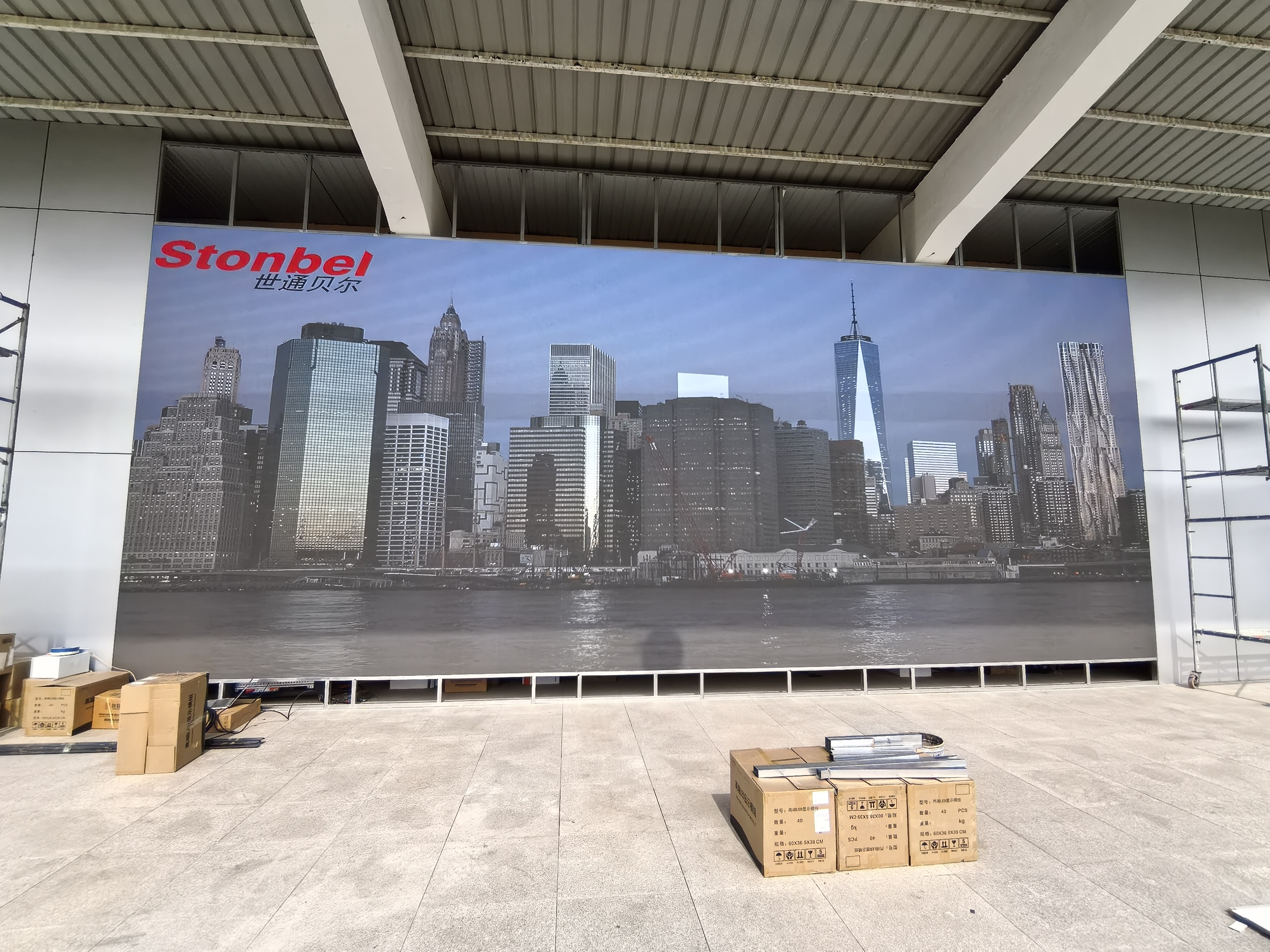
This 150㎡ energy center LED display utilizes COB technology, with LEDs directly bonded to the PCB, eliminating the granular look of SMD. The seamless structure resolves visual discontinuity. 4K input and the 64+ channel processor allow dispatchers to display grid maps, video, and weather radar in any layout. Industrial-grade cooling ensures stable operation during summer heat. To address ambient light, the display is equipped with an ambient light sensor that automatically adjusts brightness and color temperature. It
Core Specs: COB vs. SMD/GOB Comparison
The display features COB packaging, P1.2 pitch, 7680Hz refresh, 22-bit grayscale, NTSC≥130% color gamut, and IP65 rating. Brightness is adjustable from 200-2000cd/㎡, with ≥99% uniformity via calibration. COB allows for pitches as small as P0.7; P1.2 was chosen for cost-effectiveness. The die-cast aluminum cabinet is lightweight (≤8kg) and slim (≤28mm), supporting front maintenance. Color temperature is configurable by zone: 3200K-9300K for the dispatch hall to match natural light, and
Client Feedback: Performance Validation
Three months of post-delivery tracking confirmed success. The dispatch center head noted the auto-brightness feature significantly improved shift transitions, reducing eye strain for night staff. Cross-departmental emergency response time dropped by 60% thanks to the 64-channel sync capability. Annual failure rate is below 0.2%. The maintenance team highlighted that the COB's gapless surface reduces dust accumulation, and IP65
Q1: How to choose brightness for an energy center LED display?
A: For indoor dispatch halls, choose an adjustable model (200-2000cd/㎡) with an ambient light sensor. This ensures clarity under direct sunlight (maintaining >800cd/㎡ in 50,000 Lux) and prevents night-time glare. For outdoor areas like fuel depots, use SMD high-brightness models (up to 8000cd/㎡). Stonbel engineers can perform on-site lux measurements and provide zoned brightness recommendations based on viewing distance and screen orientation.
Q2: What color temperature is suitable for an energy center LED display?
A: Use 6500K cool white during the day for alertness and 4000K warm white at night to reduce eye strain. Stonbel displays offer a wide 3200K-9300K range with preset modes (Day/Night/Meeting/Emergency) and weekly scheduling. In our provincial project, the dispatch hall used adjustable temperature, while the equipment room was fixed at 5500K for neutral color rendering. Pixel-by-pixel calibration ensures ≥99% uniformity.
Q3: What IP rating is required for an energy center LED display?
A: Indoor dispatch centers need at least IP40; IP65 is recommended if cleaning involves water. Outdoor or high-humidity/dust areas (e.g., mine entrances, fuel tank areas) require IP65 or higher. Stonbel's GOB packaging achieves IP65+ at a lower cost than COB. For substations, consider IP66 with salt-spray testing. A higher IP rating ensures continuous operation during critical emergency dispatches.
Q4: How to choose between COB and SMD packaging for an energy center?
A: COB is ideal for dispatch centers requiring top image quality (P0.7 minimum pitch), seamless splicing, and IP65 protection, though at a higher cost. Its chip-on-board structure is highly reliable for 24/7 operation. SMD is cost-effective, offers high brightness (up to 8000cd/㎡), and suits outdoor or large screens viewed from a distance. GOB is a middle ground, offering IP65+ protection at a lower cost than COB. A hybrid approach is often best: COB for the main hall, GOB for auxiliary areas, and SMD for outdoors. Stonbel provides comparison testing and sample screens.
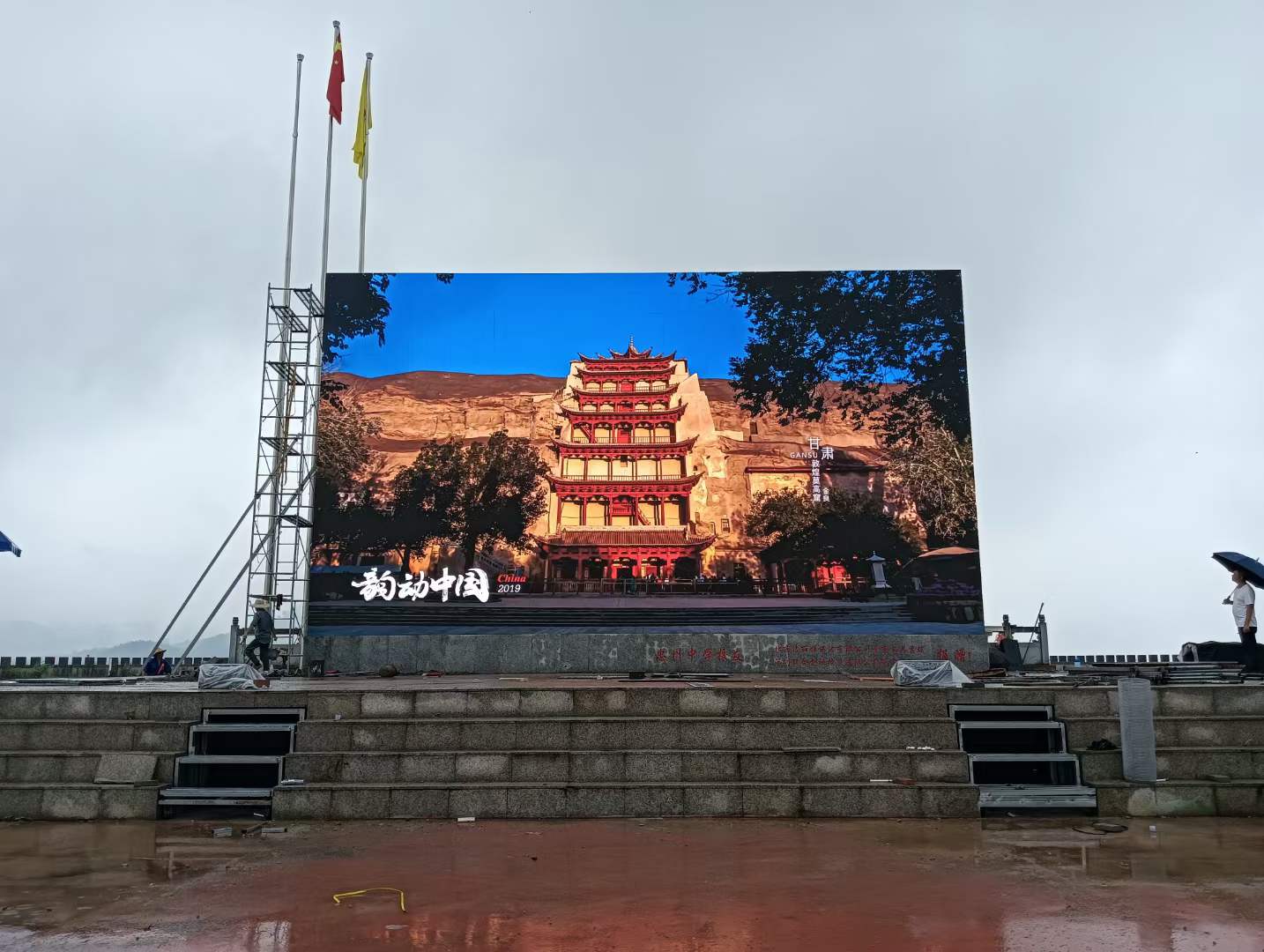
Selecting an LED display for an energy center is a systematic project; precise adaptation of brightness and color temperature directly impacts dispatch efficiency and operational safety. With a complete layout of COB, SMD, and GOB packaging technologies, and a full product matrix from P0.7 to P10, Stonbel provides tailored display solutions for energy projects with varying budgets and environmental requirements. Whether it's a 150㎡ COB seamless screen for a provincial emergency management command center or a combination of 30㎡ GOB irregular screen and 20㎡ interactive floor tile screen in a scenic cave, each delivery validates the correctness of technical selection with quantifiable results—65% improvement in image clarity, 60% reduction in emergency response time, and annual equipment failure rate below 0.2%. As one of China's top ten LED display companies, Stonbel holds certifications including 3C, CE, FCC, ISO9001, ISO14001, ROHS, and military/confidential qualifications, with a service network covering all 31 provinces to ensure long-term maintenance after delivery. We believe that selection advice backed by real parameters and cases helps every energy industry client avoid 'parameter traps' and find a display solution that truly fits their scenario. If you are planning an upgrade to your energy center's display system, contact our engineers for customized solutions and prototype testing support.