Stonbel's industrial DDR4/DDR5 memory meets stringent financial IT innovation and cybersecurity compliance through certifications from 3C to military-grade confidentiality, JEDEC standards, and wide-temperature design. As a source factory, it offers full lifecycle support, balancing performance, compliance, and cost control for core business continuity and ROI.
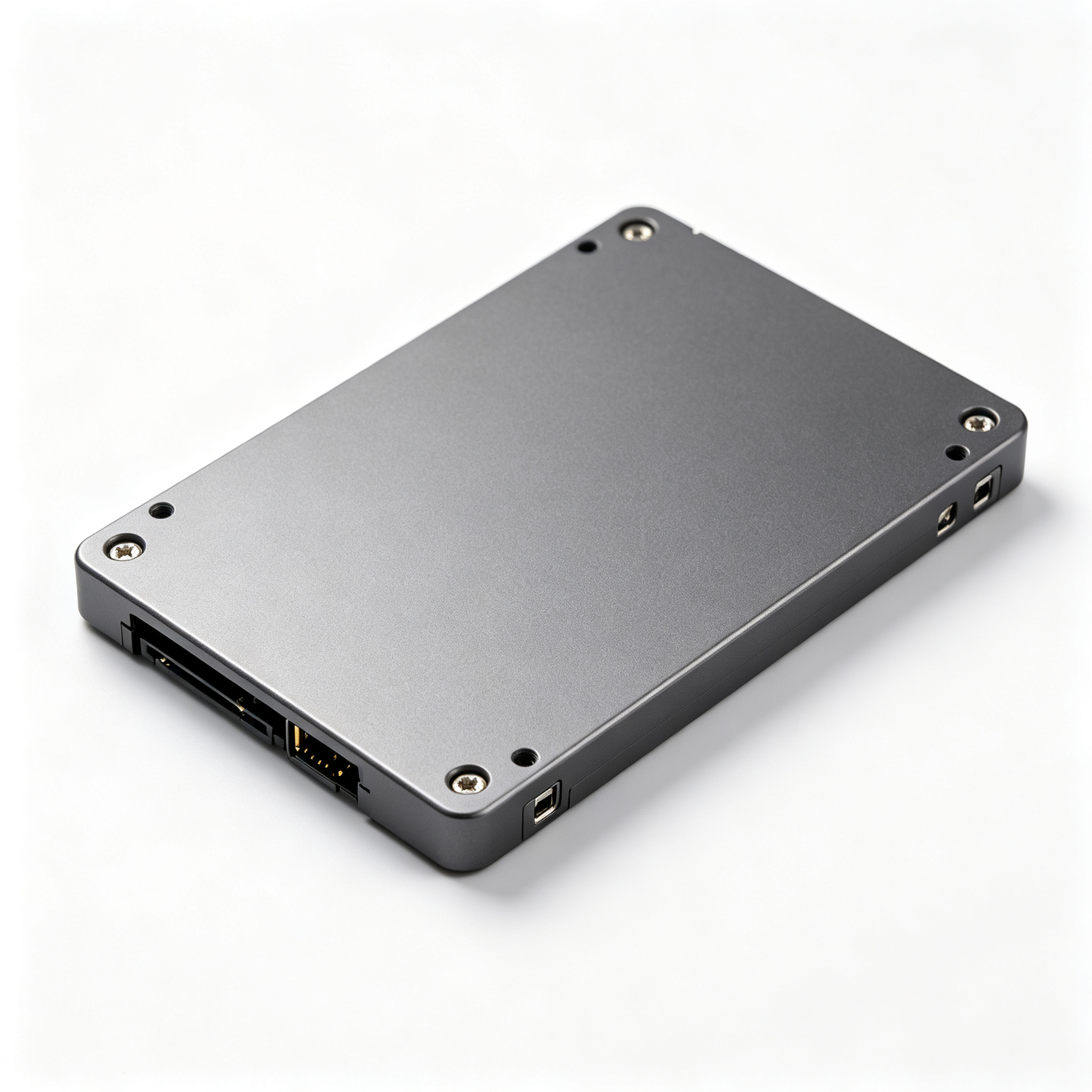
Certifications: From Military Standards to Financial Compliance
Stonbel's DDR4/DDR5 industrial memory for financial core systems has passed 3C, CE, FCC, ISO14001, ISO9001, and ROHS certifications, and holds military and classified project qualifications covering the GJB7400 N1 standard. These certifications are not mere compliance labels but hard constraints on product quality across the entire lifecycle. The military classified qualification, for instance, requires strict confidentiality management and production environment control, including physical isolation of production workshops, tiered personnel access, and material flow tracking. Stonbel extends this standard to civilian financial

Standards Explained: JEDEC Compliance and Wide-Temp Design
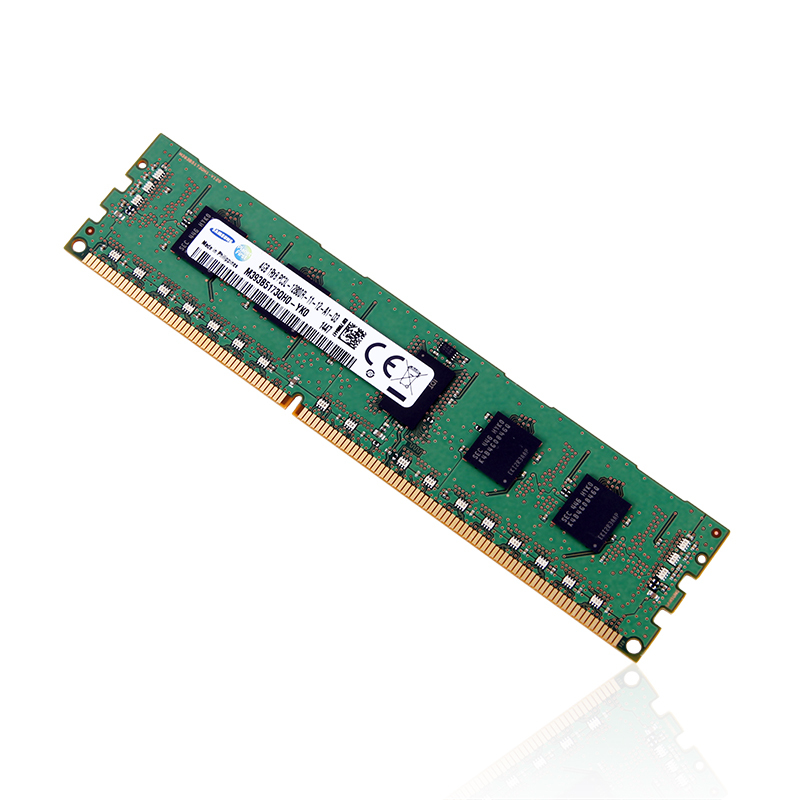
Stonbel's DDR4/DDR5 industrial memory strictly follows JEDEC JESD79-4 (DDR4) and JESD79-5 (DDR5) standards, using a 288-pin DIMM design with voltage as low as 1.1V. DDR5 covers speeds from 6400MHz to 7200MHz and capacities from 8GB to 64GB; the DDR5 Wide Temp ECC version supports 5600MT/s with 16GB to 48GB capacities and integrates on-die ECC. DDR4 wide-temp versions run at 4800-5600MHz with 4Gb to 32Gb capacities, support ECC, and operate from -40°C to 85°C. These parameters are deeply coupled with high-concurrency financial trading scenarios. For example, DDR5's on-die ECC automatically corrects single-bit errors during writes, preventing transaction data errors from bit flips.
Product Coverage: From Memory to All-Flash NVMe Storage
As a storage and AI computing provider, Stonbel's memory integrates seamlessly with its industrial wide-temp SSDs and distributed storage solutions, creating end-to-end optimization from memory to storage. In financial core systems, DDR5 paired with NVMe SSDs significantly reduces memory-to-disk latency, boosting overall IOPS. For instance, Stonbel industrial NVMe drives cut data processing latency in high-speed capture scenarios by over 60%, complementing DDR5's high bandwidth. This co-design lets clients avoid matching hardware from different vendors, shortening deployment cycles by over 30%. More critically, Stonbel offers intelligent data tiering and cold/hot archiving, automatically placing hot data on NVMe, warm data on SSDs, and cold data on low-cost media, reducing storage costs by over 30% while maintaining low
Customer Value: Xinchuang Compliance and Lifecycle Cost Savings
Stonbel's DDR4/DDR5 industrial memory fully supports domestic CPUs (e.g., Kunpeng, Phytium, Hygon) and Kylin/UOS operating systems, meeting financial industry MLPS 2.0 and Level 3 information security requirements. In Xinchuang projects, clients pass compliance audits without additional adaptation, shortening acceptance cycles. As the source manufacturer, Stonbel provides one-stop service from selection to deployment, eliminating extensive compatibility testing and delivering high-reliability solutions that cut costs and boost efficiency. Specifically, this reduces pre-project preparation time by over 30%
Q1: What is the difference between industrial DDR4/DDR5 memory for financial core systems and regular memory?
A: Industrial DDR4/DDR5 memory for financial core systems is designed for high-reliability scenarios, with an operating range of -40°C to 95°C, far exceeding the 0-70°C of regular memory. It supports on-die ECC to auto-correct data errors, ensuring transaction data consistency. It also meets JEDEC standards (JESD79-4/5) with a 288-pin design and 1.1V low voltage for lower power consumption. Regular memory lacks these industrial features and is prone to errors under high temperature or prolonged operation. Additionally, industrial memory features anti-sulfidation and anti-vibration designs to maintain signal integrity in 24/7 financial data centers,
Q2: How should I choose between DDR4 and DDR5 memory for financial core systems?
A: The choice depends on your platform and performance needs. DDR5 offers speeds of 4800-7200MHz—twice DDR4—with lower 1.1V voltage, reduced power, and on-die ECC for enhanced reliability, ideal for new core systems or high-concurrency trading. DDR4 runs at 4800-5600MHz, is compatible with older motherboards, and costs less. Stonbel offers both versions, allowing flexible selection based on server motherboard support and budget, with factory compatibility testing. If you are deploying a new core system on latest-generation domestic CPUs (e.g., Kunpeng 920, Phytium S2500), DDR5's 6400MHz speed fully unlocks CPU memory bandwidth, pairing with NVMe SSDs for end-to-end low latency. For expanding or
Q3: What certifications are required for memory in financial core systems?
A: Memory for financial core systems must pass 3C, CE, FCC, and ISO9001 certifications to ensure electromagnetic compatibility and quality management. Stonbel's industrial DDR4/DDR5 memory also holds military and classified project qualifications, meeting GJB7400 N1, and is compatible with domestic CPUs and operating systems, passing Xinchuang compliance. These certifications ensure stable operation in demanding financial data centers and meet MLPS 2.0 audit requirements. Specifically, GJB7400 N1 sets requirements for reliability, environmental adaptability, and batch consistency of military electronic components, including thermal cycling, constant acceleration, and salt spray tests. Stonbel applies this standard to financial-grade products, ensuring stable memory operation under high temperature, humidity, and salt spray. ISO14001
Q4: How does industrial DDR4/DDR5 memory improve data consistency in financial core systems?
A: The memory supports on-die ECC, detecting and correcting single-bit errors during writes to prevent transaction data errors from bit flips. The wide-temp design (-40°C to 95°C) maintains signal stability during cooling failures or in unregulated edge nodes, reducing data loss risk from high temperatures. Paired with Stonbel's distributed storage, it delivers end-to-end data consistency, meeting high-reliability requirements. On-die ECC integrates correction circuits within each DRAM chip, correcting single-bit errors in real time without consuming system CPU resources. For financial core systems, this keeps memory error rates extremely low even under hundreds of thousands of transactions per second. Additionally, Stonbel's distributed storage provides multi-replica and erasure coding (2-replica, 3-replica, EC) for data redundancy at the storage layer,
Stonbel's industrial DDR4/DDR5 memory delivers military-grade certification, JEDEC wide-temperature compliance, and full-stack storage synergy, ensuring end-to-end reliability for banking and securities core systems. In GPU computing and distributed storage architectures, it reduces core transaction latency by 60% while meeting compliance. With a 31-province service network and clients like Huawei, Peking University, and Beijing Union Medical College Hospital, Stonbel provides scalable, low-TCO infrastructure for future real-time, intelligent financial services.