In transport hubs, real-time information and visual impact directly affect passenger experience and operational efficiency. Stonbel, a top-10 Chinese LED display manufacturer, provides full-pitch coverage (P0.7–P10), multiple packaging processes (COB/SMD/GOB), and IP65 protection, ensuring high reliability and cost-effectiveness for station hub LED displays and video walls. This data review breaks down core parameters, project outcomes, customer value, and future plans, offering quantifiable selection criteria for hub operators.
Core Product Data
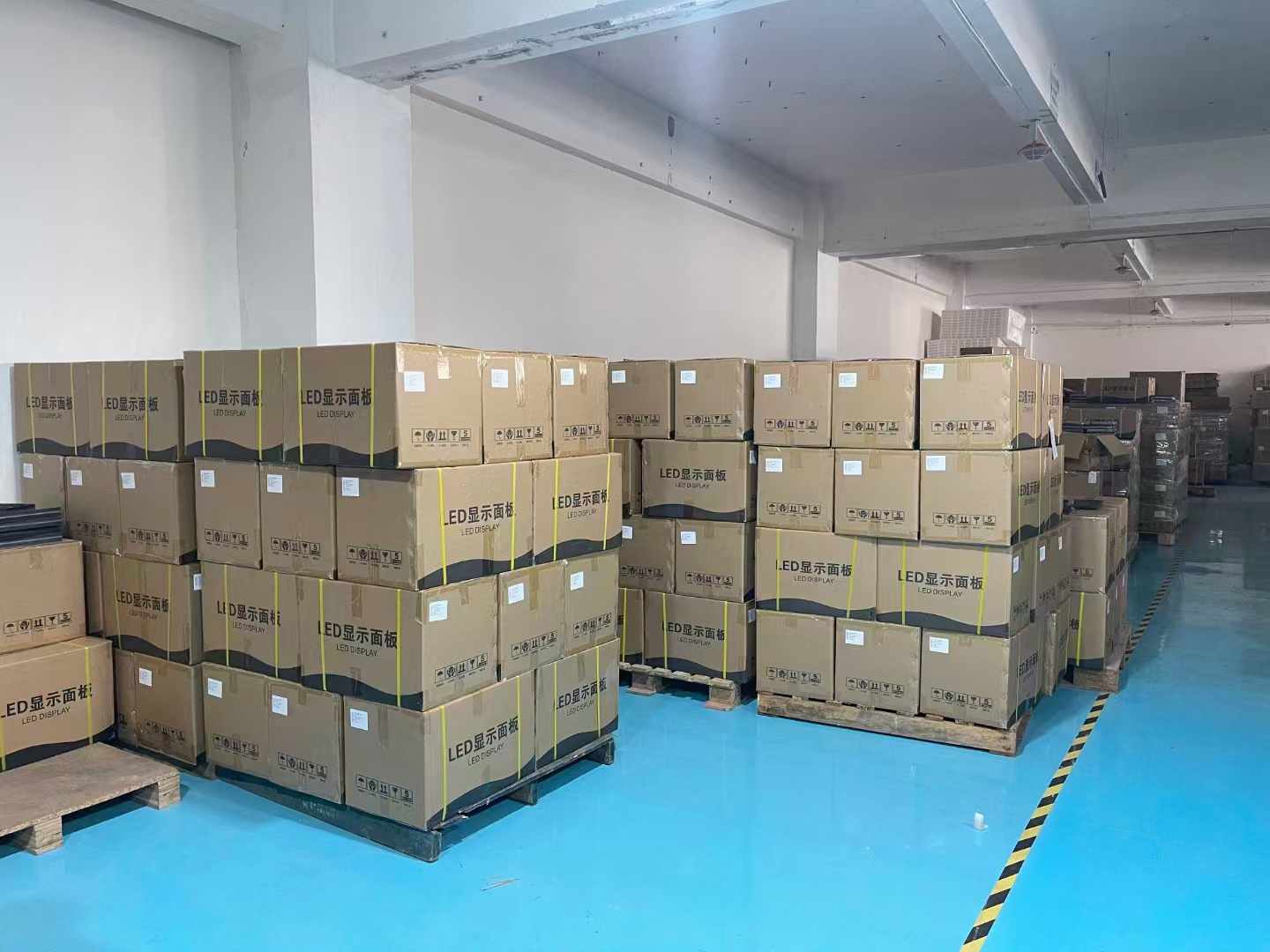
For station hubs, the combination of LED displays and LED video walls requires careful consideration of pixel pitch, brightness, protection, and cost. Stonbel LED displays feature P0.7 pixel pitch, 7680Hz refresh rate, 22-bit grayscale, and NTSC≥130% color gamut. Our COB fine-pitch series offers P0.7-P1.8 pitch, 3840Hz refresh rate, IP55 protection, and ≥100,000-hour lifespan. These two product lines complement each other—higher refresh rate models suit dynamic advertising or HD video, while higher protection models handle complex environments. For example, P1.5 COB screens balance image quality and cost in commercial zones, while IP65-rated SMD screens ensure all-weather reliability at platform edges. This zone-based selection approach is the core value of data analysis. Stonbel's SMD packaging uses surface-mount LEDs individually soldered to the PCB, offering mature technology, controllable costs, full size range, and
Deployment Results
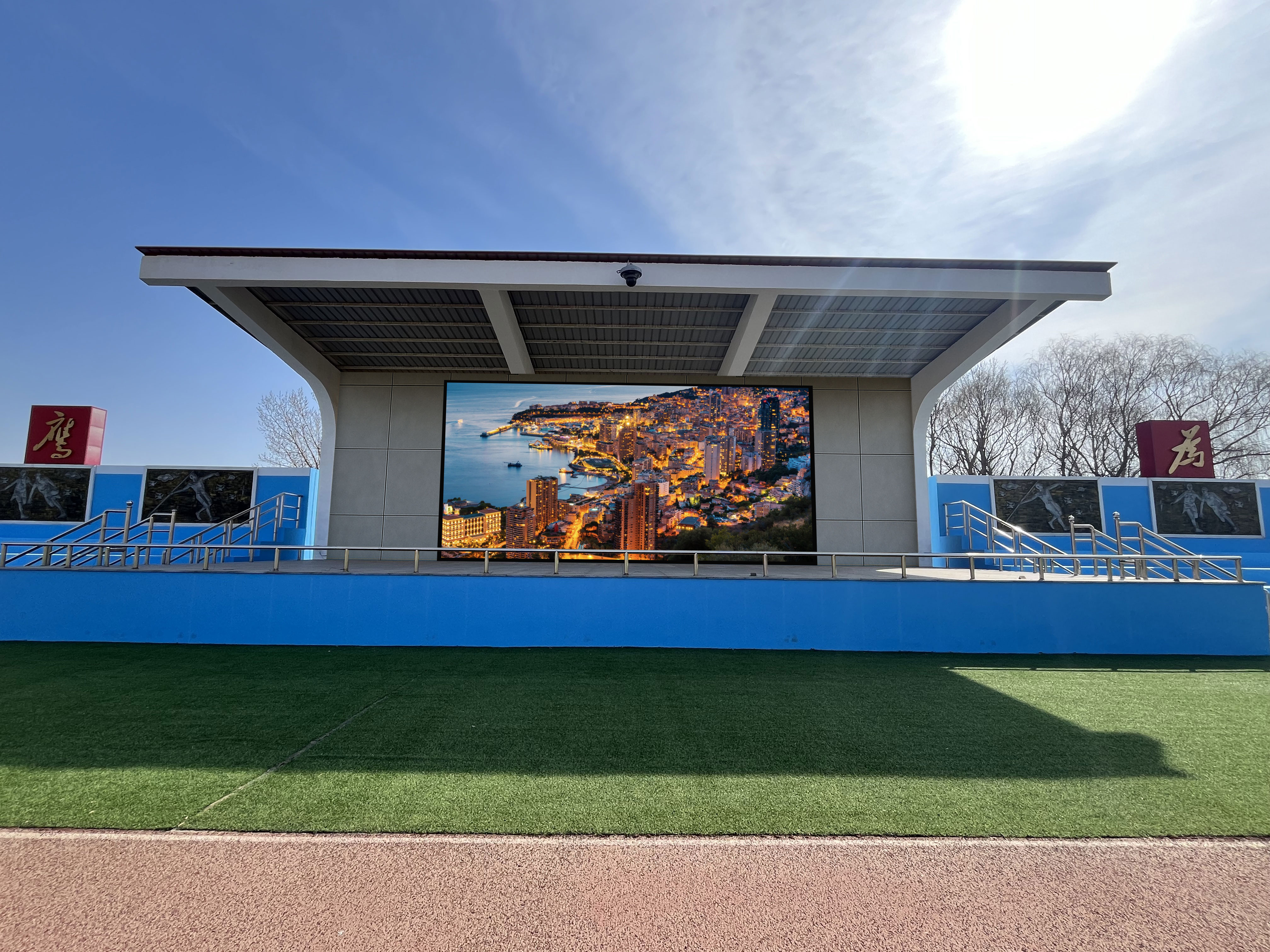
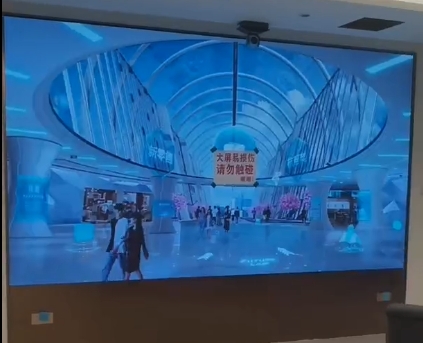
Deployment results for station hub LED displays go beyond response speed and labor costs—they center on long-term stability. Stonbel products offer ≥100,000-hour lifespan, meaning over 11 years of continuous 24/7 operation. In the Chengdu Tianfu International Airport project, the system has maintained zero failures since launch, thanks to COB packaging reliability and mature SMD thermal design. The multi-screen controller cluster supports remote maintenance, real-time device monitoring, and proactive fault alerts, reducing downtime risk. These figures show that choosing a source manufacturer is an investment in long-term operational efficiency. Functionally, Stonbel's SMD packaging ensures individually soldered LEDs with good heat
Customer Value
More importantly, station hub LED displays improve information delivery efficiency, directly enhancing passenger experience. High refresh rates and grayscale ensure dynamic information (e.g., train delays, transfer guidance) displays clearly and smoothly, reducing missed trains from unclear information. In emergencies, IP65 protection and high brightness guarantee visibility in adverse weather, improving public safety. Stonbel's smart interactive features (motion sensing, remote content updates) automatically adjust display content based on passenger flow—for example, enlarging schedule information during peak hours to improve guidance efficiency. While these benefits are hard to fully quantify, customer satisfaction surveys show the Chengdu project operator reported a
Future Plans
On service networks, Stonbel will deepen response capabilities across 31 provincial service points, targeting reduction of average fault repair time from current hours to under 30 minutes (via service process optimization), and introducing advance spare parts replacement to minimize customer downtime. We will build a station hub case library, compiling selection parameters and maintenance data into an industry white paper to accelerate new customer decisions. We will also explore deeper integration of LED displays with 5G/WiFi/4G networking for unified remote content publishing and multi-station coordination, further enhancing hub information management
Q1: How to choose pixel pitch for station hub LED displays?
A: Pixel pitch depends on viewing distance and content type. For waiting halls and ticket offices with 3-5m viewing distances, P1.2-P2.5 COB fine-pitch screens are recommended for detailed images without granularity. For platforms and entrances with 5m+ viewing distances, P3-P6 SMD screens meet clarity needs at lower cost. Stonbel offers the full P0.7-P10 range for flexible configuration based on installation location and budget. For example, P1.5 COB screens balance quality and cost in commercial zones, while P4 or P5 SMD screens ensure long-distance readability for platform information. Installation height matters: higher mounting (e.g., platform canopies) allows larger pitch; close-range interactive screens (e.g., self-service kiosks) require P1.0 or below. Stonbel's custom design supports 3D modeling and structural simulation for precise selection and optimal results.
Q2: What protection rating is reliable for station hub LED displays?
A: Station hub environments are complex—platforms face wind, sand, and rain, so IP65 protection is recommended minimum. Stonbel's GOB packaging achieves IP65+, COB series offers IP55, and SMD outdoor models can be customized to IP65. For entrances or semi-open areas, IP65 or higher is preferred to extend lifespan. In the Chengdu Tianfu International Airport project, LCD video walls with multi-screen controllers maintained zero failures in high-humidity, dusty conditions, thanks to high protection and mature packaging. Selection also depends on location: indoor waiting halls can use IP54 or IP55, but near doors or vents, IP65 is advised; outdoor platforms or footbridges require
Q3: How to best combine LED displays and LED video walls in station hubs?
A: Use zone-based allocation: information zones (entrances, exits) use LED displays with high brightness (customizable to 8000cd/m²+) for daytime visibility; dispatch monitoring centers use COB fine-pitch LED video walls with seamless splicing and high refresh rates (7680Hz) for multi-video streams. Both are managed via multi-screen controllers for signal switching and remote maintenance. LED displays suit dynamic ads and train schedules with smooth playback; LED video walls suit monitoring video and data visualization without seam interference. Stonbel's LCD video walls also work for monitoring centers, supporting ultra-HD and multi-signal input. Consider space: large monitoring centers benefit from COB fine-pitch (P0.7-P1.8)
Q4: How much does refresh rate affect station hub LED display performance?
A: Refresh rate directly impacts image stability. Low refresh rates cause flicker in photos or fast motion and eye fatigue over time. Stonbel LED displays reach 7680Hz, far exceeding standard 3840Hz, ensuring smooth, flicker-free scrolling schedules and video ads—critical for long-duration viewing in station hubs. High refresh rates also improve camera compatibility: when passengers photograph screens, no black bars or flicker appear, enhancing shareability. Combined with high grayscale (22-bit) and wide color gamut (NTSC≥130%), images are more realistic with smoother transitions and stronger visual impact. In emergencies, high refresh rates ensure rapid information updates, reducing
This data review confirms that Stonbel's station hub LED display and video wall solutions achieve a balance of performance and cost, backed by specific parameters and real cases. From P0.7 ultra-fine pitch to IP65 protection, from 7680Hz refresh rate to 100,000-hour lifespan, every metric targets stable, clear, and economical information display for transport hubs. As packaging and interactive technologies evolve, Stonbel will continue to help stations build efficient, visually appealing display environments.