In discrete manufacturing like automotive parts, vision inspection systems impose strict requirements on storage chips for read/write speed, operating temperature, and durability. Stonbel, a source manufacturer of LED/LCD commercial displays, utilizes its in-house smart production line to provide industrial-grade eMMC/UFS embedded storage modules for government and enterprise clients. These modules operate across -40°C to 85°C, ensuring 7×24 uninterrupted performance. This official release explains how the expansion cycle of eMMC/UFS embedded storage matches business growth and demonstrates Stonbel's capabilities in production capacity, standards compliance, and service coverage.
Core Update
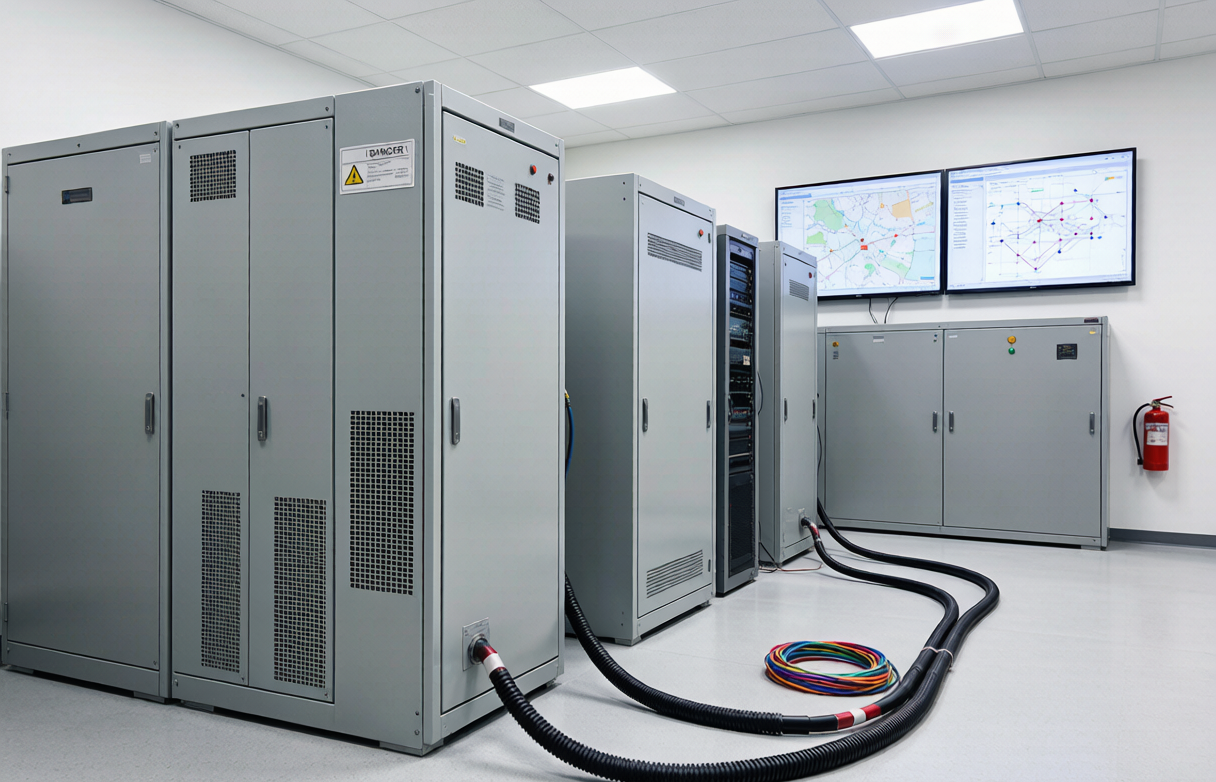
Stonbel announces a capacity upgrade for its eMMC_UFS embedded storage modules, enabling rapid delivery from 8GB to 256GB with expansion lead times over 30% shorter than industry norms. The line supports eMMC 5.1 (JESD84) and UFS 2.1/3.1 (JESD220) standards, operating from -40℃ to 85℃ (UFS up to -40℃ to 105℃), designed for harsh environments like automotive parts inspection, industrial handhelds, and in-vehicle systems. This upgrade ensures clients can scale production without storage supply bottlenecks, leveraging Stonbel's direct supply chain for flexible capacity. Stonbel's storage expertise spans industrial wide-temp SSDs, DDR4/DDR5 memory, and NVMe

Details
In automotive parts visual inspection, equipment processes defect images in -10℃ to 70℃ workshop conditions, demanding high write endurance, temperature resilience, and data throughput. Stonbel's eMMC_UFS modules deliver sequential read/write speeds of 320/260 MB/s (eMMC) and up to 4300 MB/s (UFS), ensuring fast storage and real-time retrieval of production video. The industrial wide-temp design ensures stable operation from -40℃ to 85℃ (UFS to 105℃), reducing read/write errors, boosting defect detection accuracy from 85% to 98%, and cutting maintenance labor by 30%. UFS 2.1/3.1's higher serial bandwidth suits high-performance vision systems with concurrent multi-stream HD video writes, while eMMC offers mature ecosystem and cost benefits for less
Official Insight
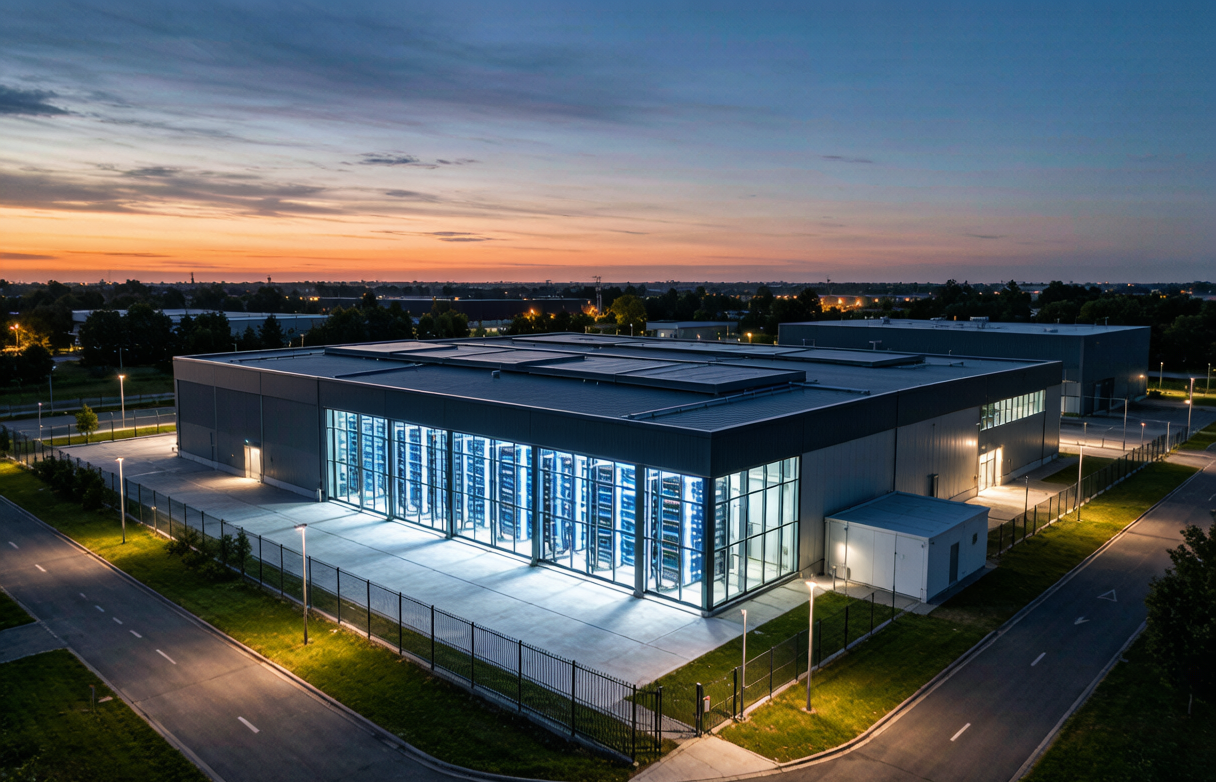
Stonbel states that the expansion lead time relies on three mechanisms: First, the in-house line enables rapid capacity adjustments from 8GB to 256GB without new tooling, with standard inventory cycles at 7 days. Second, strict adherence to eMMC 5.1 and UFS 2.1/3.1 specs, with 3C, CE, FCC, ISO9001, and ISO14001 certifications, ensures compatibility with mainstream controllers, preventing system failures. Third, service points across 31 provinces provide on-site compatibility testing and support, cutting pre-project preparation by over 30%. This is validated in projects like a State Grid provincial dispatch center, where an integrated solution (industrial wide-temp SSDs, DDR5 ECC memory, edge inference servers) compressed delivery
Value Proposition
For smart manufacturing lines, supply stability and expansion flexibility are critical. Stonbel's eMMC_UFS modules offer industrial wide-temp performance and high bandwidth, with direct supply and distributed inventory compressing expansion from the typical 4-8 weeks to under 2 weeks, enabling immediate capacity boosts during peak seasons. Proven in projects like PetroChina oilfield monitoring and State Grid dispatch centers, monthly failure rates drop below 2% and annual storage failures under 0.5%. Stonbel's storage and AI computing services also support intelligent data tiering—hot data on NVMe, warm on SSD, cold on low-cost media—reducing overall storage costs by over 30% while maintaining low latency. For small to mid-sized AI projects, compute leasing options cut upfront hardware costs by over 70%,
Q1: What is the typical expansion lead time for eMMC_UFS embedded storage?
A: Stonbel's in-house line cuts standard expansion to under 2 weeks, versus the industry norm of 4-8 weeks. This is enabled by full 8GB-256GB inventory and mature eMMC 5.1/UFS 2.1/3.1 processes. Clients provide model requirements, and Stonbel schedules production and delivery with on-site service across 31 provinces. Distributed warehouses in East, South, and North China manufacturing hubs shorten logistics, with expedited 7-day delivery for urgent needs. This flexible supply reduces the need for months of advance stocking, lowering inventory costs and supply risks.
Q2: Which is more suitable for industrial use: eMMC or UFS?
A: It depends on performance versus cost. eMMC 5.1 offers 320/260 MB/s sequential speeds, -40~85℃ operation, lower cost, and a mature ecosystem, ideal for mid-range controllers. UFS 2.1/3.1 delivers up to 4300 MB/s with a wider range (-40~105℃), suited for high-bandwidth, high-reliability applications like automotive, surveillance, and industrial vision. Stonbel provides both; for multi-stream HD video, UFS prevents bottlenecks, while eMMC is cost-effective for config/log storage. Stonbel's team offers performance assessments and selection guidance to balance requirements and budget.
Q3: What does industrial wide-temp mean for eMMC_UFS storage?
A: It ensures stable operation from -40℃ to 85℃ (UFS to 105℃), preventing temperature-induced read/write errors or data loss. Stonbel's modules meet industrial wide-temp standards and pass high-temp burn-in tests, supporting 7×24 high-load operation in non-air-conditioned workshops. In extreme environments like western oilfields with 95℃ daily swings, consumer-grade storage fails at 15% monthly, while Stonbel's modules reduce this to under 2%. It also extends lifespan and cuts maintenance costs, critical for outdoor or harsh industrial sites. Optional shock/vibration and dust-proofing further enhance reliability.
Q4: How is compatibility with existing production equipment ensured?
A: Stonbel provides direct compatibility testing. Modules comply with eMMC 5.1 (JESD84) and UFS 2.1/3.1 (JESD220) standards, adapting to mainstream controllers. Clients share device models, and Stonbel conducts on-site tests at 31-province service points for plug-and-play operation, avoiding downtime. Detailed hardware design guides and reference circuits help prevent issues during development. For mass-produced devices, firmware customization optimizes performance for specific controllers. This full service reduces pre-project preparation by over 30%, cutting development costs and time.
The expansion cycle of eMMC/UFS embedded storage directly impacts how quickly business growth can be accommodated. With its own production line, industrial-grade wide-temperature performance, and nationwide service network, Stonbel compresses expansion cycles to under two weeks. High read/write bandwidth (UFS up to 4300 MB/s) and strict standards compliance (eMMC 5.1/UFS 2.1·3.1) help automotive parts manufacturers achieve 98% defect detection accuracy and reduce maintenance labor costs by 30%. Moving forward, Stonbel will deepen storage and AI computing services, integrating industrial wide-temperature SSDs, industrial DDR4/DDR5 memory, and edge AI boxes to deliver reliable, scalable embedded storage solutions for more smart manufacturing scenarios.