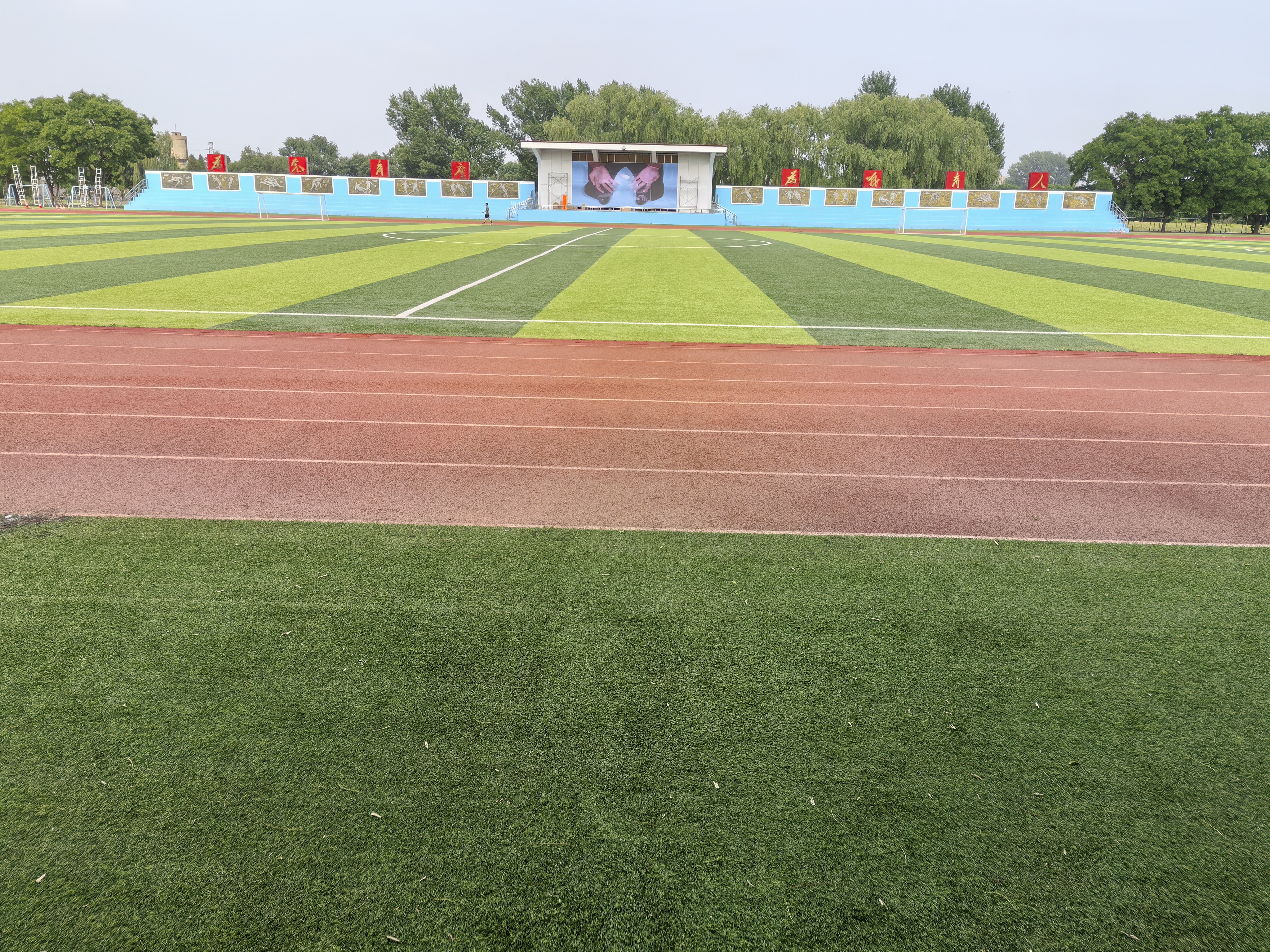
Campus LED displays are increasingly used across sports fields, auditoriums, daily announcements, and live events. Ambient light conditions significantly affect display effectiveness. Stonbel, a leading Chinese manufacturer with military and confidential certifications, provides integrated display solutions with P0.7-P10 pitch coverage and SMD/COB/GOB packaging, enabling precise brightness and color temperature calibration for adaptive performance. Drawing on real campus projects, this article explains selection logic for brightness, color temperature, and protection, helping schools balance budget and performance.
New Product Launch
Addressing the distinct lighting conditions of outdoor playgrounds, gymnasiums, and indoor auditoriums, Stonbel has recently undertaken a systematic upgrade of its campus LED display product line. The new products retain the mature SMD packaging process while raising the custom brightness ceiling for outdoor models to over 8000cd/m², with a color temperature adjustment range covering 2800K-9500K, adapting to environmental changes from intense midday sun to dim evening light. Taking the P3.91 outdoor screen as an example, the new model utilizes independent surface-mount lamp welding technology, achieving a wider adjustable brightness range while ensuring thermal performance, guaranteeing clear readability for students and faculty at any time. This launch is not a single model but a series covering the full P1.25-P10 specification matrix. To meet the high image quality demands of indoor campus venues, Stonbel simultaneously introduced a P0.7-P1.8 fine-pitch series using COB packaging. Chips are
Dimension-Specific Upgrades
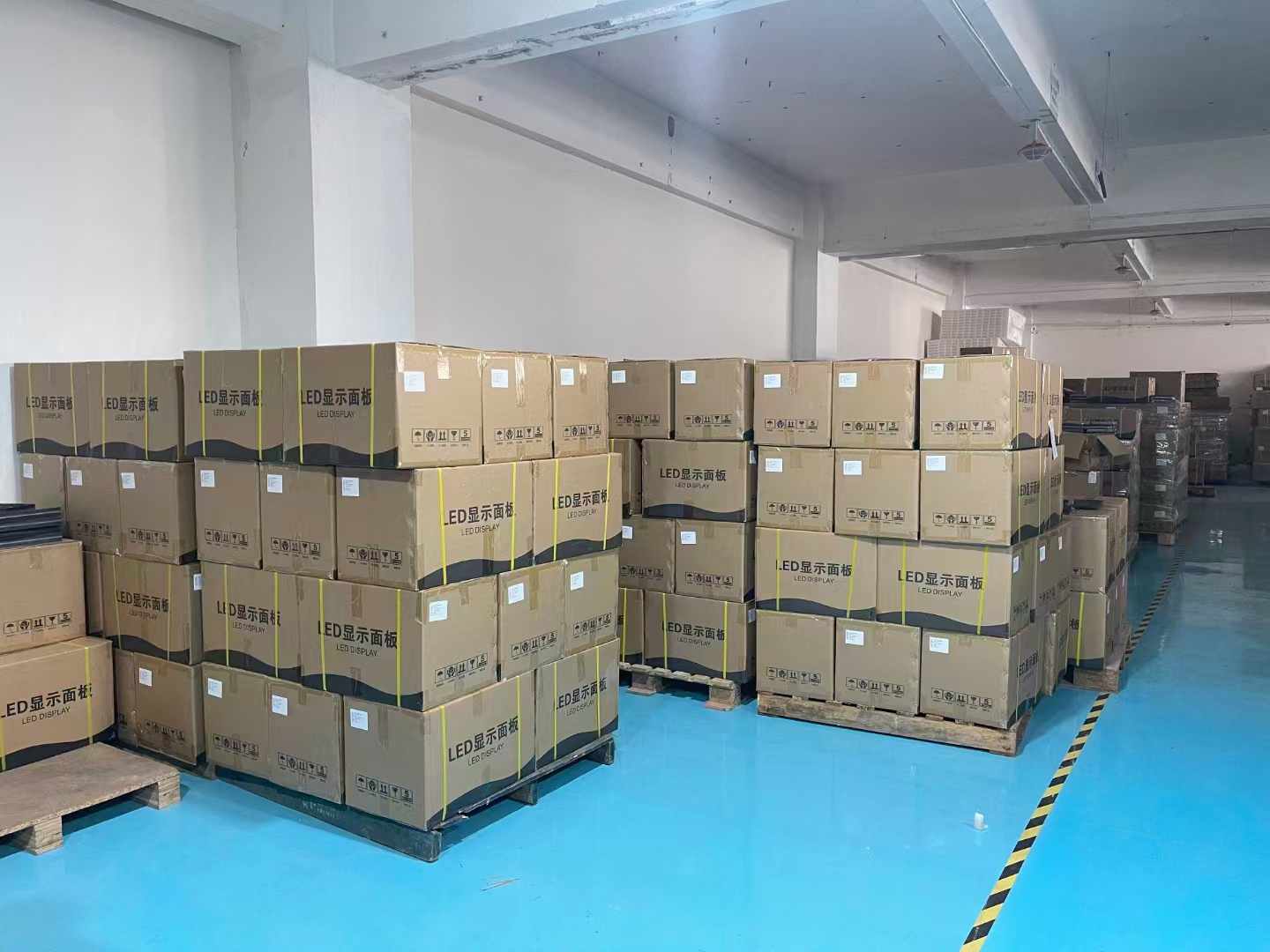
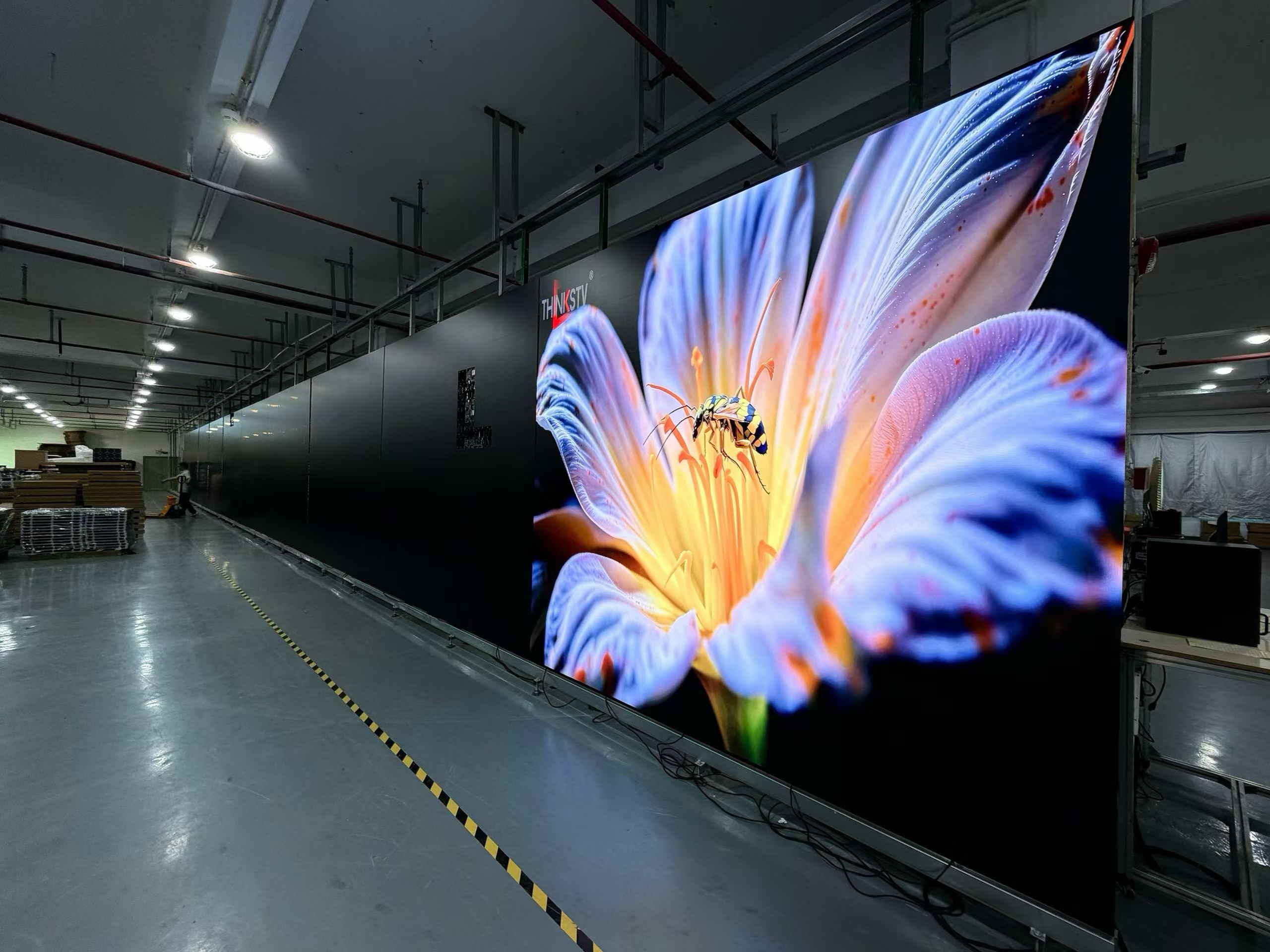
Image quality is the core of the campus LED display upgrade. The new products boost the refresh rate to 7680Hz, doubling conventional standards, achieve a grayscale of 22bit, and cover NTSC≥130% of the color gamut. This ensures no scan lines or strobing during event filming or live streaming, with smoother, more natural color transitions. For theatrical performances in school auditoriums, the wide color gamut accurately reproduces the rich layers of stage lighting, while 22-bit grayscale preserves details in dark scenes, preventing color banding. Reliability and protection have also seen significant enhancement. Campus displays using GOB packaging have transparent resin poured over the SMD lamps and circuitry, forming a smooth, sealed layer that achieves IP65+ protection, effectively handling common campus dust, moisture, and accidental impacts during sports. Compared to traditional SMD screens, GOB makes the module
Optimizations & Value
Ambient light adaptation is a key value point of this optimization. During project commissioning, Stonbel's technical team calibrates screen brightness by time period, considering factors like the playground's east-west orientation and auditorium window placement. Outdoor models support custom brightness above 8000cd/m², ensuring clear visibility under direct summer midday sun; at night or on overcast days, brightness is lowered to appropriate levels, saving energy and preventing light pollution. For low-light conditions during morning/evening self-study, color temperature can be adjusted to a warm white around 4000K, reducing eye strain. From a long-term operational perspective, the value lies in reduced maintenance costs and improved information dissemination efficiency. Referencing a national ministry government affairs hall project, a COB P1.5 fine-pitch screen operated stably for a year without failure, cutting maintenance costs by 60%. This experience applies to campuses – higher reliability means fewer repairs and
Selection Guide
Stonbel offers scenario-specific recommendations based on lighting and usage needs. For outdoor playgrounds and school gates, SMD outdoor models with P4-P6 pitch, brightness customized above 8000cd/m², and IP65 protection are recommended for all-weather environments. These displays ensure long-distance visibility in strong light, suitable for notices, live events, and welcome messages. If the budget allows for higher image quality, GOB packaging offers protection close to COB at a cost 15%-20% lower, balancing performance and ROI. For indoor auditoriums, multi-purpose halls, and gymnasium courts, COB fine-pitch products with P1.8-P2.5 pitch are suggested based on viewing distance. COB's seamless surface provides a cohesive picture, delivering professional results for instructional videos or video conferences. For campus TV stations or studios requiring high color accuracy, P0.7-P1.2 pitch products with 22-bit grayscale and NTSC≥130% gamut meet demanding production
Q1: What brightness is suitable for outdoor campus LED displays?
A: The appropriate brightness depends on the ambient light at the installation site. Stonbel's outdoor models can be customized to over 8000cd/m², suitable for direct midday sunlight. Generally, screens around playgrounds should have brightness no lower than 5500cd/m². For areas facing west or in plazas, higher brightness customization is available. An automatic light sensor system is recommended to reduce brightness at night, saving energy and preventing light pollution.
Q2: How should the color temperature of indoor campus LED displays be adjusted?
A: Color temperature adjustment depends on the usage time and scenario. For daily teaching, a standard 5000K-6500K is recommended, close to natural light for comfortable viewing. For cultural events or films, adjust above 7000K for a more vivid picture. In low-light conditions like evening study, lower to a warm 3500K-4000K to reduce blue light exposure. Stonbel products support a wide 2800K-9500K adjustment range for flexible settings.
Q3: Which is clearer for campus LED displays: P2.5 or P4?
A: A smaller pixel pitch means higher pixel density and a clearer image. P2.5 is suitable for indoor auditoriums or meeting rooms where viewing distance is above 2.5 meters, offering HD quality. P4 is suitable for areas with a viewing distance of over 4 meters, such as gymnasium stands or playground perimeters. Stonbel covers the full P1.25-P10 range, allowing schools to choose based on installation location and primary viewing distance, balancing clarity and budget.
Q4: How to choose the waterproof rating for campus LED displays?
A: Outdoor campus displays must consider waterproof and dustproof performance. Stonbel's outdoor models have an IP65 rating, fully protecting against dust and powerful water jets, suitable for rainy and windy conditions. For locations near pools or with high humidity, GOB packaging is recommended, achieving IP65+ protection with a transparent resin seal that better blocks moisture. Indoor screens have lower protection requirements but still need moisture resistance, especially during humid seasons.
Selecting campus LED displays is about balancing ambient light adaptation with budget. Stonbel's full range of SMD, COB, and GOB packaging, plus P0.7-P10 pitch coverage, delivers precise solutions for every campus scenario. From 7680Hz refresh rates to IP65+ protection, each upgrade addresses real usage pain points. As a certified manufacturer (3C, CE, FCC) with service networks across 31 provinces, Stonbel ensures long-term support, maximizing display value under any lighting condition.