Command centers are core venues for emergency dispatch and data aggregation, where display performance directly impacts decision efficiency and operational safety. COB fine-pitch displays are becoming the mainstream choice for next-generation command systems due to seamless splicing, high refresh rates, and extended lifespan. However, ambient lighting varies significantly across command halls. This article provides systematic reference for selecting and tuning brightness and color temperature, based on Stonbel's manufacturing expertise, project experience, and full-process service capabilities.
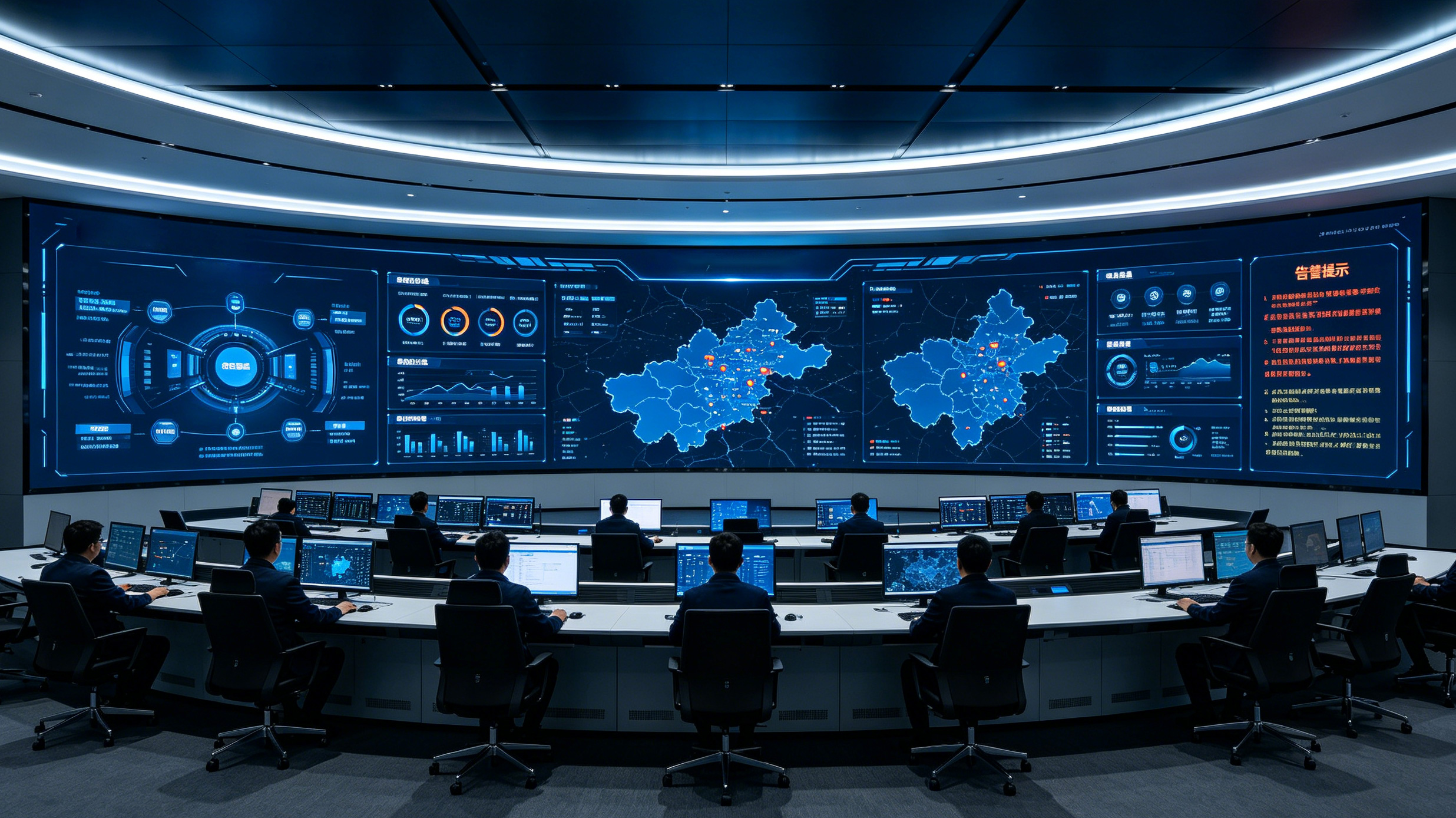
Brightness Selection for Command Center COB Displays: The Logic of Ambient Light Adaptation
Brightness selection for command center COB displays is not about going as high as possible, but about achieving a dynamic balance with on-site ambient light intensity, viewing distance, screen size, and operating hours. Based on Stonbel's years of experience serving government, enterprise, and military projects, brightness decisions should follow these principles: If the command hall has abundant natural light (e.g., side windows or glass curtain walls), products with brightness above 800cd/m² are recommended to counteract ambient light diluting image contrast. For enclosed dark rooms or controlled artificial lighting environments, 300-500cd/m² is sufficient for clear
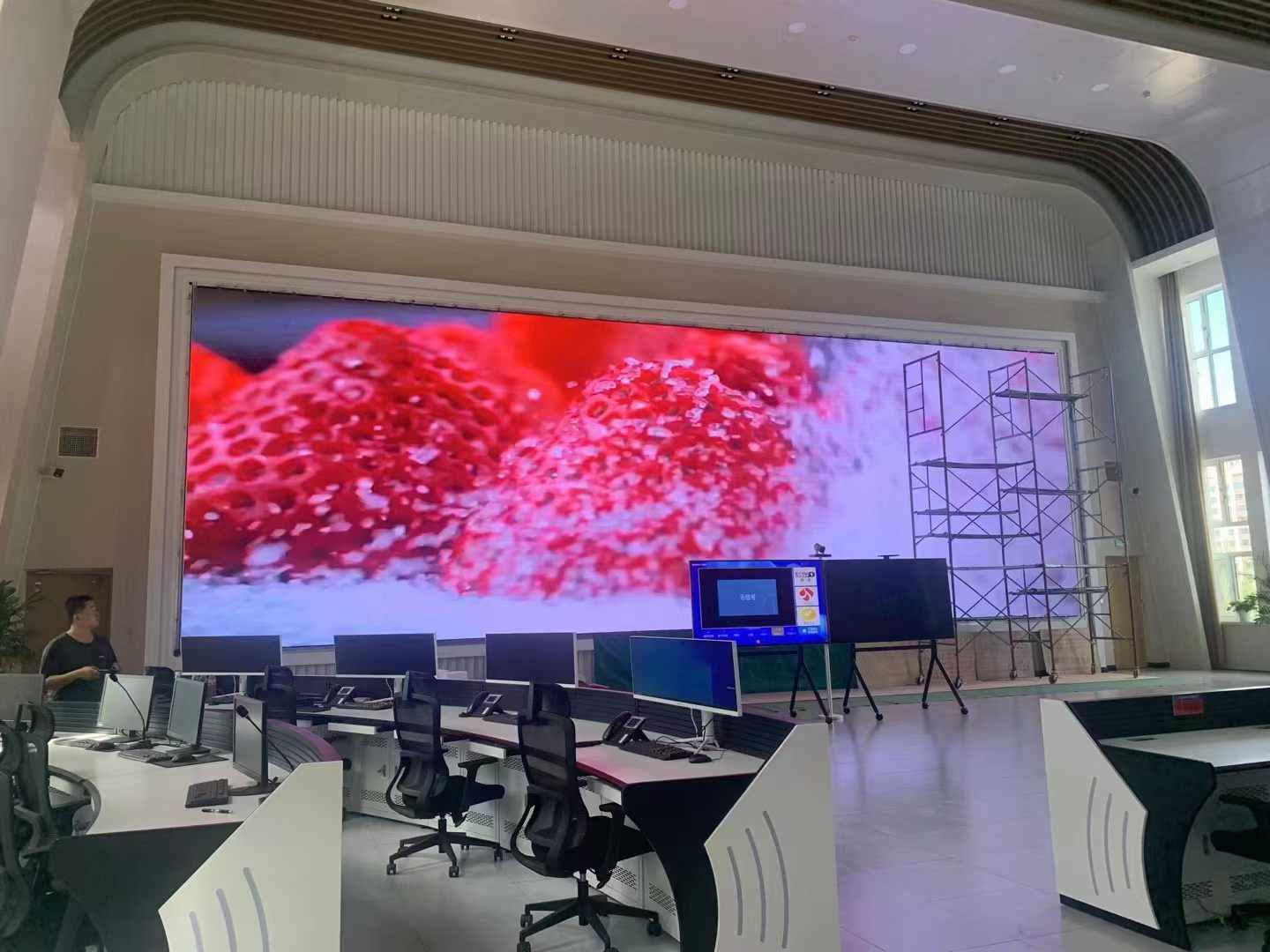
Color Temperature Calibration: Restoring True Colors for Accurate Decision-Making
Color temperature determines the white balance of the display, directly impacting the accuracy of color judgment for operators viewing surveillance feeds, map data, and video conference images. The industry standard for command centers is 6500K (D65 white point), which closely resembles natural daylight and accurately reproduces object colors, especially for security and emergency scenarios requiring precise identification of clothing, vehicle colors, and terrain details. Stonbel command center COB displays support continuous color temperature adjustment from 3000K to 9300K and feature a built-in wide-gamut calibration algorithm, ensuring linear consistency in color saturation and
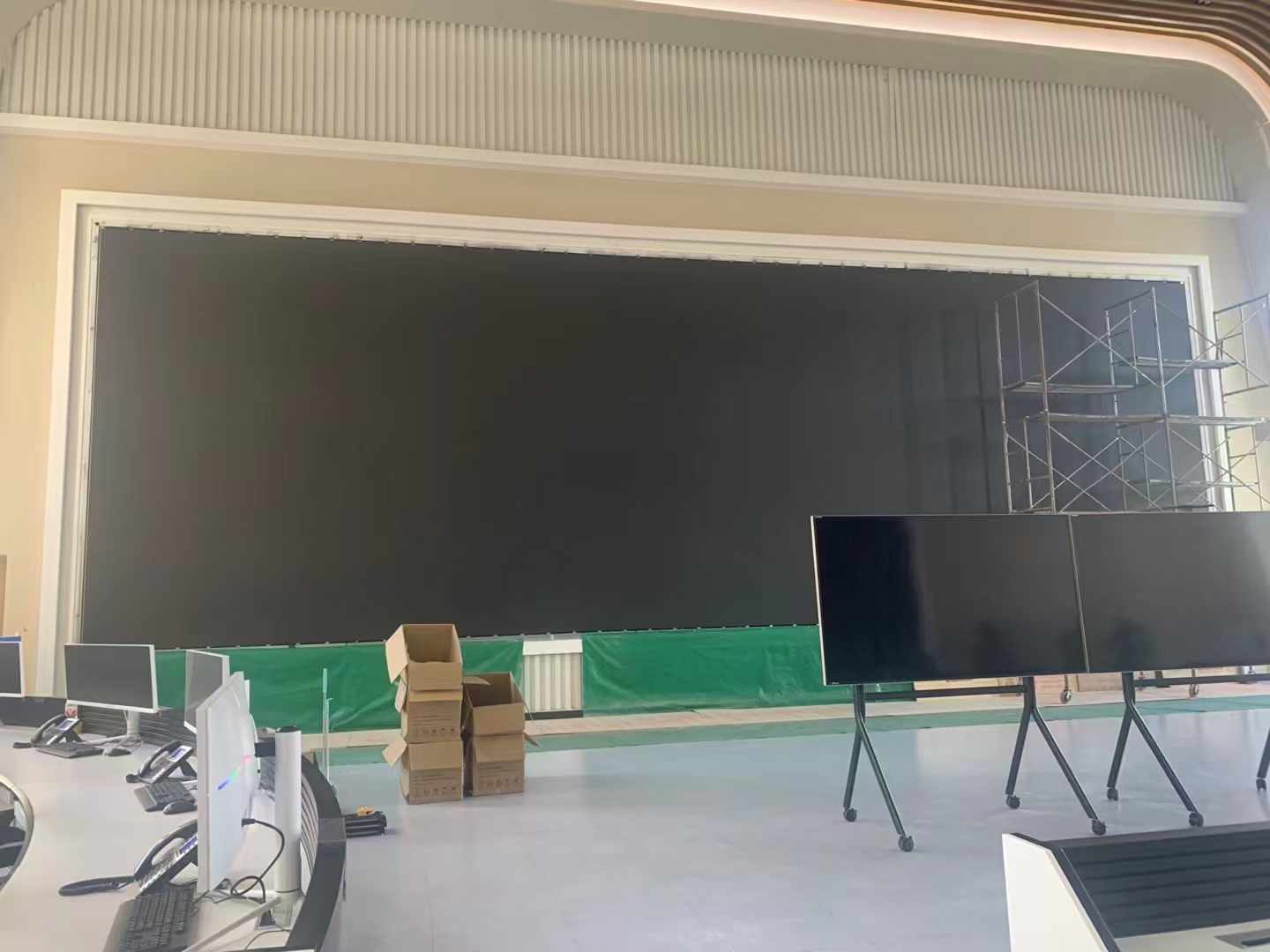
Refresh Rate, Protection Rating, and Core Parameters: Key Indicators for Long-Term Stable Operation
The refresh rate of command center COB displays directly affects dynamic image smoothness and flicker performance when captured by cameras. All Stonbel products feature a 3840Hz ultra-high refresh rate driver solution—twice that of standard 1920Hz displays—completely eliminating flicker, reducing visual fatigue during prolonged viewing, and meeting stringent requirements for no scan lines or moiré patterns in HD camera and smartphone live-streaming scenarios. In the Daqing Oilfield Production Command Center, signals from hundreds of scattered oil extraction stations were integrated, requiring simultaneous display of production data curves, station surveillance
Adaptation Strategies and Case Studies for Complex Ambient Light Environments
Command hall ambient light often involves mixed light sources, reflective glare, and uneven brightness distribution, making display-only adjustments insufficient. Stonbel recommends a three-pronged strategy: 'screen-side adaptation + installation optimization + environmental modification'. First, COB packaging's matte finish and anti-glare coating reduce specular reflection impact on contrast. Second, during installation design, avoid positioning the display directly facing windows or strong light sources; add blackout curtains or adjust screen tilt if necessary. Third, Stonbel's on-site ambient light assessment service uses illuminance meters for multi-point measurements at different times of day (morning, noon, evening) to generate a light distribution report, which
Q1: How should brightness be selected for command center COB displays?
A: Brightness selection depends on the command hall's ambient light intensity, viewing distance, and screen size. Generally, for strong ambient light (e.g., abundant natural light or glass curtain walls), displays with brightness above 800cd/m² are recommended to counteract contrast dilution. For darker environments (e.g., enclosed server rooms or controlled artificial lighting), 300-500cd/m² is sufficient for clear viewing while reducing power consumption and light pollution. All Stonbel command center COB displays feature intelligent adaptive brightness, using built-in ambient light sensors to detect illuminance changes in real-time and automatically adjust to a comfortable range, achieving over 30% energy savings while ensuring
Q2: How does color temperature affect command center display performance?
A: Color temperature determines white balance, affecting color perception and information interpretation accuracy. The industry standard is 6500K (D65 white point), which closely resembles natural daylight and accurately reproduces object colors, suitable for security monitoring and emergency dispatch scenarios requiring precise detail identification. For warm-toned hall lighting (e.g., halogen or warm-white LED), lowering to around 5500K reduces glare. For cool-white LED lighting, raising to 7500K-9300K enhances sharpness and layering. Stonbel command center COB displays support continuous adjustment from 3000K to 9300K with a built-in wide-gamut calibration algorithm, ensuring linear consistency in saturation and grayscale at any setting.
Q3: What refresh rate is suitable for command center COB displays?
A: Refresh rate directly impacts image smoothness and camera flicker performance. For command centers, 3840Hz high refresh rate products are recommended, such as Stonbel command center COB displays. 3840Hz is twice that of standard displays (1920Hz), completely eliminating flicker, reducing fatigue during prolonged viewing, and meeting stringent requirements for no scan lines or moiré patterns in HD camera and smartphone live-streaming scenarios. For broadcast or XR virtual production, Stonbel offers a 7680Hz ultra-high refresh rate customization option for flicker-free cinematic capture. Lower refresh rates cause ghosting and tearing when displaying fast-moving content (e.g.,
Q4: How can display visibility be ensured in complex ambient light environments?
A: Stonbel command center COB displays feature intelligent adaptive brightness and anti-glare design, automatically adjusting brightness based on ambient light and using COB packaging's matte finish to reduce reflective interference, maintaining high contrast even in strong light. During installation design, avoid positioning the display directly facing windows or strong light sources; add blackout curtains or adjust screen tilt if necessary. Stonbel provides on-site ambient light assessment services, using illuminance meters for multi-point measurements at different times of day to generate a light distribution report, which informs
Selecting brightness and color temperature for command center COB displays requires systematic consideration of environmental optics, ergonomics, and display technology. Stonbel, a top-10 Chinese LED display manufacturer with military-grade confidentiality certification and 3C/CE/FCC/ISO approvals, offers P0.7-P1.8 COB products with factory-direct pricing, bid support, 9-day production lead time, and lifetime after-sales service. With 31 provincial service points and proven deployments from Daqing Oilfield to Suzhou Broadcasting XR studio, Stonbel empowers integrators to deliver reliable projects with higher win rates and customer value.